


Торговые площадки от игрока к игроку: создание внутриигровой экономики, способствующей удержанию клиентов
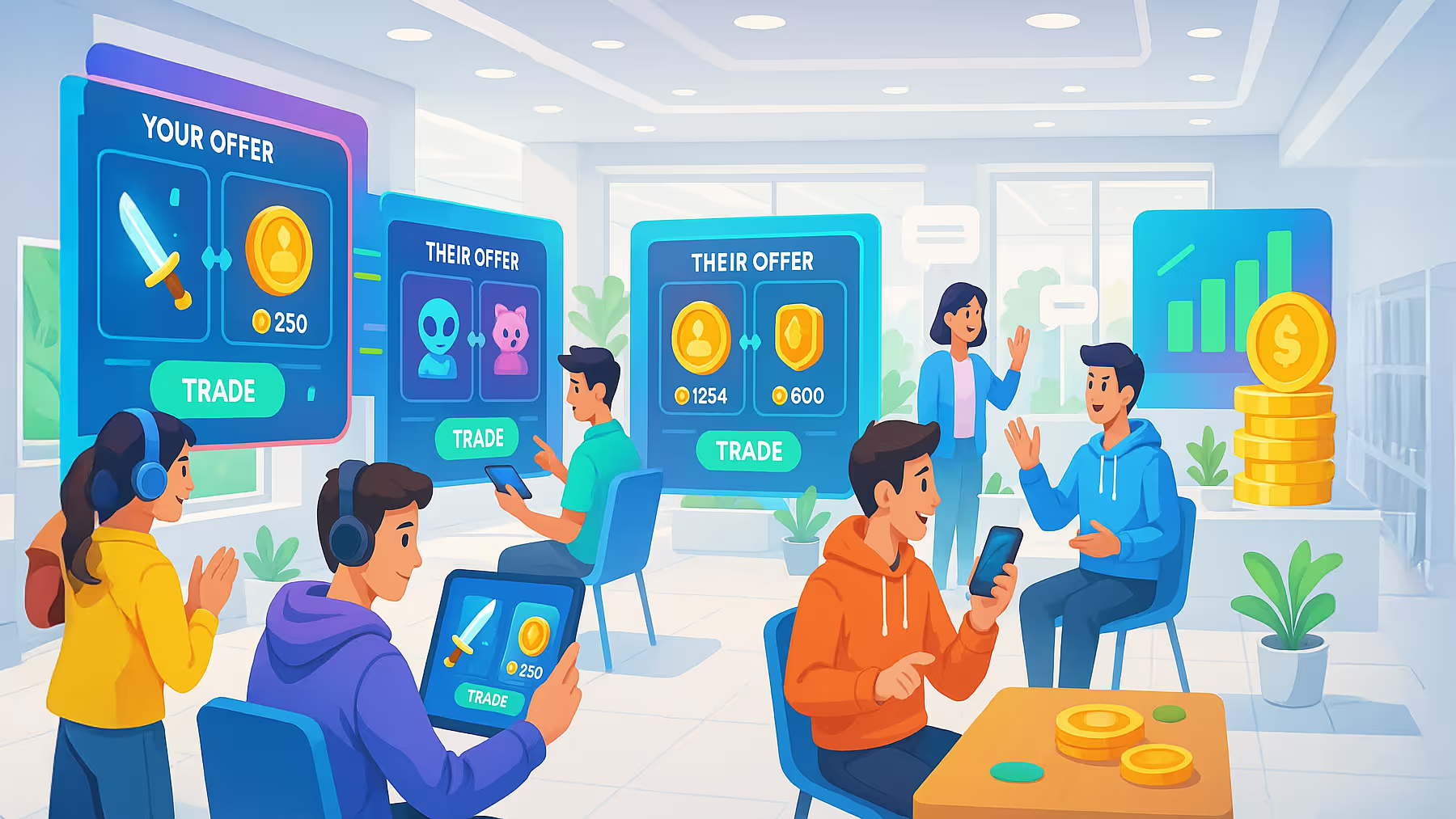
Помните, как вы потратили сотни часов на поиск легендарного меча в своей любимой онлайн-игре и поняли, что он вам не принадлежит? Эти дни сочтены. Игровой мир переживает кардинальные изменения по мере изменения торговых площадок от игрока к игроку виртуальные приключения в заманчивые экономические возможности, где игроки могут владеть своими цифровыми достижениями, торговать ими и получать прибыль от них.
Эта трансформация выходит за рамки простой торговли товарами. Современные торговые площадки между игроками создают взаимосвязанные экосистемы, в которых каждый виртуальный актив имеет реальную ценность, взаимодействие с каждым игроком способствует вовлечению, а каждая связь с сообществом способствует удержанию клиентов. Когда игроки действительно владеют своими цифровыми активами, они вкладывают больше времени, денег и эмоциональной энергии в любимые игры.
Экономика истинного цифрового владения
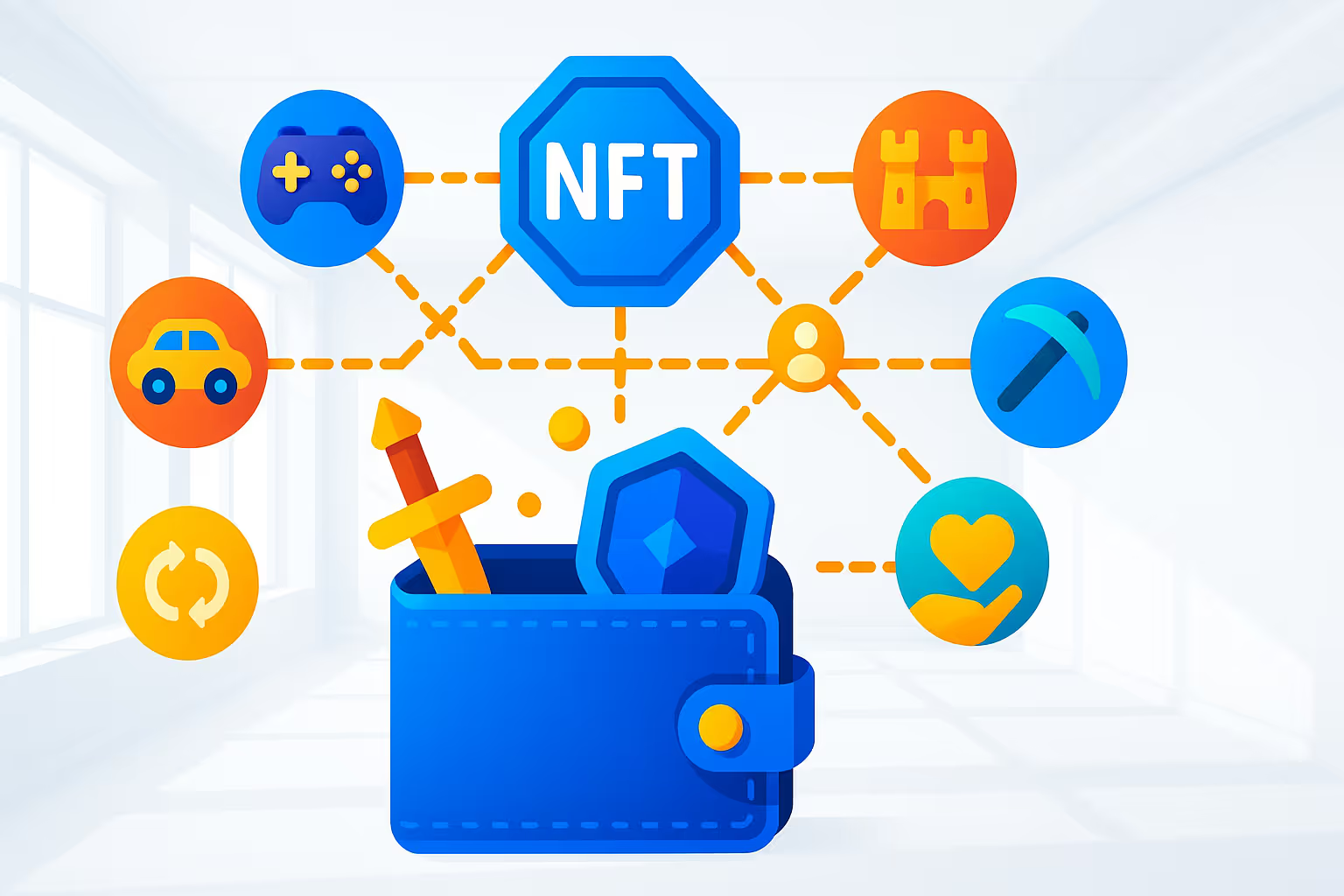
Традиционная игровая модель загоняла игроков в огороженных садах, где их достижения исчезали, когда они переставали играть. Технологии Web3 и NFT меняют эту фундаментальную динамику, обеспечивая проверяемое владение цифровыми активами с помощью технологии блокчейн. Когда у игрока есть NFT, изображающий его внутриигрового персонажа или редкое оружие, этот актив существует независимо от какого-либо отдельного игрового сервера.
Такая структура собственности создает мощные психологические триггеры, повышающие вовлеченность. Согласно исследование показало, что в играх на основе блокчейна с интеграцией NFT коэффициент удержания игроков на 200% выше, чем в традиционных играх. Причина проста: игроки ведут себя по-разному, когда у них есть что-то ценное, а когда они просто берут его взаймы.
Подумайте о волновых последствиях этого изменения. Игроки, владеющие цифровыми активами, естественно, вкладывают больше средств в успех игры. Они активнее участвуют в обсуждениях в сообществе, делятся отзывами с разработчиками и вербуют друзей в свою игровую экосистему. Такое органическое взаимодействие создает самоусиливающийся цикл, в котором владение игроками способствует росту сообщества, что, в свою очередь, повышает стоимость активов и привлекает больше игроков.
Экономические последствия выходят за рамки отдельных игр. Кроссплатформенная совместимость позволяет игрокам использовать свои активы в нескольких совместимых играх, создавая общую экономику, выходящую за рамки традиционных игровых границ. Образ персонажа, полученный в одной игре, может открыть специальные способности в другой игре, а виртуальное оружие можно будет использовать в качестве трофея во всей игровой сети.
Создание процветающих рыночных сообществ
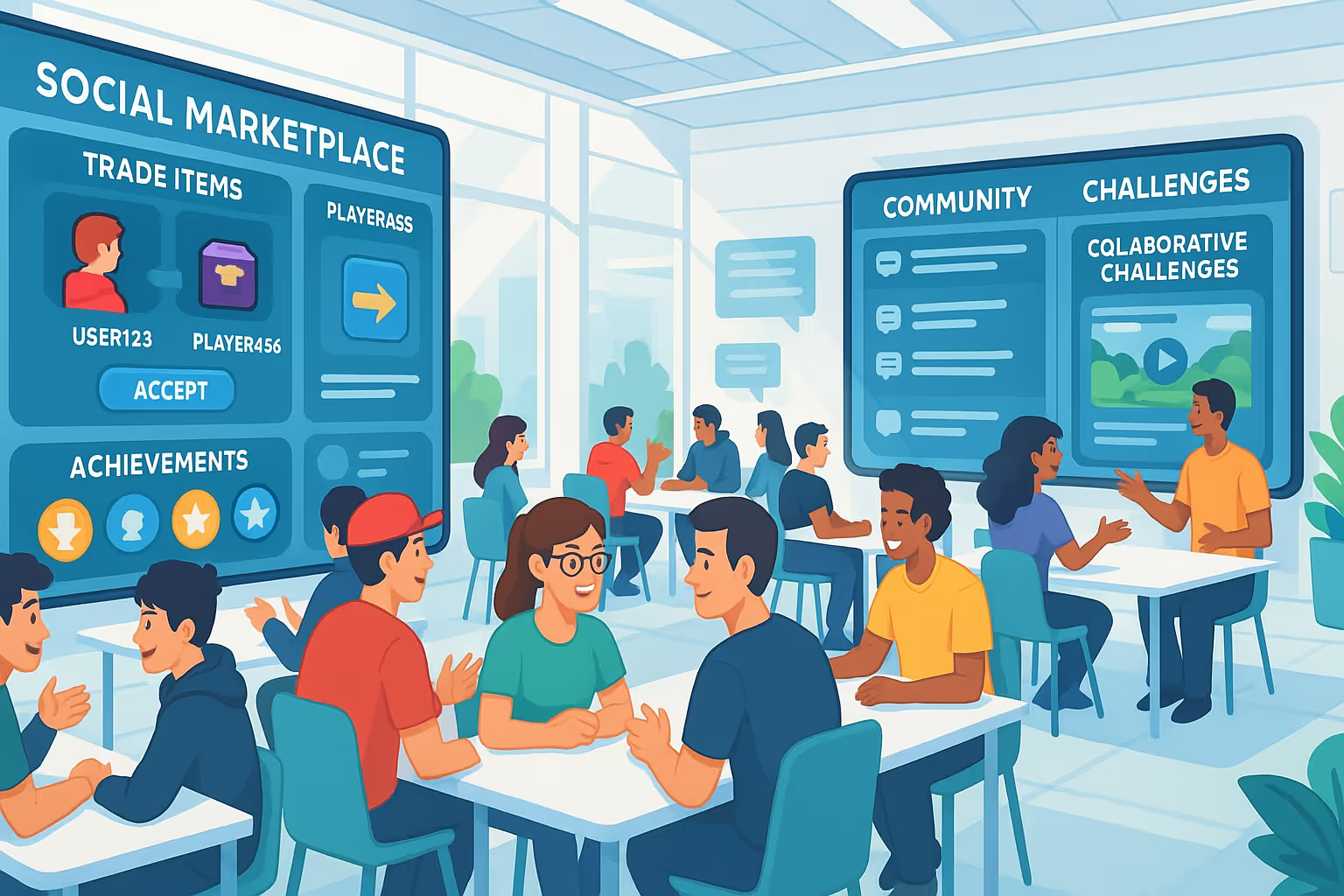
Торговые площадки от игрока к игроку преуспевают, когда они становятся социальными центрами, где экономическая активность и взаимодействие с сообществом естественным образом пересекаются. Самые успешные платформы интегрируют социальные функции, такие как форумы, чаты и совместные мероприятия, непосредственно в свои торговые интерфейсы. Эта интеграция превращает транзакции, которые могут оказаться бесплодными, в опыт сообщества.
Умный дизайн торговой площадки способствует формированию органического сообщества с помощью нескольких механизмов. Системы репутации помогают игрокам находить надежных торговых партнеров и одновременно повышать социальный статус в сообществе. Совместные задачи, требующие от игроков объединения различных активов, создают взаимозависимость, укрепляющую социальные связи. Системы достижений, учитывающие как индивидуальные достижения, так и вклад сообщества, поощряют участие на разных уровнях.
{{cta-баннер}}
Психология успешных игр сообщества раскрывают, почему интеграция рынков работает так эффективно. Игроки, которые чувствуют себя частью сообщества, значительно реже бросают игру. Когда экономическая деятельность становится социальным опытом, она подкрепляет как финансовые, так и эмоциональные вложения, которые способствуют долгосрочному удержанию персонала.
Создание контента под руководством сообщества усиливает эти эффекты. Создаваемый пользователями контент позволяет игрокам создавать и делиться своими впечатлениями от игры, повышая ценность повторов и вкладывая личные средства. Когда игроки могут монетизировать свой творческий потенциал с помощью торговых площадок NFT, они становятся заинтересованными сторонами игровой экосистемы, а не просто потребителями контента, созданного разработчиками.
Интеграция CRM: мост между коммерцией и сообществом
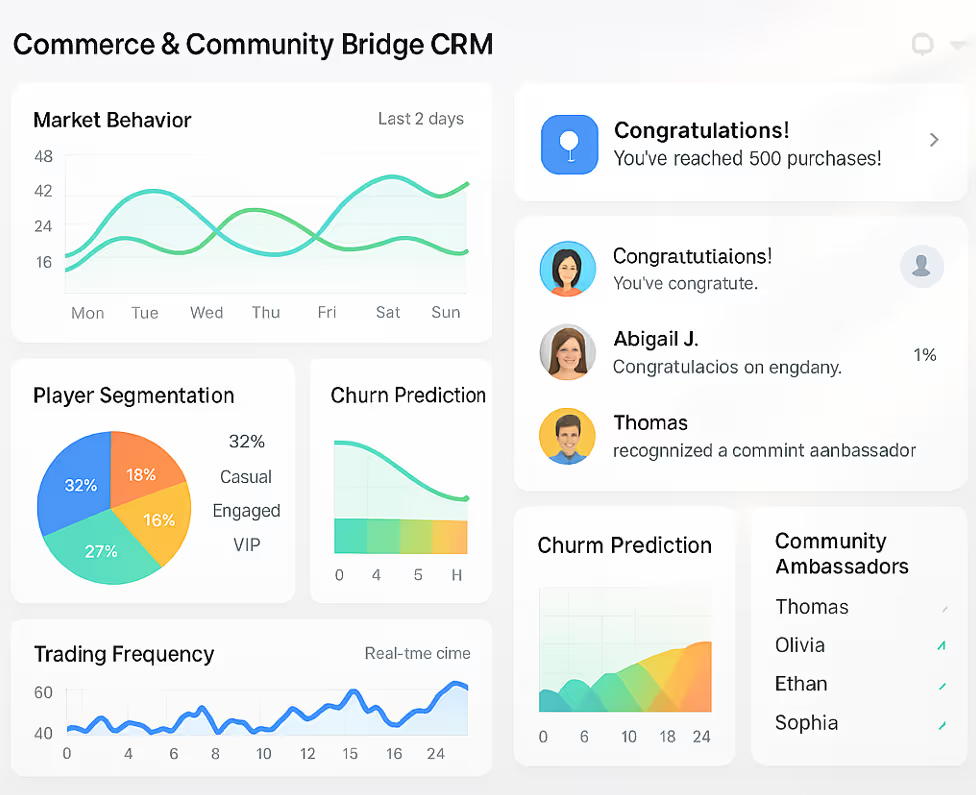
Современные CRM-системы разработанные для игровых сред, понимают, что торговые площадки от игрока к игроку генерируют огромное количество ценных поведенческих данных. Каждая сделка, ставка и социальное взаимодействие раскрывают предпочтения игроков, структуру расходов и отношения с сообществом, которые могут лечь в основу стратегий персонализации.
Интеграция рыночных данных с CRM-системами обеспечивает сложную сегментацию игроков на основе экономического поведения. Стратегии привлечения высокоценных трейдеров отличаются от стратегий привлечения обычных игроков. Социальные коннекторы, способствующие взаимодействию с сообществом, получают поощрительные награды, поощряющие дальнейшее развитие сообщества. Игроки, которым грозит отток игроков из-за снижения активности на рынке, проводятся целенаправленные кампании по удержанию игроков.
Отслеживание поведения в реальном времени позволяет CRM-системам немедленно реагировать на события на рынке. Когда игрок совершает первую успешную сделку, автоматизированные рабочие процессы могут отправлять поздравительные сообщения и обучающие материалы о передовых торговых стратегиях. Игроки, которые постоянно помогают новичкам, могут получить признание от послов сообщества. Благодаря таким персонализированным ответам игроки чувствуют, что их видят и ценят игровое сообщество.
Богатство данных о взаимодействиях на рынках позволяет проводить прогнозную аналитику, с которой невозможно сравниться с традиционными игровыми метриками. CRM-системы позволяют выявлять потенциальные риски оттока клиентов, анализируя изменения в частоте торгов, структуре портфеля активов и моделях социального взаимодействия. Эта система раннего предупреждения позволяет операторам вмешиваться в целевые кампании по удержанию персонала до того, как ценные игроки уйдут из игры.
Механика геймификации, способствующая вовлечению рынка
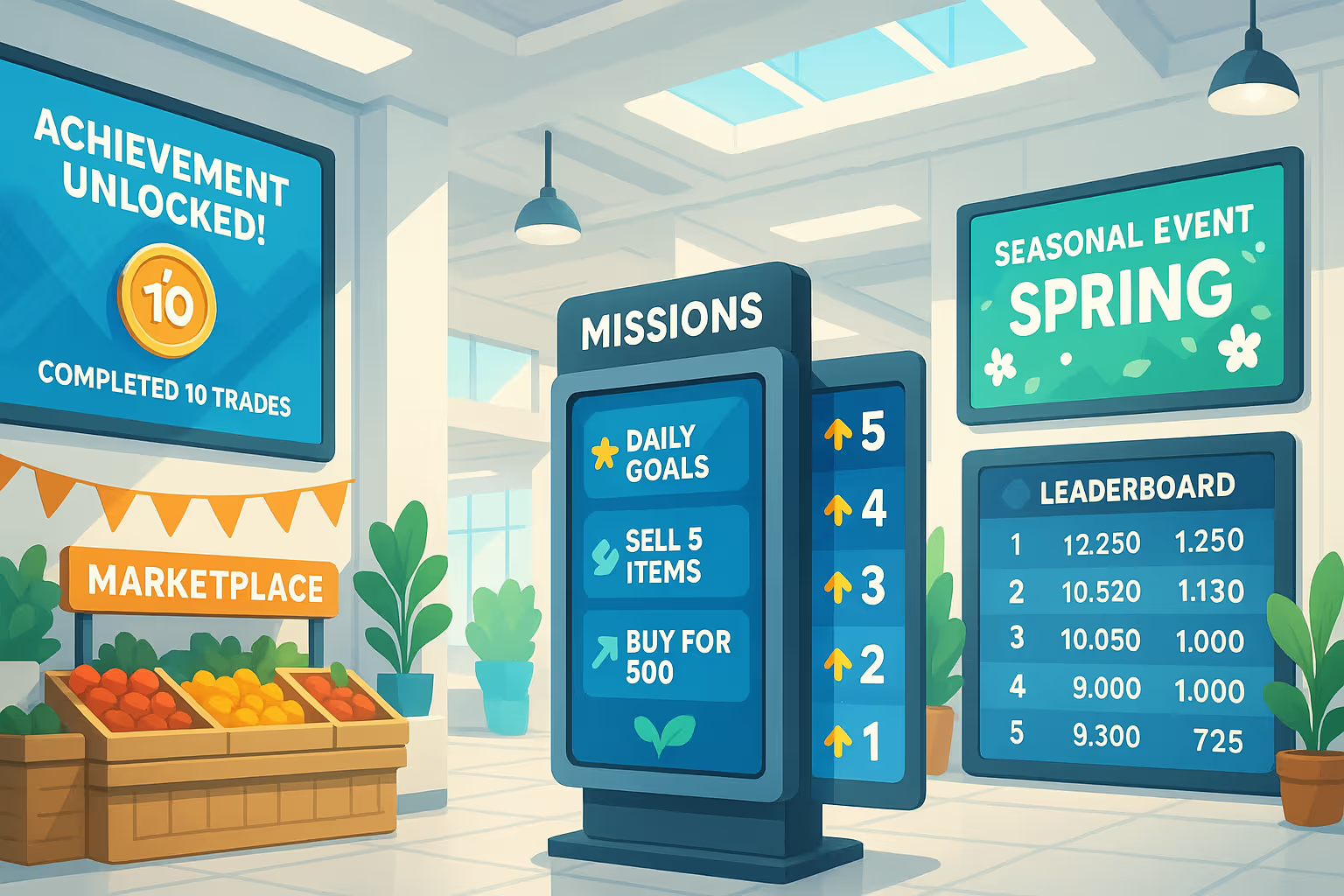
Эффективные торговые площадки от игрока к игроку выходят за рамки простых покупок и продаж и включают элементы геймификации, благодаря которым экономическая деятельность становится похожей на геймплей. Системы достижений поощряют достижения в торговле, диверсификацию портфеля и участие в сообществе. Таблицы лидеров создают условия для дружеской конкуренции за успешную торговлю, сбор средств и участие сообщества.
Динамичные миссии и задачи стимулируют специфическое поведение рынка, приносящее пользу всей экосистеме. Мероприятия, проводимые ограниченным по времени, могут поощрить игроков за торговлю с новичками и способствовать интеграции новых игроков в сообщество маркетплейсов. Сезонные соревнования могут быть направлены на сбор тематических наборов активов, стимулирование спроса на определенные категории товаров и достижение общих целей сообщества.
Ключ к успешная геймификация заключается в обеспечении баланса между индивидуальными достижениями и общественной выгодой. Игроки должны чувствовать себя вознагражденными за свой личный успех, понимая при этом, что их действия способствуют процветанию рынка, приносящему пользу всем. Такое сочетание создает позитивные обратные связи, благодаря которым индивидуальное участие укрепляет всю экосистему.
Системы развития, охватывающие как игровой процесс, так и активность на рынке, создают единые пути развития. Игроки могут получить новые торговые привилегии, достигнув определенных игровых этапов, или получить доступ к эксклюзивному игровому контенту, добившись достижений на рынке. Благодаря такой интеграции участие в экономической жизни становится естественным продолжением игрового процесса, а не отдельным видом деятельности.
Психология дефицита цифровых технологий и создания стоимости
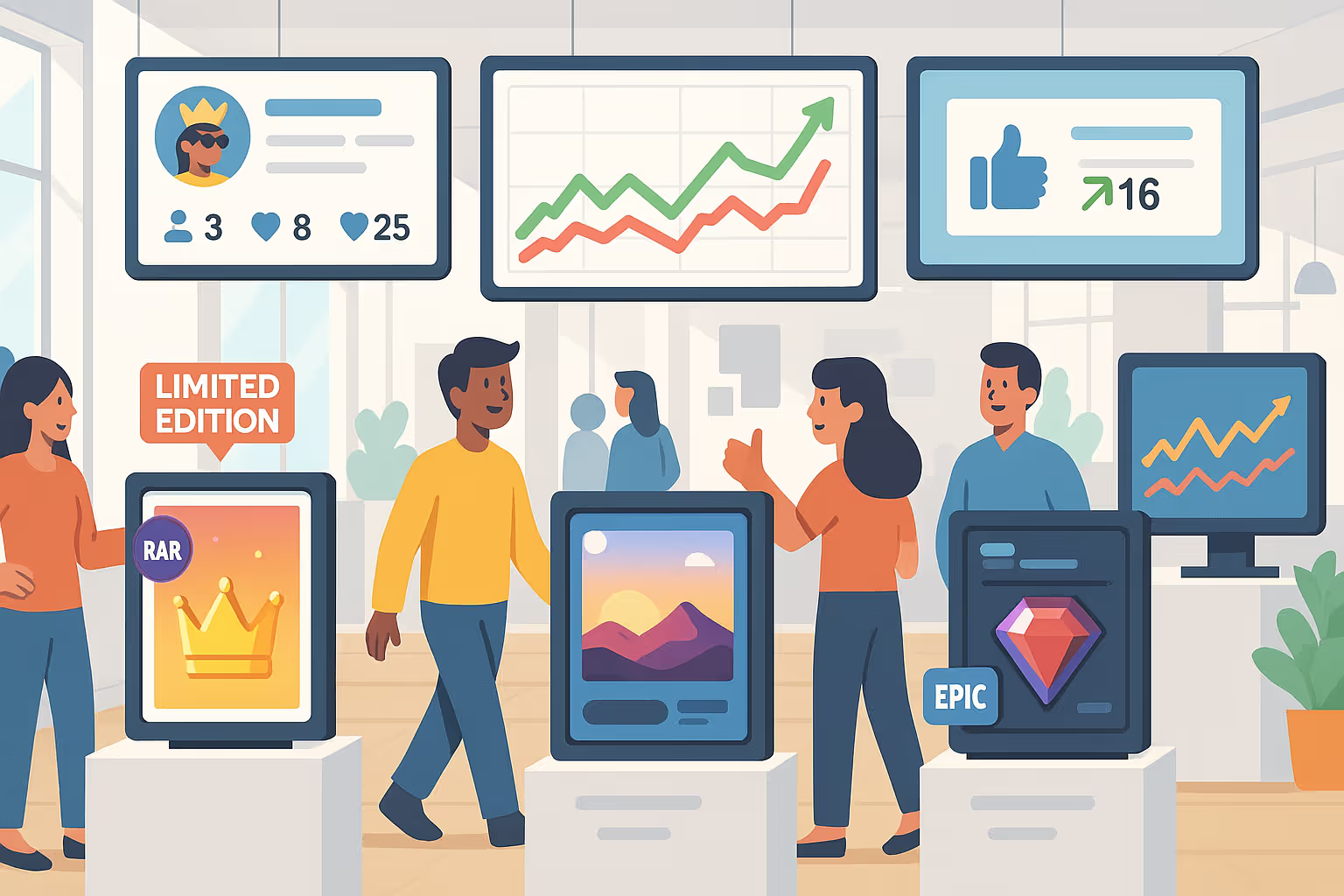
Торговые площадки от игрока к игроку основываются на фундаментальных психологических принципах дефицита, статуса и социальных доказательств для создания устойчивых систем ценностей. Активы, выпущенные ограниченным тиражом, вызывают интерес и вызывают интерес, что стимулирует как первоначальные продажи, так и долгосрочную торговую активность. Когда игроки знают, что существует всего 100 экземпляров специального предмета, владение им становится отличительным признаком сообщества.
Видимая природа владения цифровыми активами усиливает эти психологические эффекты. В отличие от традиционных игр, где редкие предметы можно увидеть только во время игры, материалы на основе NFT можно отображать в социальных сетях, форумах сообщества и профилях игроков. Благодаря такой популярности редкие цифровые активы превращаются в статусные символы, которые игроки охотно ищут и демонстрируют.
Механизмы социального доказательства на торговых площадках укрепляют ценностное восприятие за счет одобрения со стороны сообщества. Рейтинги игроков, функции витрин и системы голосования в сообществе помогают определить, какие активы наиболее востребованы. Эти социальные сигналы определяют активность на рынке и помогают начинающим игрокам понять систему ценностей сообщества.
Эволюция предпочтения игроков со временем создают динамичные рыночные экосистемы, в которых стоимость активов колеблется в зависимости от настроений сообщества, обновлений игр и внешних тенденций. Такая волатильность добавляет инвестиционный аспект участию в рынке, что привлекает игроков, которым нравятся рыночные спекуляции, а также традиционный геймплей.
Кроссплатформенная интеграция и универсальная переносимость активов

Следующая эволюция торговых площадок от игрока к игроку предполагает устранение барьеров между отдельными играми и платформами. Универсальная портативность активов позволяет игрокам использовать свои цифровые активы в нескольких совместимых играх, создавая общую экономику, повышающую полезность и ценность каждого предмета.
Такая совместимость создает сетевые эффекты, когда ценность участия возрастает по мере увеличения количества подключенных платформ. Редкий скин персонажа становится более ценным, если его можно использовать в пяти разных играх, а не в одной. Игроки вкладывают больше средств в свои портфели цифровых активов, когда эти активы приносят пользу на протяжении всего игрового процесса.
Технические стандарты и партнерские отношения между игровыми платформами делают это видение все более практичным. Технология блокчейн обеспечивает инфраструктуру для безопасной и проверяемой передачи активов между различными игровыми средами. Смарт-контракты позволяют автоматически изменять свойства активов в зависимости от конкретного игрового контекста, сохраняя при этом непрерывность владения.
Последствия для удержание игроков значительны. Когда цифровые активы выходят за рамки отдельных игр, игроки сохраняют свою ценность, даже если они снижают активность в определенных играх. Это снижает психологический барьер, мешающий пробовать новые игры, и в то же время повышает общую ценность участия в сетевой экосистеме.
Оптимизация рынка на основе данных

Успешные торговые площадки от игрока к игроку постоянно развиваются на основе данных о поведении игроков и отзывов сообщества. Аналитические системы отслеживают торговые модели, динамику цен и социальные взаимодействия для выявления возможностей оптимизации и новых тенденций.
Алгоритмы машинного обучения позволяют прогнозировать колебания спроса, выявлять потенциальные манипуляции рынком и предлагать улучшения рынка на основе моделей поведения игроков. Эти данные позволяют динамически корректировать рыночную механику, структуру оплаты и рекламные кампании, поддерживая здоровую экономическую активность.
Фреймворки для A/B-тестирования позвольте операторам торговых площадок экспериментировать с различными функциями и механизмами для оптимизации вовлеченности и удержания клиентов. При тестировании можно сравнить различные форматы аукционов, оценить влияние различных элементов геймификации или оценить эффективность различных функций сообщества.
Интеграция отзывов сообщества обеспечивает соответствие эволюции рынка предпочтениям и потребностям игроков. Регулярные опросы, фокус-группы и форумы сообщества предоставляют качественную информацию, дополняющую количественную аналитику. Такой двойной подход гарантирует, что изменения на рынке улучшают, а не ухудшают впечатления игроков.
Безопасность, доверие и предотвращение мошенничества

Торговым площадкам «от игрока к игроку» требуются надежные системы безопасности для поддержания доверия сообщества и защиты ценных цифровых активов. Технология блокчейн обеспечивает безопасность транзакций и неизменяемые записи о собственности, но для комплексного предотвращения мошенничества необходимы дополнительные уровни защиты.
Системы проверки личности помогают установить доверие между торговыми партнерами, защищая при этом от захвата счетов и мошеннических транзакций. Многофакторная аутентификация, снятие отпечатков пальцев с устройств и поведенческий анализ позволяют идентифицировать законных пользователей и выявлять подозрительные действия.
Механизмы разрешения споров справедливо и эффективно разрешают конфликты между торговыми партнерами. Автоматизированные системы могут разрешать простые споры на основе записей транзакций и правил платформы. В более сложных случаях требуется человеческое посредничество, подкрепленное подробными историями транзакций и журналами сообщений.
Системы репутации, основанные на сообществах, создают социальные стимулы для честного поведения и облегчают игрокам поиск надежных торговых партнеров. Отзывы общественности, прозрачность торговой истории и поддержка сообщества помогают завоевать доверие в экосистеме рынка.
Будущие тенденции и новые возможности
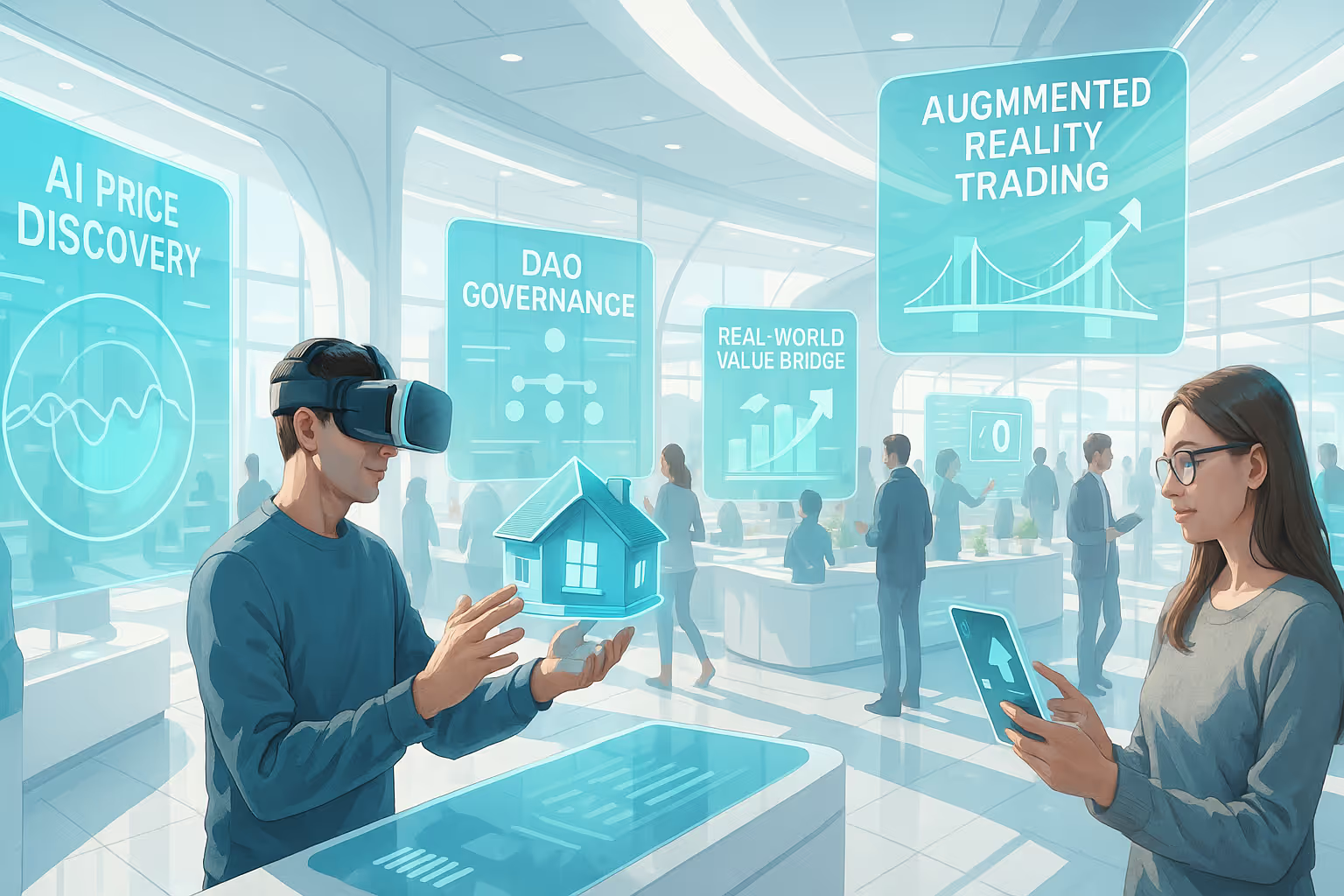
Эволюция торговых площадок от игрока к игроку продолжает ускоряться по мере того, как новые технологии а ожидания игроков стимулируют инновации. Интеграция искусственного интеллекта позволит более тщательно выявлять цены, автоматизировать торговые стратегии и персонализировать рынок.
Технологии виртуальной и дополненной реальности создадут иммерсивную торговую среду, в которой игроки смогут взаимодействовать с цифровыми активами в трехмерном пространстве. Такой опыт может превратить оценку активов и социальную торговлю в увлекательные занятия, напоминающие геймплей, а не коммерцию.
Децентрализованные автономные организации (DAO) могут позволить сообществу управлять правилами рынка, структурами оплаты и процессами разрешения споров. Владение игроками может распространяться не только на отдельные активы, но и на права управления платформами, на которых они торгуют.
Интеграция реальных мостов стоимости позволит игрокам беспрепятственно конвертировать цифровые активы в традиционные валюты или физические товары. Такое сочетание виртуальной и реальной экономики может привлечь новую аудиторию и одновременно повысить воспринимаемую стоимость владения цифровыми активами.
Smartico.ai: поддержка торговых площадок для игроков нового поколения
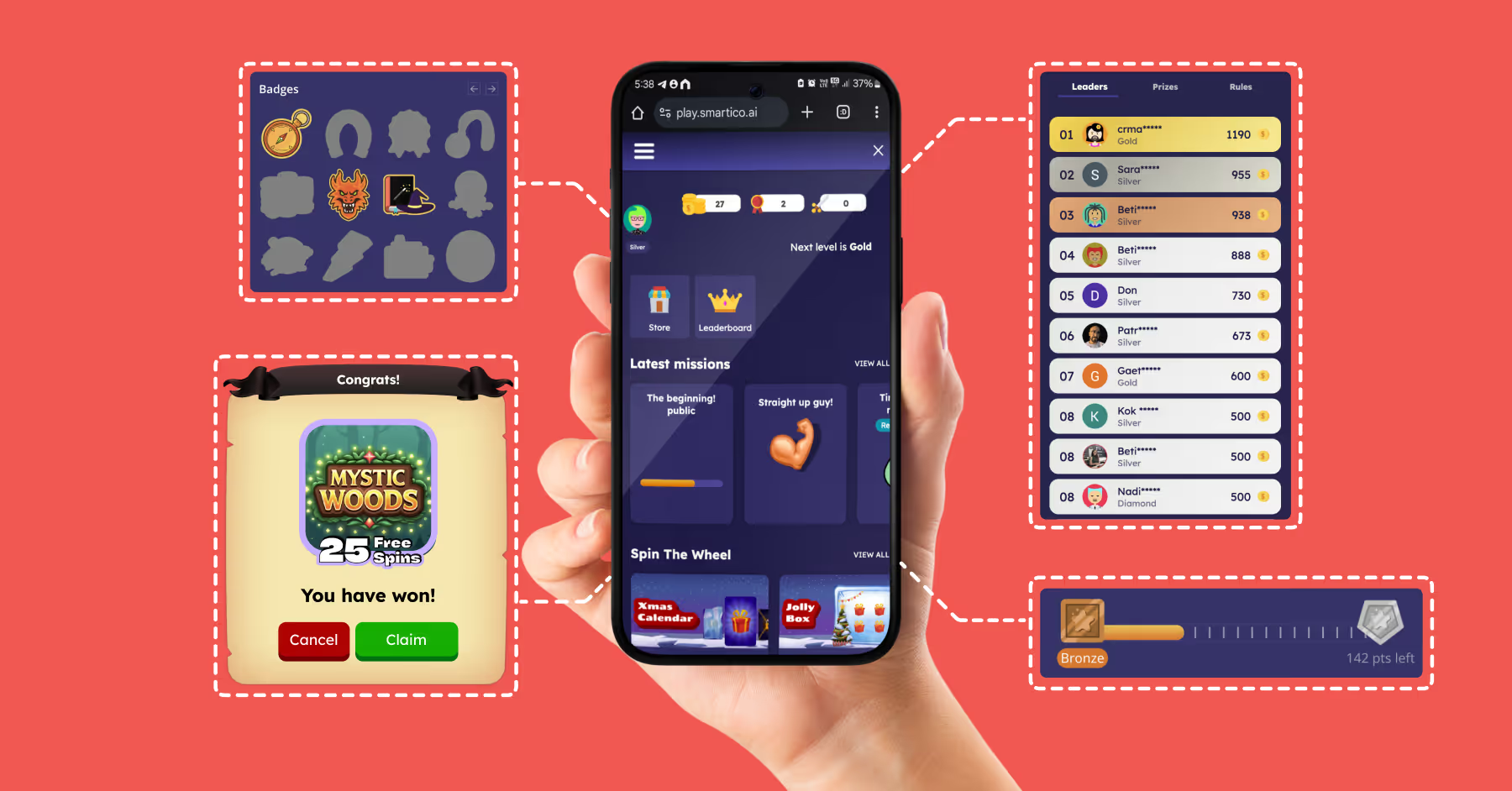
Сложность управления торговыми площадками от игрока к игроку при сохранении высокого уровня вовлеченности требует сложных технологических платформ, способных работать на стыке торговли, сообщества и геймификации. Smartico.ai представляет собой эволюцию управления взаимоотношениями с клиентами в игровой индустрии, предоставляя унифицированную инфраструктуру, необходимую для создания процветающих рыночных экосистем.
Основанная в 2019 году, Smartico.ai сочетает в себе передовые технологии Автоматизация CRM с комплексным инструменты геймификации специально разработанный для индустрии iGaming. Платформа обрабатывает поведенческие данные в режиме реального времени, полученные в результате взаимодействия с рынком, игровых сессий и взаимодействия с сообществом, чтобы персонализировать путешествия игроков, которые принесут максимум удовольствия и принесут максимальную пользу на всю жизнь.
Что делает Smartico.ai особенно мощным средством для игровых сред, ориентированных на рынок, так это его способность объединять традиционно отдельные системы. Вместо управления рыночными данными, коммуникациями с игроками и механизмами геймификации на разных платформах операторы могут организовать полноценное взаимодействие с игроками с помощью единого интерфейса. Такая интеграция позволяет проводить сложные межканальные кампании, в рамках которых в ответ на активность на рынке предлагаются целевые игровые стимулы или поощряются участие сообщества эксклюзивными торговыми привилегиями.
Платформы На базе искусственного интеллекта Аналитический движок обрабатывает сложные поведенческие сигналы, генерируемые торговыми площадками от игрока к игроку, для определения возможностей взаимодействия, прогнозирования рисков оттока клиентов и оптимизации сроков получения вознаграждения. Когда игрок совершает первую крупную сделку, система может запустить праздничные кампании, поощряющие дальнейшее участие в торговой площадке. Игроки, продемонстрировавшие лидерство в сообществе, могут получить поощрительные награды, подкрепляющие их позитивный вклад.
Для игровых операторов, которые хотят внедрить или оптимизировать торговые площадки от игрока к игроку, Smartico.ai обеспечивает технологическую основу, необходимую для баланса экономической активности и удовлетворенности игроков. Унифицированный подход платформы гарантирует, что интеграция с рынком улучшает, а не усложняет общий опыт игроков, создавая устойчивые системы взаимодействия, приносящие пользу как игрокам, так и операторам.
Готовы трансформировать свою игровую платформу, открыв торговые площадки от игрока к игроку, способствующие удержанию клиентов? Ознакомьтесь с демонстрационной версией Smartico.ai ниже, чтобы узнать, как унификация CRM и геймификация помогут вам добиться успеха на рынке.
{{cta-баннер}}
ЧАСТО ЗАДАВАЕМЫЕ ВОПРОСЫ
Как торговые площадки от игрока к игроку улучшают удержание игр по сравнению с традиционными моделями?
Торговые площадки от игрока к игроку создают подлинный опыт владения, превращающий игроков из арендаторов в заинтересованных лиц. Когда игроки приобретают ценные цифровые активы, которыми можно торговать или продавать, они вкладывают больше эмоциональных и финансовых средств в игровую экосистему. Исследования показывают, что в играх с интеграцией NFT коэффициент удержания на 200% выше, поскольку владение играми вызывает более глубокое психологическое воздействие, чем временный доступ к предметам, контролируемым разработчиками.
Какую роль играет создание сообщества в успешных игровых рынках?
Создание сообщества превращает торговые площадки из транзакционных платформ в социальные центры, где экономическая активность укрепляет отношения с игроками. Успешные торговые площадки объединяют социальные функции, такие как системы репутации, задачи совместной работы и инструменты коммуникации, которые превращают торговлю в опыт сообщества. Игроки, чувствующие связь с сообществом, значительно реже отказываются от игры, что дает им преимущества удержания, выходящие далеко за рамки отдельных транзакций.
Как CRM-системы могут оптимизировать взаимодействие между игроками на рынке?
Современные CRM-системы, разработанные для игровых сред, используют поведенческие данные рынка для создания сложных стратегий сегментации и персонализации игроков. Каждая сделка, ставка и взаимодействие в социальных сетях раскрывают предпочтения и структуру расходов, которые лежат в основе целевых кампаний. Отслеживание поведения в реальном времени позволяет мгновенно реагировать на события на рынке, а прогнозная аналитика выявляет риски оттока клиентов на основе изменений в торговой активности и моделях взаимодействия с сообществом.
Какие меры безопасности необходимы для торговых площадок от игрока к игроку?
Эффективная безопасность рынка требует нескольких уровней, включая безопасность транзакций в блокчейне, системы проверки личности и механизмы репутации на уровне сообщества. Многофакторная аутентификация и поведенческий анализ помогают предотвратить мошенничество, а системы разрешения споров справедливо разрешают конфликты. Системы репутации сообщества создают социальные стимулы к честному поведению, облегчая игрокам поиск надежных торговых партнеров и поддержание целостности рынка.
Как кроссплатформенные цифровые активы повышают вовлеченность игроков?
Универсальная портативность активов позволяет игрокам использовать свои цифровые предметы в нескольких совместимых играх, создавая сетевые эффекты, повышающие ценность участия при подключении к платформе. Когда редкий предмет дает преимущества в пяти разных играх, а не в одной, игроки вкладывают больше средств в свои цифровые портфели. Такая совместимость снижает барьеры, мешающие пробовать новые игры, сохраняя при этом стоимость активов даже в условиях снижения активности в определенных играх.
Заключительные слова
Торговые площадки от игрока к игроку изменили игровой ландшафт. Когда игроки владеют цифровыми активами и торгуют ими, они превращаются из потребителей в создателей сообщества и заинтересованных сторон, инвестирующих в них. Эти взаимосвязанные экосистемы повышают вовлеченность, поощряют творческий подход и придают реальную ценность каждому достижению. Благодаря передовым технологиям и платформам, таким как Smartico.ai, объединяющим CRM, геймификацию и управление рынком, игровые миры становятся богаче и индивидуальнее. Удержание игроков происходит естественным образом, когда игроки чувствуют, что им действительно место.
Эта статья оказалась для вас полезной? Если да, подумайте о том, чтобы поделиться ею с другими профессионалами отрасли, такими как вы.
Готовы к использованию Smartico?
Присоединяйтесь к сотням компаний по всему миру, которые привлекают игроков с помощью Smartico.