


Як підвищити лояльність клієнтів: 25 перевірених стратегій
Ви витратили багато часу, зусиль і ресурсів на придбання нового клієнта. Вони роблять одну покупку, здаються щасливими, а потім... нічого. Вони зникають у цифровому ефірі, ніколи не повертаючись. Звучить знайомо?
Лояльність клієнтів полягає у створенні настільки міцних відносин, що ваші клієнти не мріяли б піти в інше місце. А в 2026 році, коли покупці все частіше ігнорують назви брендів і просто полюють за найкращою угодою, побудова такої лояльності стає складнішою, ніж будь-коли.
Хороша новина полягає в тому, що навіть маленькі поліпшення утримання може мати величезний вплив на ваш прибуток. Вам не потрібно все капітально ремонтувати за одну ніч. Вам просто потрібно знати, які стратегії насправді працюють.
Давайте розглянемо 25 перевірених стратегій, які допоможуть вам перетворити одноразових покупців на довічних клієнтів.
Розуміння того, що насправді стимулює лояльність у 2026 році
Перш ніж перейти в тактику, потрібно зрозуміти, що змінилося. Стара книга «накопичуйте бали, отримуйте знижки» більше не скорочує її.
Сьогодні клієнти піклуються про справедливе ціноутворення, але ціна сама по собі не збереже їх. Погана якість продукції змусить їх запустити. Груба чи некорисна послуга? Це миттєвий розрив угоди. Що це нам говорить? Лояльність не будується на знижках. Він побудований на постійному досвіді, справжній цінності та тому, щоб клієнти відчували себе зрозумілими.
Ось тут вступають ці стратегії.
1. Створіть механізм персоналізації, який дійсно працює
Знаєте, що гірше, ніж відсутність персоналізації? Погана персоналізація. Отримання електронного листа який називає вас неправильним ім'ям або рекомендує продукти, абсолютно не пов'язані з вашими інтересами.
Реальна персоналізація означає використання даних клієнтів для розуміння уподобань, поведінки та моделей купівлі. Коли хтось купує кросівки, не просто надсилайте їм оголошення про більше кросівок. Покажіть їм аксесуари, одяг або супутні товари, які покращують їхній досвід бігу.
Бренди, які виграли в 2026 році, - це ті, хто використовує штучний інтелект та машинне навчання, щоб передбачити, чого хочуть клієнти, перш ніж вони навіть зрозуміють, що цього хочуть. Справжня персоналізація передбачає використання даних, уподобань та взаємодій у режимі реального часу для створення досвіду, якого насправді жадають клієнти.
2. Створіть багаторівневу програму лояльності, яка відчуває себе ексклюзивною
Стандартні програми лояльності є скрізь. Багаторівневі програми? Вони змушують клієнтів відчувати себе VIP.
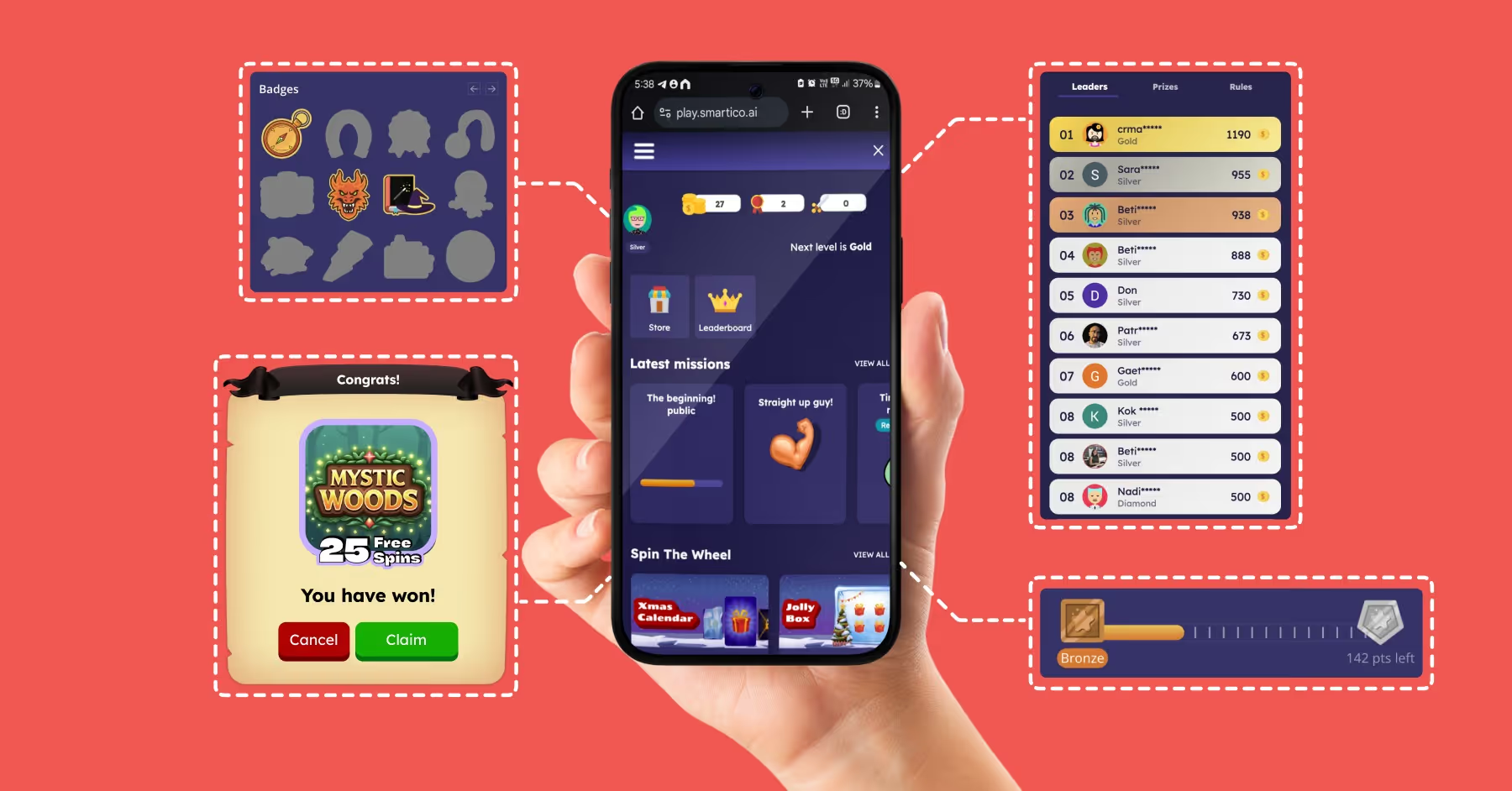
Подумайте про це як про відеоігри. Ви граєте не тільки за очки. Ви граєте, щоб піднятися на рівень, розблокувати нові здібності та досягти наступного рівня. Така ж психологія працює з програмами лояльності. Коли клієнтам є до чого прагнути, вони залишаються залученими.
Створюйте яруси з іменами, які відчувають себе особливими (не тільки бронзові, срібні, золоті). Запропонуйте ексклюзивні пільги на кожному рівні, які насправді важливі для ваших клієнтів. Ранній доступ до розпродажів, безкоштовна доставка, спеціальні лінії підтримки або ексклюзивні продукти можуть творити чудеса.
3. Використовуйте гейміфікацію, щоб зробити взаємодію веселим
Організації з ігрові програми лояльності побачити різко краще утримання клієнтів. Чому? Тому що гейміфікація впливає на наше природне бажання досягнень, конкуренції та нагород.
Додайте виклики, смуги прогресу, значки або місії з обмеженим часом до своєї програми лояльності. Створюйте щоденні або щотижневі виклики, які заохочують конкретну поведінку. Можливо, це залишити відгук, спробувати нову категорію продуктів або взаємодіяти з вашим вмістом у соціальних мережах.
Ключовим є те, щоб він відчував себе грайливим, а не маніпулятивним. Якщо ваша стратегія гейміфікації виглядає як робота, замаскована під веселощі, клієнти зрозуміють це.
4. Блискавично реагуйте на проблеми зі службою підтримки клієнтів
Ваш продукт може бути чудовим, але якщо ваше обслуговування клієнтів жахливе, ви кровоточите клієнтів. Багато покупців підуть після одного поганого досвіду обслуговування.
Швидкість має значення. Дослідження послідовно показують, що клієнти цінують швидкі відповіді над ідеальними. Навчіть свою команду швидко реагувати, надайте їм можливість вирішувати проблеми без нескінченних ланцюжків схвалення та переконайтеся, що ваші клієнти почуваються почутими.
Подумайте про впровадження чат-ботів, щоб негайно відповісти на поширені запитання, але завжди надайте клієнтам легкий шлях до справжньої людини, коли він їм потрібен.
5. Збирайте та фактично дійте за відгуками клієнтів
Попросити зворотній зв'язок легко. Діючи на ньому? Саме тут більшість компаній зазнають невдачі.
Створюйте регулярні цикли зворотного зв'язку за допомогою опитувань, оглядів та прямих розмов. Але ось критична частина: закрийте цикл. Повідомте клієнтів, коли ви внесли зміни на основі їхніх пропозицій. Покажіть їм, що їхній голос має значення.
Коли клієнти бачать, що їхні відгуки перетворюються на реальні покращення, вони розвивають емоційну частку у вашому успіху. Вони стають партнерами, а не лише покупцями.
6. Пропонуйте варіанти підписки для передбачуваної вартості
Економіка передплати більше не тільки для потокових служб. Споживачі люблять передбачувані ціни та автоматичну доставку продуктів, якими вони користуються регулярно.
Служби доставки їжі відмовляються від плати за доставку для абонентів. Бренди краси щомісяця надсилають підібрані продукти. Програмні компанії пропонують преміум-функції за фіксовану щомісячну плату.
Підписки створюють звичну поведінку. Як тільки хтось підписується, тертя піти набагато вище, ніж одноразова покупка. Крім того, ви отримуєте передбачуваний дохід і кращі дані про клієнтів.
7. Створюйте досвід спільноти поза транзакціями
Ваш бренд - це не просто місце для покупки речей. Це може бути спільнота, де клієнти зв'язуються один з одним та з вашими цінностями.
Організуйте події (віртуальні або особисті), створюйте ексклюзивні онлайн-спільноти або сприяйте групам користувачів. Молоде покоління особливо цінують можливості внести свій внесок у місії та справи, а також шанси брати участь у заходах членів громади.
Коли клієнти відчувають себе частиною чогось більшого, ніж транзакція, лояльність йде природно.
{{cta-банер}}
8. Впроваджуйте винагороди в режимі реального часу та миттєве задоволення
Ніхто не хоче чекати півроку, щоб викупити бали. Дайте клієнтам миттєві виграші.
Несподівані нагороди, миттєві знижки при досягненні певних порогів або негайний доступ до ексклюзивного вмісту створюють позитивне підкріплення. Чим ближче винагорода до поведінки, яку ви хочете заохотити, тим ефективнішою вона стає.
9. Використовуйте прогностичну аналітику, щоб зупинити відхід до того, як це станеться
Не чекайте, поки клієнти підуть, щоб спробувати завоювати їх назад. Використовуйте дані для ідентифікувати клієнтів з ризиком Перш ніж вони збиваються.
Шукайте попереджувальні знаки: зменшення частоти покупок, зниження взаємодії з електронними листами або негативні настрої у взаємодії з обслуговуванням клієнтів. Потім активно звертайтеся до персоналізованих пропозицій, реєстрації або рішень потенційних проблем.
Профілактика завжди дешевше, ніж повторне придбання.
10. Зробіть ваш мобільний досвід плавним та легким
Більшість сучасних покупців визначають як орієнтовані на зручність. Якщо ваш мобільний досвід незграбний, повільний або неприємний, ви відштовхуєте клієнтів.
Оптимізуйте все для мобільних пристроїв. Швидкий час завантаження, проста навігація, прості процеси оформлення замовлення та ексклюзивні функції для мобільних пристроїв - все це має значення. Багато програм лояльності тепер пропонують мобільні додатки з такими функціями, як сканування QR-коду для миттєвих балів або винагород на основі місцезнаходження.
11. Персоналізуйте частоту спілкування на основі налаштувань
Занадто багато електронних листів? Клієнти відписуються або відмовляються від підписки. Занадто мало? Вони забувають, що ти існуєш.
Більшість споживачів вважають за краще отримувати помірну кількість взаємодій з брендом на місяць, але переваги сильно відрізняються від людини до людини. Нехай клієнти обирають свою частоту зв'язку та канали. Деякі люди люблять щоденні тексти про угоди. Інші хочуть один щомісячний бюлетень. Поважайте їхні переваги.
12. Створюйте ексклюзивні продукти або досвід для постійних клієнтів
Зробіть так, щоб ваші найкращі клієнти відчували себе особливими, надаючи їм доступ до речей, які інші не можуть отримати.
Продукти з обмеженим тиражем, ранній доступ до нових запусків, розпродажі лише на запрошення або VIP-досвід - все це працює. Коли клієнти знають, що отримують щось ексклюзивне, вони, швидше за все, збережуть свій статус лояльності.
13. Партнерство з додатковими брендами для доданої вартості
Стратегічні партнерства розширюють цінність, яку ви можете запропонувати, не збільшуючи пропорційно витрат.
Фітнес-бренд може співпрацювати з компаніями здорового харчування. Програма лояльності для подорожей може співпрацювати з готелями та орендою автомобілів. Ці партнерські відносини створюють екосистеми, де бали лояльності або переваги працюють у кількох брендах, роблячи програму більш цінною та липкою.
14. Реалізуйте надійну програму рефералів
Ваші щасливі клієнти - це ваші найкращі продавці. Коли лояльність порушується, більшість клієнтів припиняють купувати повністю, а молоді покоління часто публікують свої скарги. Зворотний бік? Задоволені клієнти розповідають своїм друзям.
Створюйте реферальні програми, які винагороджують як реферера, так і нового клієнта. Зробіть спільний доступ легким за допомогою опцій в один клік і попередньо написаних повідомлень. Ретельно відстежуйте реферали та оперативно винагороджуйте.
15. Використовуйте автоматизацію CRM для масштабування персоналізації
Ви не можете особисто зв'язатися з тисячами клієнтів, але ваша CRM може.
Автоматизовані робочі процеси можуть надсилати повідомлення про день народження, святкувати ювілеї клієнтів, запускати безпрограшні кампанії для клієнтів, які втратили термін дії, або рекомендувати продукти на основі історії перегляду. Головне - зробити автоматизацію особистою, а не роботизованою.
Smartico.ai єдина платформа поєднує автоматизацію CRM з гейміфікацією, щоб створити персоналізовану взаємодію в масштабах, що дозволяє компаніям автоматизувати механіку лояльності, зберігаючи цей людський дотик.
16. Запропонуйте гнучкі варіанти викупу
Очки, які можна використовувати лише одним способом, не дуже цінні. Дайте клієнтам вибір.
Нехай вони викуповують на знижки, безкоштовні продукти, благодійні пожертви, ексклюзивні враження або навіть подарують друзям. Гнучкість підвищує сприйняту цінність і гарантує, що більше клієнтів знайдуть вашу програму лояльності, в якій варто брати участь.
17. Створюйте контент, який виховує та розважає
Лояльність — це не тільки транзакції. Йдеться про те, щоб бути цінною присутністю в житті ваших клієнтів.
Створюйте корисний контент, пов'язаний з вашими продуктами. Посібники з інструкцій, поради щодо стилізації, ідеї рецептів, поради щодо технічного обслуговування або галузеві відомості позиціонують вас як експерта, підтримуючи залучення клієнтів між покупками.
18. Святкуйте віхи та досягнення клієнтів
Всі люблять, щоб їх визнали. Святкуйте, коли клієнти досягають етапів лояльності, ювілеїв з вашим брендом або особистих досягнень, якими вони поділяються.
Автоматизовані повідомлення добре працюють для простих підтверджень, але подумайте про додавання особистих штрихів для ваших найкращих клієнтів. Рукописна записка, телефонний дзвінок від вашого генерального директора або спеціальний подарунок можуть створити пам'ятні моменти, які зміцнюють лояльність.
19. Будьте прозорими щодо використання даних та конфіденційності
В епоху порушень даних та проблем конфіденційності багато споживачів кажуть, що неетична поведінка порушує угоди. Будьте кришталево чіткими щодо того, які дані ви збираєте та як ви їх використовуєте.
Не ховайтеся за юридичним жаргоном у своїй політиці конфіденційності. Поясніть простою англійською мовою, навіщо вам потрібна певна інформація і як це покращує їхній досвід. Надайте клієнтам контроль над своїми даними та полегшіть відмову.
20. Впроваджуйте динамічні ціни, які винагороджують лояльність
Ціна має значення, але лояльні клієнти не завжди повинні платити так само, як нові клієнти, які шукають найкращу пропозицію.
Подумайте про пропонування ексклюзивних рівнів цін, автоматичних знижок під час оплати для учасників лояльності або ранній доступ до розпродажів. Це винагороджує лояльну поведінку, водночас дозволяючи залучати нових клієнтів акціями.
21. Використовуйте соціальний доказ для зміцнення спільноти
Люди хочуть належати. Покажіть клієнтам, що вони є частиною чогось більшого, висвітлюючи вміст, створений користувачами, розповідаючи історії клієнтів або показуючи сповіщення про покупки в режимі реального часу.
Коли нові клієнти бачать, що тисячі інших щасливо купують у вас, це створює довіру. Коли існуючі клієнти бачать себе відображеним у вашому маркетингу, це зміцнює їх зв'язок з вашим брендом.
22. Оптимізуйте процес повернення та обміну
Безпроблемний процес повернення може здатися неінтуїтивним для лояльності, але він створює довіру. Клієнти охочіше пробують нові продукти, коли знають, що повернення легко, якщо щось не вийде.
Зробіть повернення простим, швидким та дружнім. Деякі бренди перетворили прибуток на можливості для зміцнення лояльності, пропонуючи миттєвий кредит магазину або бонусні бали за вибір обміну замість повернення коштів.
23. Створюйте моменти сюрпризу та насолоди
Несподівані нагороди створюють потужні емоційні зв'язки. Випадкові акти вдячності показують клієнтам, що ви цінуєте їх поза їхніми транзакціями.
Сюрприз лояльний клієнт з безкоштовним оновленням надсилайте несподівані бонусні бали, включіть безкоштовний зразок до свого замовлення або пропонувати флеш-розпродажі виключно конкретним сегментам клієнтів. Непередбачуваність робить ці моменти більш незабутніми, ніж звичайні нагороди.
24. Підтримуйте стабільну якість у всіх точках дотику
Клієнти кажуть, що стабільна якість продукції є критичною. Послідовність породжує довіру, а довіра породжує лояльність.
Кожна взаємодія з вашим брендом повинна відповідати послідовним стандартам. Ваш веб-сайт, ваша упаковка, обслуговування клієнтів, якість вашої продукції та ваше спілкування повинні здаватися, ніби вони походять з одного місця. Невідповідність створює сумніви.
25. Постійно перевіряйте та оптимізуйте свою стратегію лояльності
Уподобання клієнтів розвиваються. Те, що працювало минулого року, може не спрацювати сьогодні. Найуспішніші програми постійно розвиваються у відповідь на потреби клієнтів та зміни ринку.
Перевірте різні структури винагороди, стратегії спілкування та функції програми. Використовуйте A/B тестування для розсилки електронною поштою. Опитуйте клієнтів про те, що вони найбільше цінують. Слідкуйте за показниками взаємодії та будьте готові знищувати функції, які не мають резонансу.
7 ознак того, що ваша стратегія лояльності потребує оновлення
Іноді вам потрібно відступити і чесно оцінити, чи працює ваш поточний підхід. Ось сім попереджувальних ознак того, що настав час змін:
- Ваші показники залучення знижуються. Якщо менше клієнтів викупляє винагороди або взаємодіє з вашою програмою, щось не так. Низький викуп часто означає, що винагорода недостатньо переконлива або процес занадто складний.
- Скарги клієнтів на вашу програму зростають. Зверніть увагу на квитки на обслуговування клієнтів та згадки в соціальних мережах. Якщо люди розчаровані тим, як Ваша програма лояльності працює, це цінний відгук.
- Ви спостерігаєте високий відтік, незважаючи на програму лояльності. Програма лояльності, яка не утримує клієнтів, насправді не є програмою лояльності. Це дорогий механізм знижок.
- Витрати на придбання нових клієнтів продовжують зростати. Якщо ви витрачаєте все більше і більше на заміну втрачених клієнтів, ваша стратегія утримання потребує роботи.
- Конкуренти крадуть ваших клієнтів кращими програмами. Слідкуйте за тим, що пропонують інші у вашій галузі. Якщо клієнти їдуть за програмами конкурентів, потрібно зрозуміти, чому.
- Дані вашої програми лояльності не інтегровані з іншими системами. Силозовані дані означають, що ви не можете ефективно персоналізувати. Сучасні програми лояльності потребують уніфікованих поглядів клієнтів у всіх точках контакту.
- Ви не можете чітко сформулювати рентабельність інвестицій своєї програми. Якщо ви не знаєте, яку цінність надає ваша програма лояльності, як ви можете покращити її або виправдати інвестиції в неї?
Як Smartico.ai сприяє лояльності клієнтів за допомогою інтелектуальної автоматизації
Побудова та підтримка лояльності клієнтів у масштабах вимагає складних технологій. Ось тут приходять такі рішення, як Smartico.ai.
Заснована в 2019 році, Smartico.ai стала першопрохідцем уніфікованого Гейміфікація і Автоматизація CRM підхід, поєднуючи механіку взаємодії в режимі реального часу з потужними інструментами автоматизації. Замість того, щоб керувати окремими системами для програм лояльності, даних про клієнтів та кампаній взаємодії, підприємства отримують все на одній платформі.
Що робить цей підхід ефективним? Це комбінація механізмів персоналізації, які адаптуються до індивідуальної поведінки клієнтів, автоматизовані робочі процеси які реагують на дії клієнтів миттєво, і механіка гейміфікації, яка робить взаємодію справді приємним, а не транзакційним.
Платформа використовує машинне навчання для прогнозування потреб клієнтів, виявлення ризиків відходу та автоматичної оптимізації структур винагороди. Це означає, що компанії можуть надавати персоналізований досвід у масштабах, не вимагаючи великих команд або постійних ручних коригувань. Функції гейміфікації в режимі реального часу, такі як виклики, турніри, і системи досягнень підтримують залучення клієнтів, тоді як автоматизація CRM справляється з важким підйомом сегментації, запуском кампаній та відстеженням подорожей клієнтів.
Для компаній у конкурентних галузях, де утримання клієнтів приносить або знижує прибутковість, уніфіковані платформи, такі як Smartico.ai, пропонують спосіб конкурувати з набагато більшими конкурентами, розумнішими щодо залучення, а не просто витрачаючи більше на придбання.
Хочете дізнатися, як Smartico може допомогти підвищити лояльність до вашого бізнесу саме так, як нічого, що ви не пробували раніше? Забронюйте безкоштовну, поглиблену демонстрацію нижче.
{{cta-банер}}
Вимірювання того, що важливо: ключові показники лояльності для відстеження

Стратегії нічого не означають без вимірювання. Ось показники, які насправді мають значення:
Утримання клієнтів Ставка відстежує відсоток клієнтів, які продовжують купувати з часом. Обчисліть його, взявши кількість клієнтів наприкінці періоду, віднімаючи нових придбаних клієнтів і розділивши на клієнтів на початку.
Довічна вартість клієнта (CLV) являє собою загальний дохід, який ви очікуєте від клієнта протягом усіх його відносин з вашим брендом. Багато брендів вважають це пріоритетом як свій головний показник, сигналізуючи про перехід від короткострокових транзакцій до довгострокових відносин.
Коефіцієнт повторної покупки вимірює, скільки клієнтів повертаються для другої, третьої або четвертої покупки. Це безпосередньо вказує на те, чи працюють ваші зусилля щодо лояльності.
Оцінка чистого промоутера (NPS) вимірює, чи рекомендуватимуть клієнти вас іншим. Промоутери - ваші чемпіони лояльності; недоброзичливці - попереджувальні знаки.
Частота відтоку повідомляє, який відсоток клієнтів перестають купувати у вас. Нижче, очевидно, краще, і навіть невеликі поліпшення тут можуть різко вплинути на прибутковість.
Коефіцієнт залучення програми для програм лояльності спеціально відстежує активну участь. Споживачі зазвичай належать до багатьох програм лояльності, але вони активно займаються лише часткою з них. Ваша мета - бути одним з тих небагатьох важливих.
Технологічний стек для сучасної лояльності

Ви не можете запускати складні стратегії лояльності лише за допомогою електронних таблиць та електронної пошти. Ось що потрібно сучасним програмам лояльності:
Уніфікована CRM що об'єднує дані клієнтів з усіх точок дотику в єдиний вигляд. Цей фундамент дозволяє все інше.
Інструменти автоматизації маркетингу які запускають кампанії на основі поведінки клієнтів, а не лише календарних дат.
Аналітичні платформи які перетворюють необроблені дані на дієву інформацію про поведінку клієнтів, уподобання та тенденції.
Двигуни гейміфікації які додають захоплюючі механіки, такі як виклики, таблиці лідерів та системи досягнень до рутинних взаємодій.
Платформи персоналізації які використовують штучний інтелект для надання індивідуалізованого досвіду в масштабах.
Найкращі рішення інтегрують всі ці можливості в уніфіковані платформи, а не вимагають від бізнесу зшивати кілька систем. Інтеграція - це місце, де більшість програм лояльності зазнають невдачі - чим більше систем вам потрібно підключити, тим більше потенційних точок розриву ви створюєте.
Об'єднуючи все це
Підвищення лояльності клієнтів полягає у створенні комплексного підходу, який змушує клієнтів відчувати себе цінними, зрозумілими та раді залишатися на зв'язку з вашим брендом.
Стратегії, які ми розглянули - від персоналізації та гейміфікації до побудови спільноти та інтелектуальної автоматизації - всі працюють разом, щоб створити досвід, який перевершує прості транзакції. Коли клієнти відчувають щиру оцінку і постійно отримують цінність від вашого бренду, лояльність випливає природно.
Почніть зі стратегій, які найкраще відповідають вашим поточним можливостям та уподобанням ваших клієнтів. Перевірте, вимірюйте, повторюйте та масштабуйте те, що працює. Лояльність клієнтів - це марафон, а не спринт, але кожне поліпшення утримання безпосередньо впливає на ваш прибуток.
Поширені запитання
Як швидко я можу розраховувати на результати стратегій лояльності клієнтів?
Деякі тактики дають негайний результат, а інші вимагають терпіння. Швидкі виграші, як-от покращення часу відповіді або впровадження миттєвих винагород, можуть показати вплив протягом кількох тижнів. Створення комплексної програми лояльності або створення міцних зв'язків із спільнотою зазвичай займає від трьох до шести місяців, перш ніж ви побачите значні зміни в показниках утримання. Ключовим є послідовність та постійна оптимізація, а не очікування трансформації протягом ночі.
Яка ідеальна структура програми лояльності для малого бізнесу?
Малий бізнес повинен зосередитися на простоті та справжньому побудові відносин. Добре працює система на основі балів з чіткою вартістю та легким викупом. Розгляньте багаторівневі переваги, які не потребують масштабної інфраструктури, як-от персоналізоване обслуговування, ранній доступ до продуктів або ексклюзивні канали зв'язку. Ваша перевага як невеликого бізнесу - це можливість запропонувати більш особисті штрихи, які більші конкуренти не можуть масштабувати.
Як не допустити, щоб моя програма лояльності стала програмою знижок?
Збалансуйте фінансові винагороди з досвідченими вигодами. Замість того, щоб пропонувати лише знижки, включайте ексклюзивний доступ, персоналізовані послуги, визнання та переваги громади. Зробіть так, щоб просування через рівні залежало від залучення, крім просто витрат. Мета - створення емоційних зв'язків, а не лише транзакційних стимулів. Коли клієнти цінують вашу програму більше, ніж економію грошей, ви створили щось стійке.
Чи варто інвестувати в гейміфікацію, якщо моя аудиторія переважно старша демографія?
Абсолютно, але адаптуйте підхід. Гейміфікація призначена не лише для молодшої аудиторії — це про те, щоб досвід був цікавим у будь-якому віці. Старші демографічні особи часто добре реагують на відстеження прогресу, визнання досягнень та святкування віх. Пропустіть модні механіки, як-от таблиці лідерів, якщо вони не підходять вашій аудиторії, але виклики, винагороди за послідовність та візуальні показники прогресу працюють у різних вікових групах, якщо вони продумано впроваджуються.
Як я можу виміряти емоційний зв'язок клієнтів з моїм брендом?
Крім стандартних показників, таких як NPS, подивіться на якісні показники, такі як небажані позитивні відгуки, якість взаємодії з соціальними мережами (а не лише кількість), поведінка рефералів без стимулів та готовність клієнтів платити преміальні ціни. Проведіть аналіз настроїв щодо комунікацій з клієнтами та опитуйте клієнтів про їхні почуття до вашого бренду, а не лише про задоволення продуктами. Участь у нетранзакційних заходах брендів, таких як події чи спільноти, також вказує на емоційні інвестиції.
Яку роль відіграє залучення працівників у лояльності клієнтів?
Масивний. Співробітники є обличчям вашого бренду, особливо в ролях, орієнтованих на клієнтів. У таких галузях, як ресторани та готелі, дружелюбність працівників є головним фактором цінності обслуговування клієнтів. Залучені співробітники створюють кращий досвід клієнтів, ефективніше вирішують проблеми та щиро піклуються про результати клієнтів. Інвестуйте в навчання співробітників, розширення можливостей та задоволення — це безпосередньо означає лояльність клієнтів.
Чи знайшли вам цю статтю корисною? Якщо так, подумайте про те, щоб поділитися ним з іншими професіоналами галузі, такими як ви самі.
Готові до використання Smartico?
Приєднуйтесь до сотень компаній по всьому світу, які залучають гравців за допомогою Smartico.