


Consent-Driven Gamification: Building Engaging Experiences Within Privacy Boundaries

The mobile game industry sits on a powder keg. With the majority of games failing privacy regulations and consumers growing more protective of their data, operators face a choice: adapt or face the consequences. But here's the thing - privacy compliance doesn't have to kill engagement. Smart operators are finding out that consent-driven gamification actually builds stronger relationships with players.
Here’s how…
The Privacy Problem That's Eating the Industry

Most mobile games collect personal data like it's going out of style. They track everything from device IDs to location data, often without clear consent. This free-for-all approach worked when users didn't know better. Those days are over.
The numbers tell the story. In EMEA regions, 94% of mobile games collect personal data without proper consent. North America isn't much better at 86%. And these are major games with millions of daily active users.
{{cta-banner}}
The regulatory response has been swift and expensive. Gaming companies have faced record-breaking fines, including a $275 million penalty under COPPA. When 40% of players say they'll uninstall games over privacy concerns, the financial impact extends far beyond regulatory penalties.
What Makes Consent-Based Gamification Different

Traditional gamification throws rewards at users and hopes they stick around. Consent-based gamification flips the script. It makes privacy choices part of the experience itself, turning compliance into engagement.
The approach works by embedding consent decisions into meaningful game moments. Instead of boring popup boxes, players make data-sharing choices through interactive elements that feel natural to the gaming experience. A player might unlock special content by choosing to share location data for personalized recommendations, or earn bonus points for completing a privacy preference profile.
The key difference lies in transparency and choice. Players understand exactly what data they're sharing and why. They can see immediate benefits from their privacy decisions, creating a direct connection between consent and value.
Real-World Success Stories
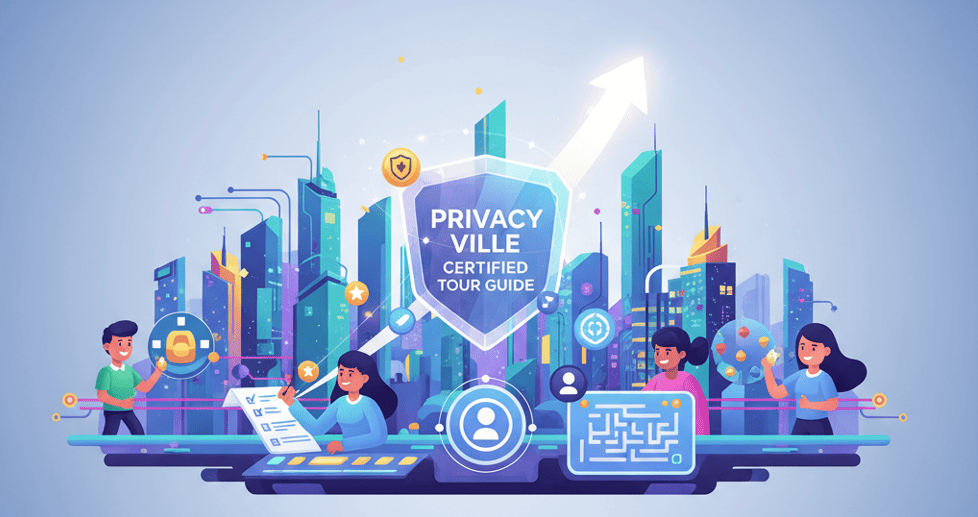
Several companies have already proven this approach works. Zynga, for example, created PrivacyVille, where players earn points and achieve "Certified PrivacyVille Tour Guide status" by engaging with privacy content. The gamified experience transformed dry legal requirements into an interactive journey.
Other brands use consent gamification to collect first-party data through surveys and quizzes disguised as engaging content. Instead of forms, they create interactive experiences that feel like mini-games while building customer profiles.
These implementations share common elements: clear value propositions, immediate rewards for participation, and transparent communication about data usage. Players don't feel tricked or manipulated, but informed and empowered.
Building Trust Through Game Mechanics

Effective consent-driven gamification relies on specific mechanics that build trust while maintaining engagement:
- Progress Visualization: Players can see how their privacy choices unlock features or benefits. Visual progress bars and achievement systems make abstract privacy concepts tangible.
- Granular Control: Instead of all-or-nothing consent, players choose specific data types to share. Each choice comes with clear explanations of benefits and uses.
- Reward Systems: Players earn points, badges, or in-game currency for engaging with privacy settings. These rewards acknowledge the value of their data sharing.
- Social Elements: Leaderboards and community challenges can encourage privacy engagement, though these must be carefully designed to avoid compromising the privacy they're meant to protect.
The most successful implementations balance motivation with authenticity. Players should never feel coerced into sharing data, even through gamification. The experience should enhance their understanding and control, not undermine it.
Practical Implementation Strategies
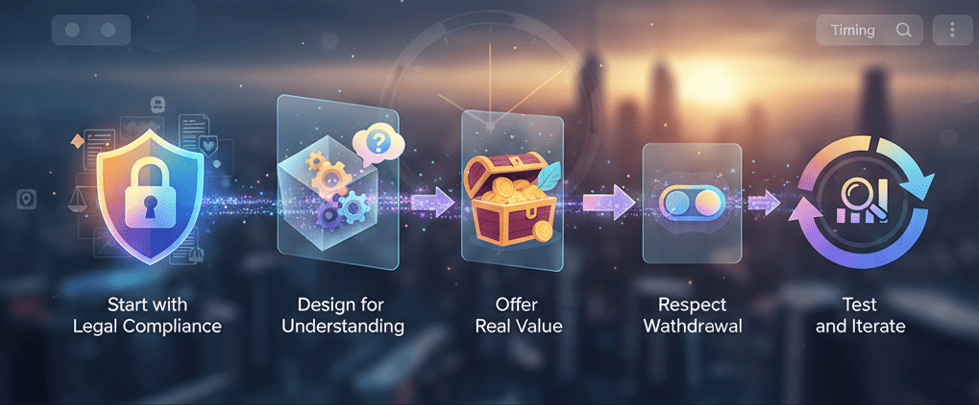
Getting consent-driven gamification right requires careful planning and execution. Here are the essential elements:
- Start with Legal Compliance: Before adding any game elements, ensure your consent mechanisms meet GDPR, CCPA, and other applicable regulations. Gamification should enhance compliance, not complicate it.
- Design for Understanding: Use clear, jargon-free language to explain data collection and usage. Interactive tutorials can help players understand privacy implications better than traditional text.
- Offer Real Value: Players need genuine benefits from sharing data. Personalized content, exclusive features, or in-game advantages provide clear incentives for consent.
- Respect Withdrawal: Make it easy for players to change their minds. Privacy gamification should include simple ways to modify or withdraw consent.
- Test and Iterate: Monitor how players interact with consent elements. Low engagement or high withdrawal rates signal problems with the implementation.
The most critical factor is timing. Consent requests work best when integrated into natural game progression, not forced during onboarding or mid-session.
The Technical Infrastructure Behind Success

Effective consent-driven gamification requires robust technical foundations. Modern implementations use several key technologies:
- Consent Management Platforms: These systems track and manage user consent across different data types and purposes. They ensure consent choices are respected throughout the player experience.
- Real-Time Personalization: AI-driven systems analyze consent choices to deliver appropriate content and experiences instantly. Players see immediate value from their privacy decisions.
- Cross-Platform Integration: Consent choices need to work consistently across mobile apps, websites, and other touchpoints. Unified systems prevent privacy fragmentation.
- Analytics and Reporting: Operators need detailed insights into consent patterns and player behavior to optimize their privacy gamification strategies.
The infrastructure must handle complex scenarios, like players who consent to analytics but not advertising, or those who want personalized content without behavioral tracking.
Industry Benefits Beyond Compliance

Consent-driven gamification delivers advantages that extend far beyond regulatory compliance:
- Higher Data Quality: Players who actively choose to share data provide more accurate information. This leads to better personalization and more effective marketing.
- Increased Player Lifetime Value: Trust-based relationships typically last longer and generate more revenue. Players who feel respected are more likely to make purchases and remain engaged.
- Competitive Differentiation: In a crowded market, privacy-forward approaches help brands stand out. Players increasingly choose games that respect their data choices.
- Reduced Legal Risk: Proactive privacy measures prevent regulatory penalties and reduce legal exposure. This protection becomes more valuable as enforcement increases.
- Better Customer Insights: Transparent data collection often yields richer insights than hidden tracking. Players share more when they understand the benefits.
These advantages compound over time, creating sustainable competitive advantages for early adopters.
Common Pitfalls and How to Avoid Them

Several mistakes can undermine consent-driven gamification efforts:
- Over-Gamification: Adding too many game elements can make privacy choices feel trivial or manipulative. Keep the focus on transparency and choice.
- Dark Patterns: Using gamification to pressure users into sharing more data violates the spirit of consent. Ensure all choices remain genuinely voluntary.
- Complexity Overload: Complicated privacy interfaces confuse players, even with gamification. Simplicity should remain the priority.
- Inconsistent Messaging: Mixed signals about data usage destroy trust quickly. Ensure privacy communications align across all touchpoints.
- Neglecting Updates: Privacy preferences change over time. Systems should regularly prompt players to review and update their choices.
The most successful implementations prioritize user agency over engagement metrics. Short-term gains from manipulative practices inevitably backfire.
The Future of Privacy-First Gaming

The trend toward consent-driven approaches will accelerate as regulations expand and consumer awareness grows. Several developments will shape this evolution:
- AI-Powered Personalization: Machine learning will enable more sophisticated customization based on limited, consented data. Quality will matter more than quantity.
- Blockchain Integration: Distributed systems may give players direct control over their data, creating new gamification opportunities around data ownership.
- Cross-Industry Standards: Gaming privacy practices will likely influence other industries, creating standardized approaches to consent gamification.
- Enhanced User Education: Interactive privacy education will become standard, helping players make informed decisions about their data.
Companies that embrace these changes early will gain significant advantages in player acquisition and retention.
About Smartico.ai
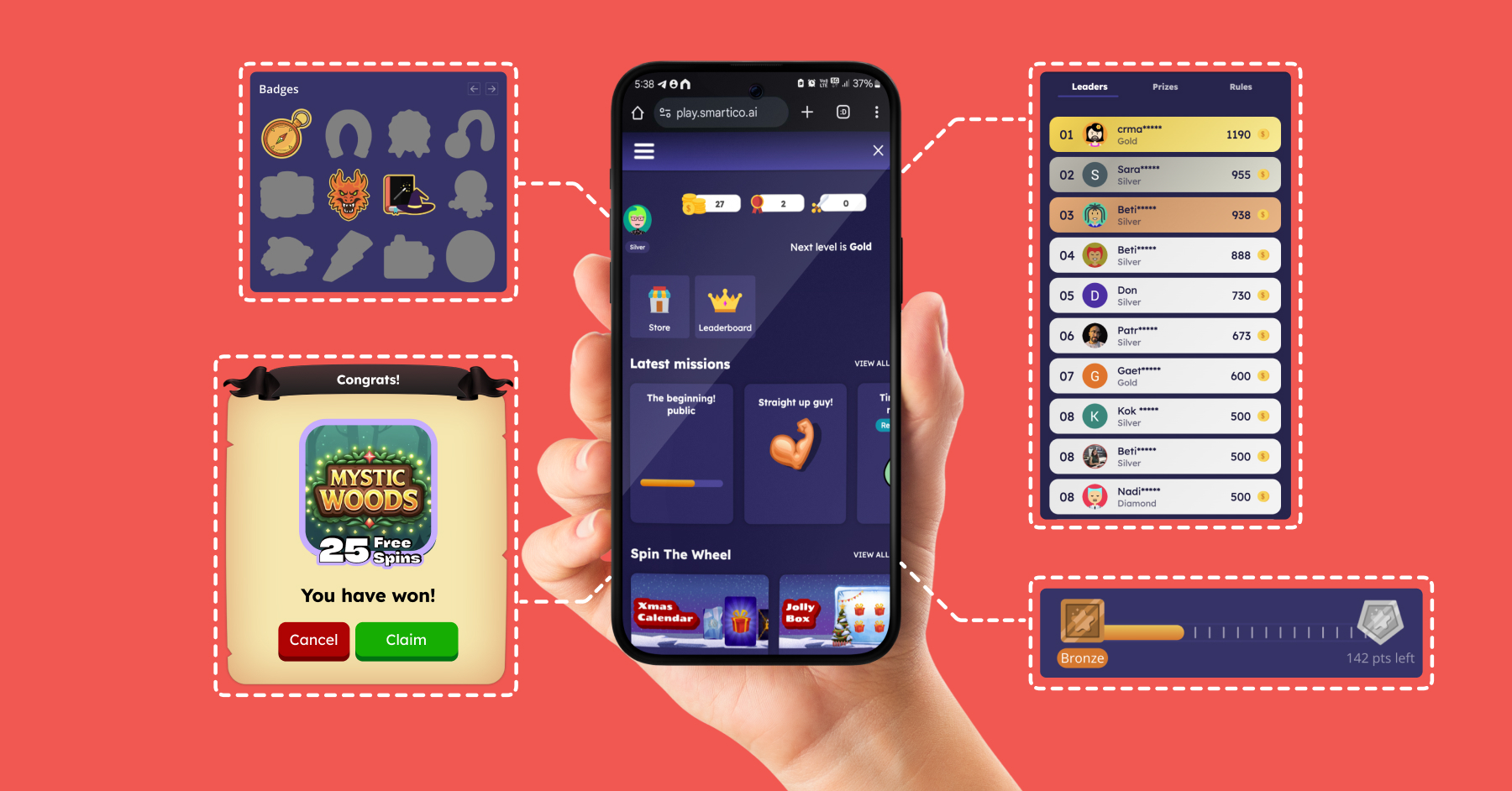
Smartico.ai stands as the first and leading unified Gamification/CRM Automation software in history, specifically designed for the modern iGaming industry. The platform combines advanced gamification mechanics with powerful CRM automation to create seamless player experiences that respect privacy while driving engagement.
Built with privacy compliance at its core, Smartico.ai helps operators implement consent-driven gamification strategies without compromising on player engagement or regulatory requirements. Its unified approach integrates real-time personalization, automated reward systems, and deep privacy management tools into a single, powerful solution.
Want to find out how Smartico can help raise your iGaming revenue like nothing you’ve tried before? Book your free, in-depth demo below.
{{cta-banner}}
FAQ

1. Does gamifying consent actually improve user understanding of privacy policies?
Research indicates that interactive consent experiences significantly improve user comprehension compared to traditional text-based approaches. Players spend more time reviewing privacy information when game elements are present, leading to better-informed consent decisions.
2. How can operators measure the success of their consent-driven gamification efforts?
Key metrics include consent completion rates, consent withdrawal rates, player engagement with privacy settings, and long-term retention among consenting users. Quality metrics often prove more valuable than raw consent volumes.
3. What's the minimum viable approach for implementing consent-driven gamification?
Start with clear value propositions for data sharing, visual progress indicators for privacy choices, and simple reward systems for engaging with privacy settings. Complex implementations can be added iteratively based on player response.
4. How do consent-driven approaches work for players who prefer minimal data sharing?
Effective systems offer valuable experiences even for privacy-conscious players. This might include enhanced security features, ad-free experiences, or exclusive content for users who engage with privacy settings regardless of their sharing choices.
5. Can consent gamification work across different age groups and demographics?
Implementation details should vary by audience, but the core principles apply universally. Younger users may respond better to achievement-based elements, while older players often prefer clear utility-based benefits.
Conclusion
The mobile gaming industry faces an inevitable shift toward privacy-first operations. Operators who embrace consent-driven gamification will find themselves ahead of competitors still struggling with traditional compliance approaches. The key lies in viewing privacy not as a barrier to engagement, but as an opportunity to build deeper, more trusted relationships with players. Smart implementation of these strategies creates win-win scenarios where players feel respected and operators achieve better business outcomes.
Did you find this article helpful? If so, consider sharing it with other industry professionals such as yourself.