


Generative AI Game Personalization: Dynamic Content That Adapts to Every Player

The days of one-size-fits-all gaming experiences are over. Players today want games that actually know them – that learn their preferences, adapt to their skill level, and evolve with their playing style. And thanks to generative AI, that's exactly what they're getting.
Think about the last time you played a game that felt perfectly tailored to you. Maybe the difficulty ramped up right when you were getting too comfortable, or perhaps you received an in-game offer that was exactly what you needed at that moment. That wasn't luck but AI working behind the scenes.
Generative AI casino games and adaptive gaming AI are transforming how players interact with their favorite platforms. Instead of static experiences that treat every player the same way, modern games use machine learning to create personalized game content that shifts and changes based on individual behavior patterns.
The Magic Behind Personalized Gaming

Here's how it works: Every click, every bet, every pause you take generates data. Generative AI systems analyze this information in real-time, building a detailed profile of your gaming preferences. Apart from tracking what you do, the system also learns why you do it.
When you're playing an online casino game, the AI might notice you prefer medium-risk bets during evening hours but switch to high-stakes games on weekends. It picks up on subtle patterns, like how you respond to bonus rounds or which themes keep you engaged longest.
{{cta-banner}}
This behavioral analysis happens instantly. The AI processes your actions as they occur, adjusting everything from game recommendations to difficulty levels without you even realizing it.
Real-Time Content Generation

The most impressive part? Generative AI creates new content on the fly. Traditional games rely on pre-built assets and predetermined storylines. But AI-powered systems generate fresh experiences every time you play.
Some platforms now create unique slot themes based on your playing history. Others adjust narrative elements in real-time, crafting storylines that match your preferences. The AI analyzes millions of possible combinations and delivers content that feels custom-made for you.
This dynamic content generation extends beyond visuals and themes. AI systems modify game mechanics, adjust payout frequencies, and even create personalized challenges that match your skill level.
Adaptive Difficulty and Player Engagement
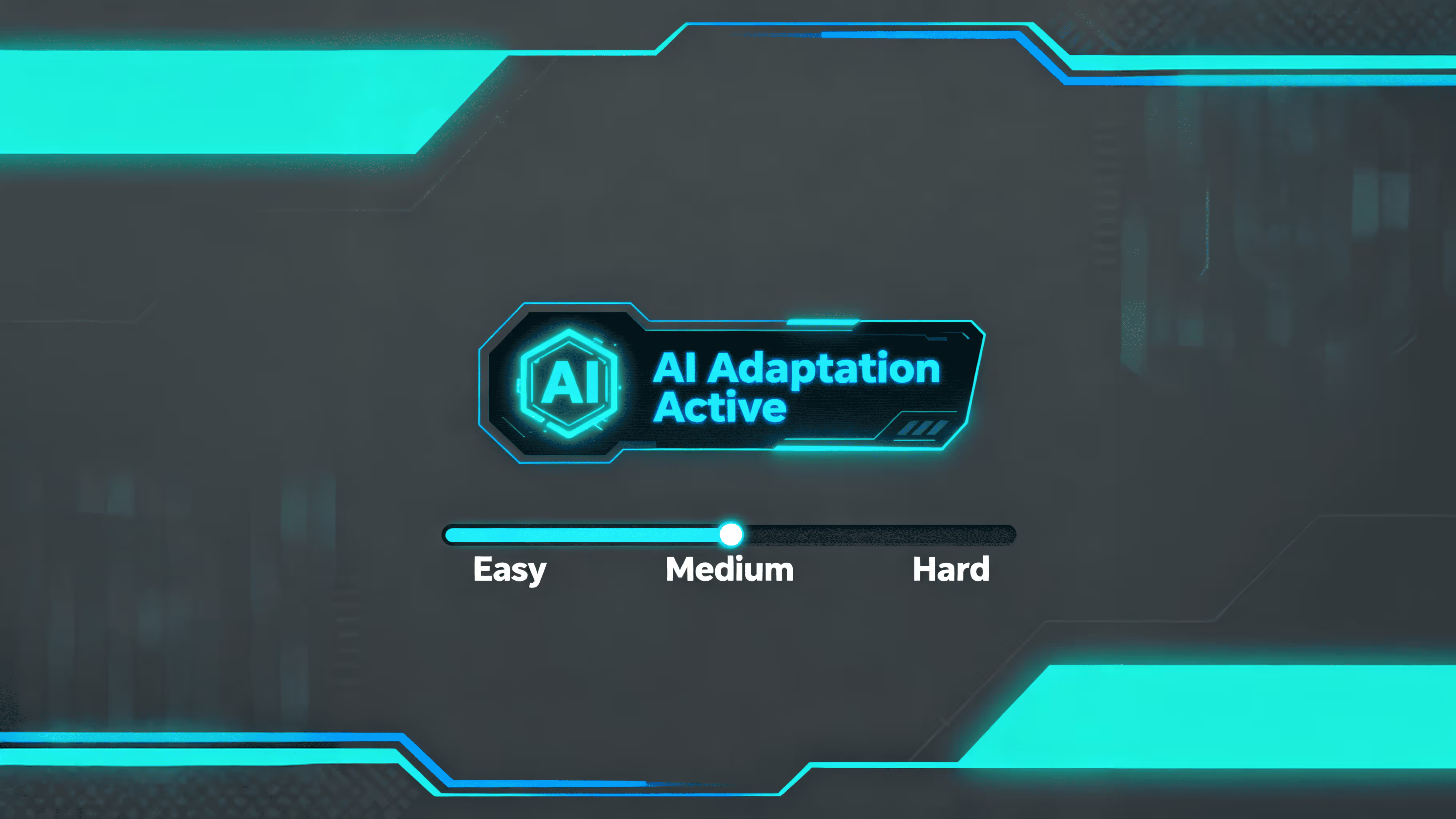
Nobody likes games that are too easy or impossibly hard. Generative AI solves this problem by continuously monitoring your performance and adjusting difficulty accordingly.
The system tracks how quickly you complete levels, where you struggle most, and when you typically take breaks. It uses this information to fine-tune the experience, ensuring you stay in that sweet spot between bored and frustrated.
Some games now use AI to modify enemy strength, adjust puzzle complexity, or change reward timing based on your individual skill progression. It keeps you playing as well as enjoying the experience.
Personalized Rewards and Incentives

AI-powered personalization really shines when it comes to rewards and incentives. Instead of generic bonuses that might not appeal to you, the system crafts offers based on your specific preferences and playing patterns.
If you're someone who enjoys collecting achievements, the AI might present you with badge-hunting challenges. If you prefer monetary rewards, it could offer cashback bonuses timed perfectly with your gaming sessions.
The technology analyzes your response to different types of incentives and learns which motivators work best for you individually. This creates a more satisfying experience while helping operators improve player retention rates.
The Technology Stack Behind Personalization

Modern personalized igaming relies on several key technologies working together. Machine learning algorithms process player behavior data in real-time. Predictive models anticipate future actions and preferences. Natural language processing enables AI-powered customer support that understands context and emotion.
Cloud computing platforms make it possible to analyze massive amounts of data quickly enough to influence gameplay in real-time. These systems can handle millions of concurrent players while maintaining personalized experiences for each individual.
The infrastructure includes data collection systems that track every interaction, analytics engines that identify patterns and trends, and content generation algorithms that create new assets based on player preferences.
Industry Applications and Success Stories

Major gaming companies are already seeing impressive results from AI personalization. Some platforms report increased player engagement rates of over 40% after implementing adaptive AI systems.
Real-time personalization has proven particularly effective in mobile gaming, where session lengths and retention rates have improved significantly. Players stay engaged longer when games adapt to their preferences and adjust difficulty dynamically.
iGaming operators using AI-powered CRM systems have seen substantial improvements in player lifetime value and reduced churn rates. The technology helps identify at-risk players and automatically trigger retention campaigns with personalized offers.
Challenges and Considerations

Implementing generative AI personalization isn't without challenges. Privacy concerns top the list, as players worry about how their data gets collected and used. Successful platforms address this by being transparent about data usage and giving players control over their privacy settings.
Technical complexity presents another hurdle. Building AI systems that can analyze behavior patterns and generate content in real-time requires significant infrastructure investment. The technology needs to be robust enough to handle millions of data points while remaining responsive.
There's also the risk of creating "filter bubbles" where AI systems become too narrow in their personalization, potentially limiting player discovery of new content types. The best implementations balance personalization with opportunities for exploration.
The Business Impact

For gaming operators, AI personalization delivers measurable results. Platforms using adaptive AI report higher conversion rates, increased average session times, and improved player satisfaction scores.
The technology helps operators optimize their marketing spend by targeting the right players with the right offers at the right time. Instead of broad campaigns that may or may not resonate, AI enables precision targeting based on individual behavior patterns.
Revenue optimization becomes more sophisticated when AI can analyze which incentives work best for different player segments. This data-driven approach to monetization often results in higher per-player revenue without negatively impacting the gaming experience.
Looking Forward: The Future of AI Gaming

The evolution of generative AI in gaming shows no signs of slowing down. Emerging technologies promise even more sophisticated personalization capabilities.
Virtual reality integration will enable AI systems to analyze physical responses and adjust experiences based on stress levels, excitement, and other physiological indicators. This could create unprecedented levels of immersion and personalization.
Cross-platform personalization is another frontier, where AI systems will track player preferences across different games and devices, creating consistent personalized experiences regardless of where or how someone plays.
Smartico.ai: Leading the Unified Gamification Revolution
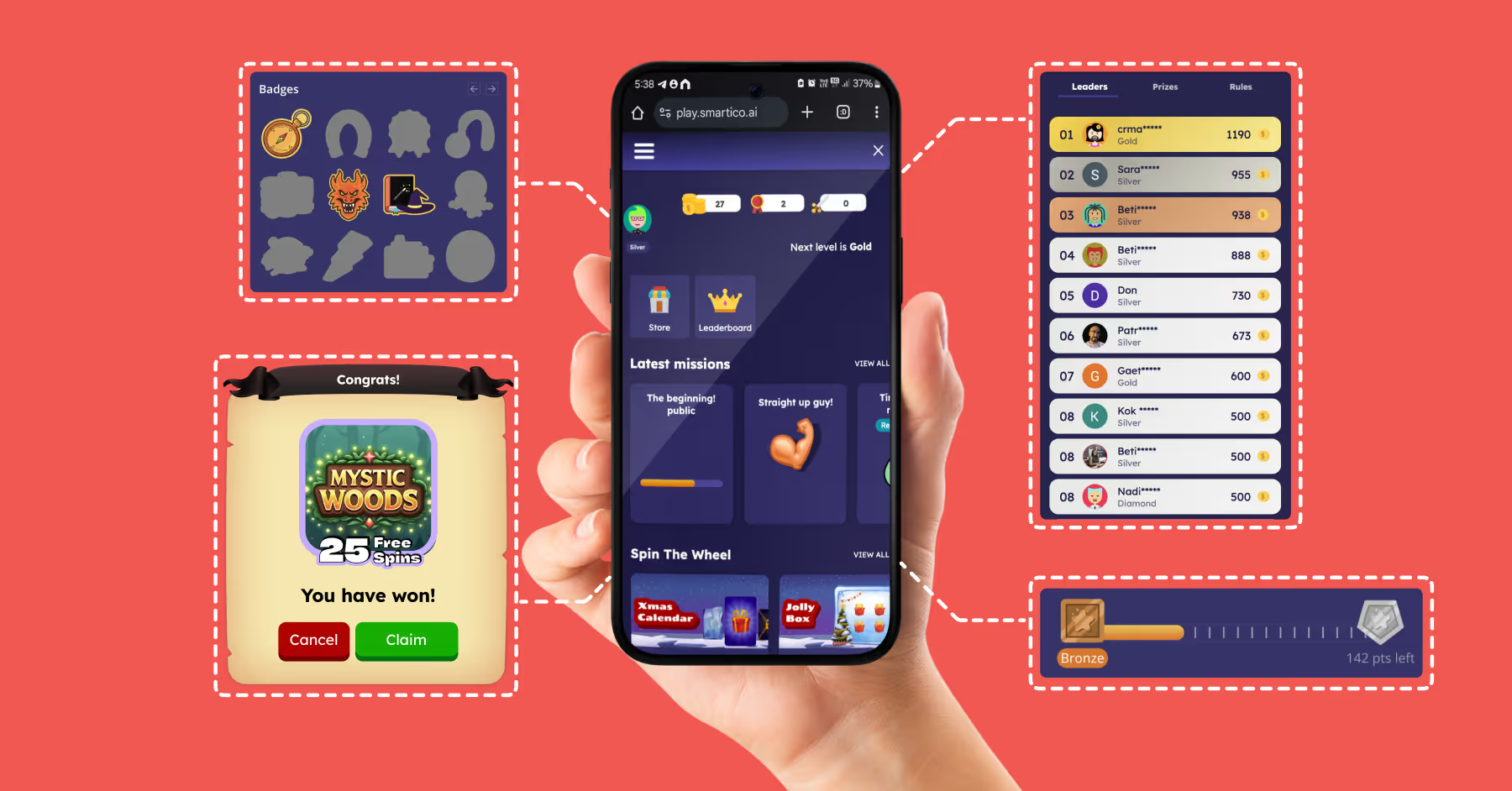
At the forefront of this AI-powered transformation stands Smartico.ai, the industry's first unified Gamification and CRM Automation platform. While other solutions offer fragmented approaches, Smartico combines real-time AI-driven personalization with comprehensive gamification tools in one integrated system.
Smartico's platform uses advanced machine learning models to predict player behavior, optimize engagement campaigns, and deliver hyper-personalized experiences at scale. The system analyzes player data in real-time, automatically adjusting gamification elements, loyalty rewards, and communication strategies to maximize retention and lifetime value.
What sets Smartico apart is its unified approach. Instead of requiring multiple vendors and complex integrations, operators get everything they need in one platform. AI-powered CRM, automation, customizable mini-games, loyalty wheels, predictive analytics – you name it – Smartico provides the complete toolkit for next-generation player engagement.
The platform's success stories speak for themselves, with operators reporting significant improvements in player retention, engagement rates, and revenue per user after implementing Smartico's AI-driven gamification solutions.
To learn how Smartico can help your business specifically upscale retention like nothing you’ve tried before, book your free, in-depth demo below.
{{cta-banner}}
Frequently Asked Questions

1. What is generative AI game personalization?
Generative AI game personalization uses artificial intelligence to create customized gaming experiences that adapt to individual player preferences, behaviors, and skill levels in real-time.
2. How does AI analyze player behavior in games?
AI systems track player actions, decisions, session patterns, and preferences to build detailed behavioral profiles. This data is processed using machine learning algorithms to predict future actions and customize content accordingly.
3. Can AI-generated content maintain game quality and fairness?
Yes, modern AI systems are designed with quality controls and fairness algorithms. They generate content within predetermined parameters while ensuring balanced gameplay and regulatory compliance.
4. What types of game content can AI personalize?
AI can personalize difficulty levels, rewards, visual themes, storylines, challenges, bonus timing, game recommendations, and even create unique game variants based on player preferences.
5. How quickly does AI adapt to player preferences?
AI systems can analyze and adapt to player behavior in real-time, often making adjustments within seconds of detecting new patterns or preferences.
Conclusion
Generative AI has fundamentally changed what players expect from their gaming experiences. The technology delivers personalized content that adapts and evolves, creating deeper engagement and more satisfying gameplay.
As AI systems become more sophisticated, the line between generic gaming and truly personalized experiences will only become more pronounced. The future belongs to platforms that can learn, adapt, and deliver exactly what each player wants, exactly when they want it.
Did you find this article helpful? If so, consider sharing it with other industry professionals such as yourself.