


Real-Time Sentiment Analysis: Emotional Intelligence in iGaming
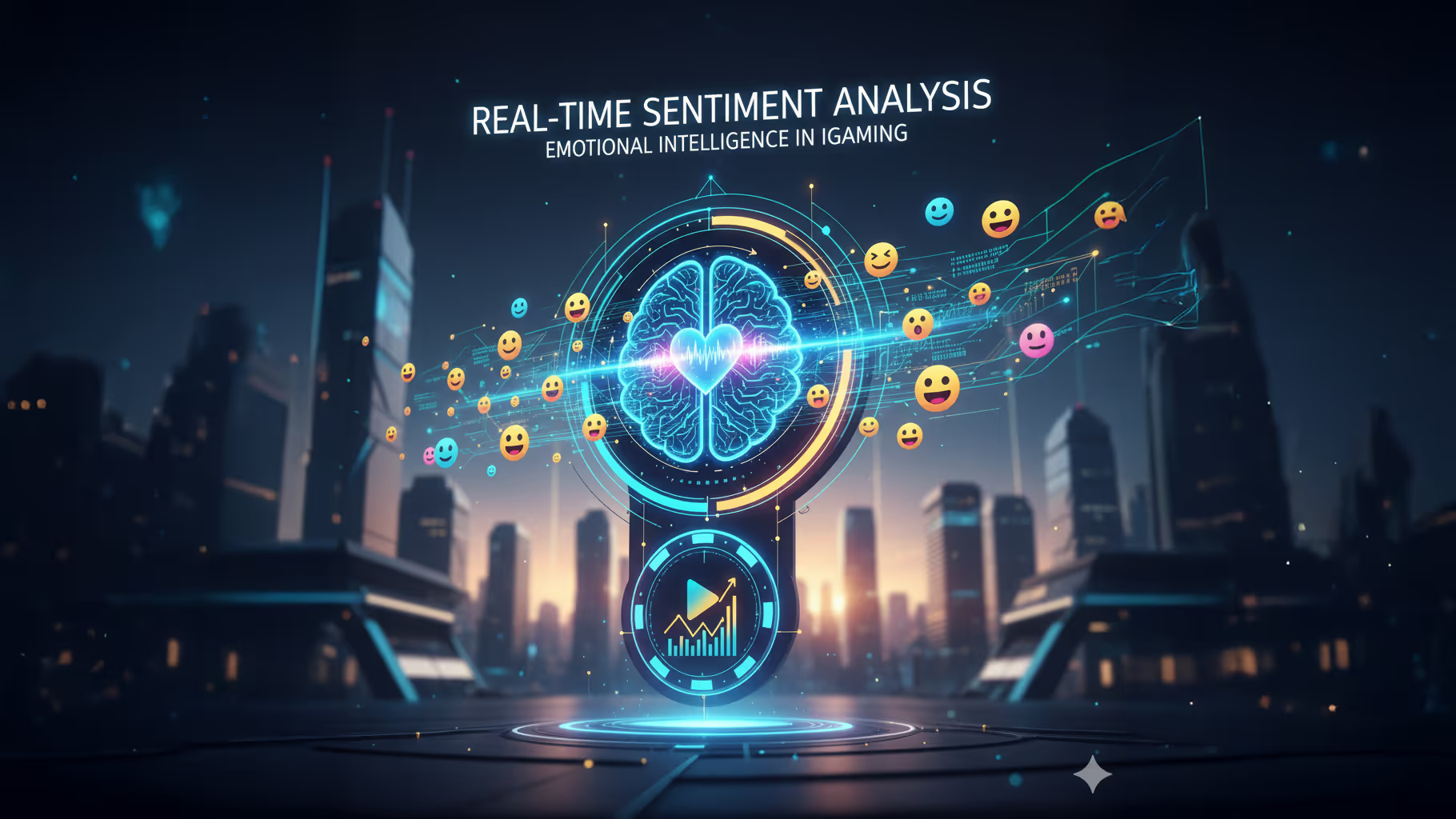
Imagine being deep into your favorite slot game, hitting a rough patch with consecutive losses. Your frustration starts building, but before you can spiral into a chasing mentality, the game subtly adjusts to offer a perfectly timed bonus round or switch up the music to something more calming. That’s what emotional intelligence powered by real-time sentiment analysis is all about.
The iGaming industry has moved far beyond simply tracking what players do. Today's most sophisticated platforms can read how players feel while they play, creating experiences that adapt to emotions as they happen. This technology represents a fundamental shift from reactive to proactive player engagement.
How Sentiment Analysis Transforms the Casino Experience
.avif)
Modern sentiment analysis casino systems work by continuously monitoring multiple emotional indicators. Facial recognition technology captures micro-expressions, voice analysis detects stress patterns, and behavioral tracking identifies frustration signals. These systems process this data in milliseconds, creating what researchers call "emotional fingerprints" of each gaming session.
When a VIP player's facial expression suggests they're becoming agitated after a losing streak, the system might automatically trigger a personalized offer or adjust the game's audiovisual feedback. If voice analysis detects excitement during a winning phase, the platform can amplify that positive momentum with complementary experiences.
{{cta-banner}}
Casino operators using these systems report significant improvements in player retention and satisfaction. The technology helps them identify the precise moments when intervention can prevent player churn or enhance positive experiences.
The Science Behind Emotional AI iGaming

Emotional AI gaming systems rely on sophisticated algorithms that analyze patterns across multiple data streams. These systems examine vocal tone variations, measuring pitch, volume, and speech patterns to identify emotional states. Physiological monitoring adds another layer, tracking heart rate variability, skin conductance, and other biomarkers that reveal arousal levels.
High-engagement players display distinct physiological signatures during different phases of play. When experiencing wins, players show increased heart rate and elevated skin conductance. During losing streaks, different patterns emerge – ones that emotional AI systems can detect and respond to appropriately.
The most advanced systems combine these inputs with gameplay behavior analysis. Rapid-fire betting, longer session durations, or changes in bet sizing all provide emotional context that elevate the accuracy of sentiment detection.
Mood Detection in Real-World Applications
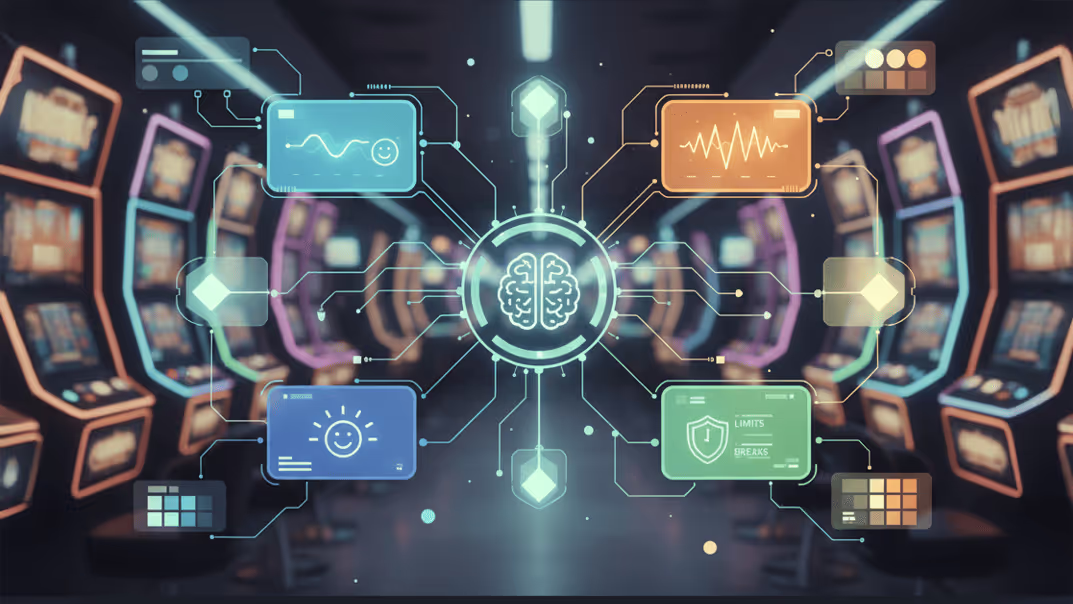
Mood detection gambling technology has already shown impressive results across various gaming environments. IGT's research into mood detection systems demonstrated that real-time emotional monitoring could predict player satisfaction with remarkable accuracy. Their system successfully identified emotional states and triggered appropriate responses to enhance player experiences.
The applications extend beyond just bonus triggers. Some platforms use mood detection to customize everything from game recommendations to user interface colors. A player showing signs of frustration might see their game environment shift to more calming blue tones, while an excited player could experience more vibrant, energizing visuals.
These systems also play a crucial role in responsible gaming initiatives. By detecting emotional patterns associated with problem behavior, platforms can intervene before harmful patterns develop. When mood analysis indicates a player may be chasing losses, the system can suggest breaks or set session limits automatically.
Technical Implementation and Integration

Modern sentiment analysis implementations require sophisticated infrastructure capable of processing multiple data streams simultaneously. These systems typically combine computer vision algorithms for facial analysis, natural language processing for voice sentiment, and machine learning models for behavioral pattern recognition.
The most successful implementations use what researchers call "multimodal fusion", which combines visual, auditory, and behavioral data to create comprehensive emotional profiles. This approach significantly improves accuracy compared to single-source analysis methods.
Real-time processing demands substantial computational resources. Many operators use cloud-based AI services that can scale processing power based on player volume. This ensures consistent performance during peak hours when thousands of players might be active simultaneously.
Privacy and Ethical Considerations

The implementation of emotional AI gaming raises important questions about player privacy and consent. Leading operators have developed comprehensive frameworks that prioritize transparency while maximizing the benefits of emotional intelligence.
Most systems allow players to opt out of emotional monitoring while still enjoying the gaming experience. Others provide detailed explanations of how emotional data is collected and used, building trust through transparency.
The technology also includes safeguards against manipulation. Rather than exploiting emotional vulnerabilities, well-designed systems focus on enhancing positive experiences and promoting healthier gaming patterns.
Future Developments in Sentiment Analysis Technology

The next generation of sentiment analysis casino technology promises even more sophisticated capabilities. Researchers are developing systems that can predict emotional trajectories – anticipating how a player's mood might evolve based on current indicators.
Advanced biometric integration is expanding beyond basic physiological monitoring. New systems can analyze micro-movements, eye tracking patterns, and even subtle changes in posture to build comprehensive emotional profiles.
Machine learning improvements are making these systems more personalized over time. As they gather more data about individual players, they become increasingly accurate at predicting emotional responses and customizing interventions.
The Business Impact of Emotional Intelligence

Operators implementing sophisticated sentiment analysis report measurable improvements across key metrics. Player retention rates increase as systems become better at identifying and addressing frustration before it leads to churn.
The technology also enhances marketing effectiveness. By understanding the emotional context of player behavior, operators can time promotional offers more effectively and create messaging that resonates with current player moods.
Revenue optimization becomes more sophisticated when emotional data is integrated with traditional analytics. Systems can identify the optimal moments for upselling premium features or suggesting higher-stakes games based on emotional readiness.
Smartico.ai: The Leader in Unified Gamification and CRM Automation
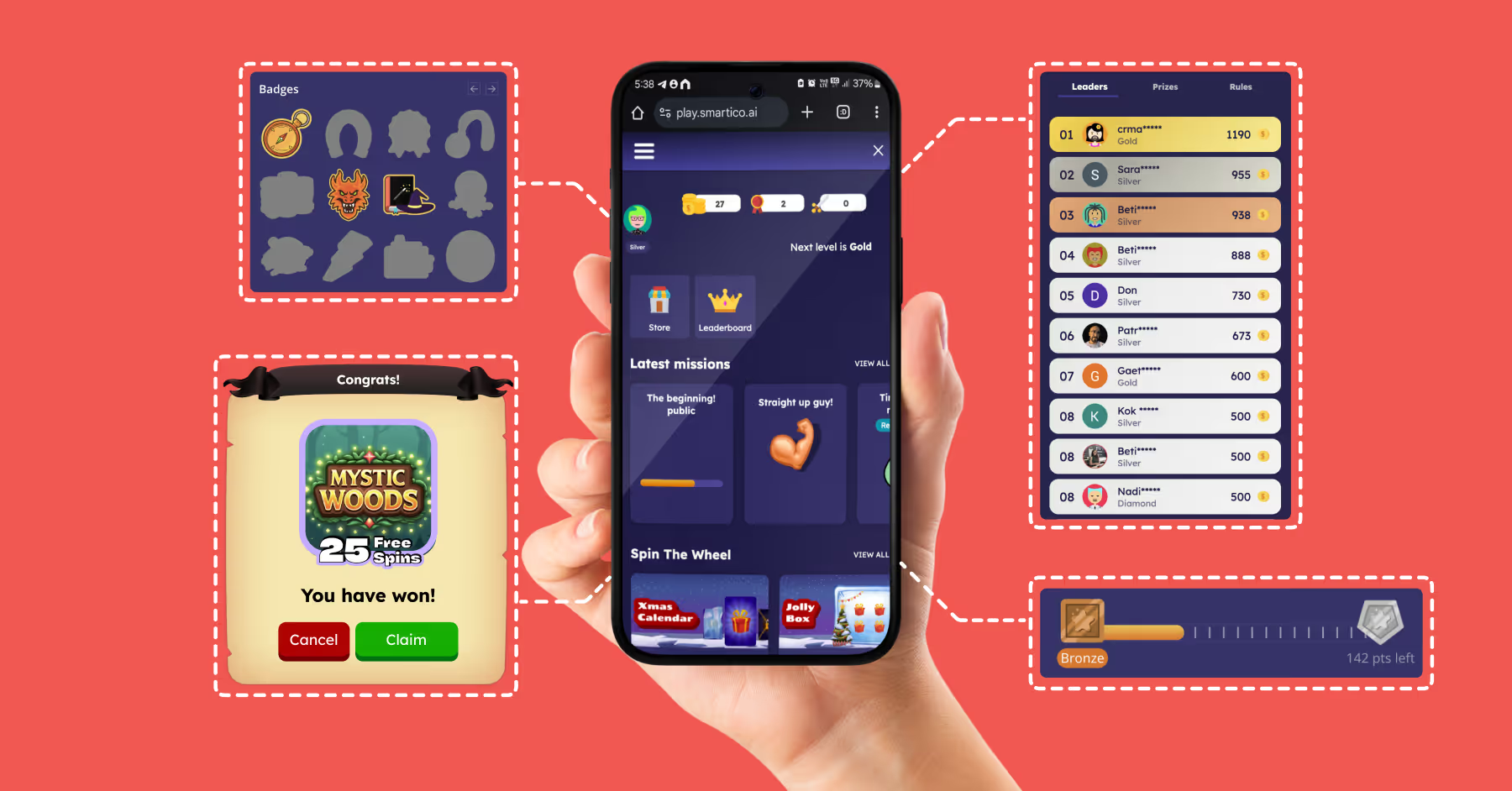
Smartico.ai stands as the industry's first truly unified Gamification and CRM Automation software. Founded in 2018 and headquartered in Sofia, Bulgaria, the company has revolutionized how iGaming operators engage with their players through emotional intelligence and real-time personalization.
The solution combines advanced AI-driven sentiment analysis with comprehensive gamification tools, creating experiences that adapt to player emotions while driving engagement and loyalty. Smartico's system processes emotional indicators in real-time, automatically adjusting rewards, game recommendations, and communication strategies based on detected player moods and behaviors.
What sets Smartico apart is its integration of multiple emotional intelligence technologies within a single platform. The system analyzes behavioral patterns, engagement metrics, and player communication to create detailed emotional profiles that inform every aspect of the gaming experience. This approach has helped operators increase player lifetime value while maintaining responsible gaming standards.
Want to see it in action? Book your free, in-depth demo below.
{{cta-banner}}
Frequently Asked Questions

1. How accurate is sentiment analysis in detecting player emotions?
Current systems achieve accuracy rates of 80-90% when combining multiple data sources like facial recognition, voice analysis, and behavioral patterns. The accuracy continues to improve as machine learning algorithms process more data over time.
2. Can players opt out of emotional monitoring systems?
Yes, most reputable operators provide clear opt-out options for emotional monitoring while still allowing full access to gaming features. Players can typically adjust these settings in their account preferences.
3. What types of data do sentiment analysis systems collect?
These systems primarily analyze facial expressions, voice patterns, gameplay behavior, session duration, betting patterns, and response times. They focus on behavioral indicators rather than personal information.
4. How quickly do sentiment analysis systems respond to emotional changes?
Modern systems process emotional data in real-time, typically responding within seconds of detecting significant emotional shifts. This rapid response enables timely interventions and experience adjustments.
5. Do these systems replace human customer support?
No, sentiment analysis enhances rather than replaces human support. The technology helps identify when human intervention might be needed and provides support agents with emotional context to improve their interactions.
6. What safeguards prevent the misuse of emotional data?
Leading platforms implement strict data protection measures, transparent consent processes, and ethical guidelines that prioritize player wellbeing over profit maximization. Regular audits ensure compliance with privacy regulations.
7. How does sentiment analysis improve responsible gaming efforts?
By detecting emotional patterns associated with problem behavior, these systems can trigger automatic interventions like session limits, cooling-off periods, or referrals to support resources before harmful patterns develop.
8. Can sentiment analysis work across different cultural backgrounds?
Advanced systems are trained on diverse datasets to recognize emotional expressions across various cultural contexts, though accuracy may vary. Continuous learning helps improve cross-cultural recognition over time.
Final Words
Real-time sentiment analysis represents a fundamental evolution in how we understand and serve players in the digital age. By reading emotional cues and responding appropriately, these systems create more engaging, satisfying, and responsible gaming experiences.
As the technology continues to advance, we can expect even more sophisticated applications that blur the line between human intuition and artificial intelligence, ultimately creating gaming environments that truly understand and care for their players.
Did you find this article helpful? If so, consider sharing it with other industry professionals such as yourself.