


Juegos multisensoriales: integración de la retroalimentación háptica, el aroma y la temperatura en los casinos en línea
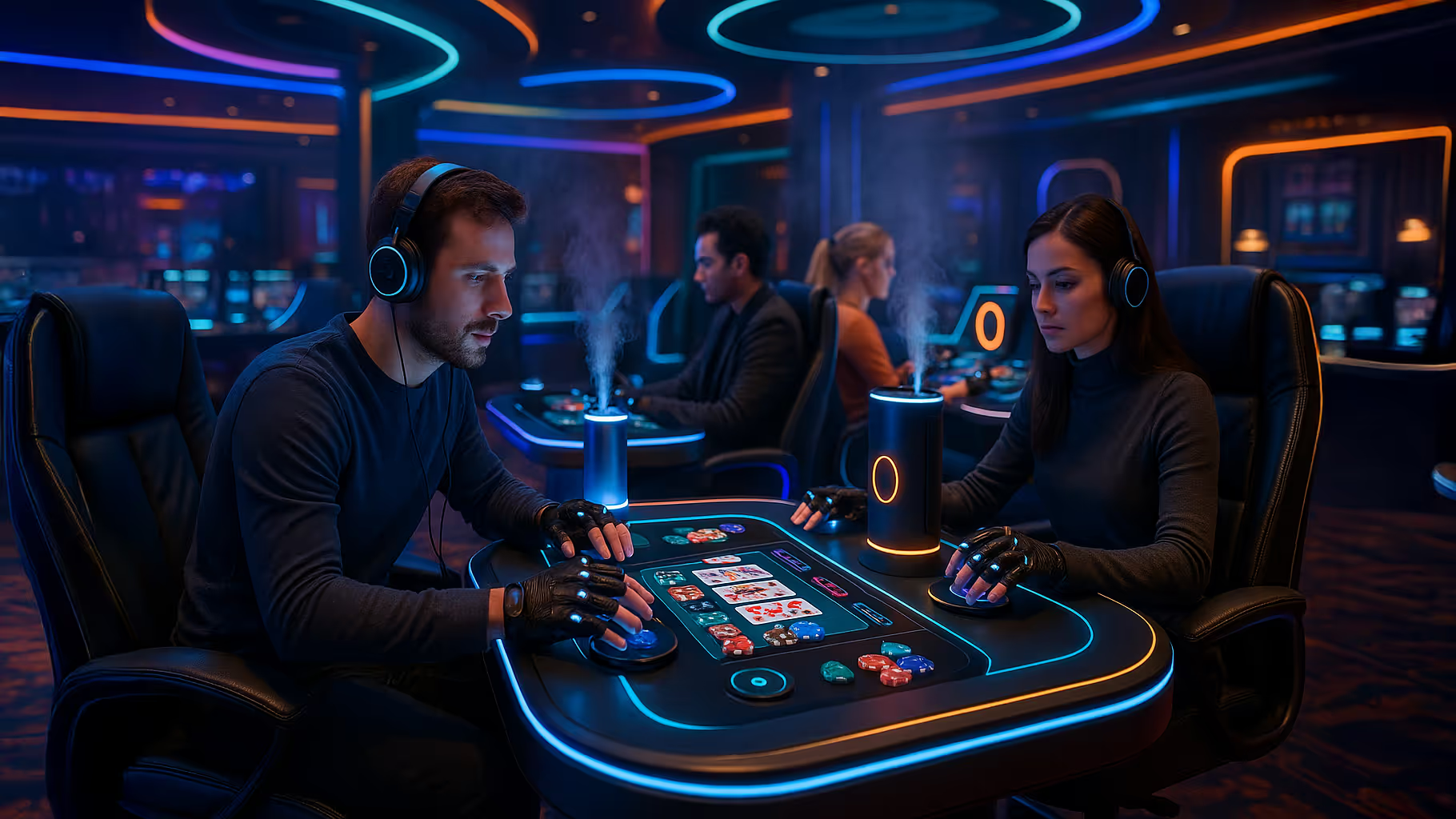
El mundo del iGaming se ha vuelto mucho más interesante. Imagina hacer girar una máquina tragaperras en línea y sentir el chasquido de los carretes, oler el suelo del casino e incluso sentir la sensación de calor cuando estás haciendo ruido gana el premio gordo. De eso se trata la tecnología de juegos multisensorial: llevar el tacto, el olor y la temperatura a la pantalla, y está a punto de cambiarlo todo.
La mejor parte es que esta tecnología finalmente se está volviendo asequible para los consumidores habituales. Lo que antes costaba miles de dólares ahora aparece en los dispositivos de uso diario, y los operadores inteligentes están descubriendo cómo convertir estas experiencias sensoriales en una participación desenfrenada de los jugadores.
¿Qué hace que los juegos multisensoriales sean tan atractivos?

¿Recuerdas cuando los controladores vibratorios parecían revolucionarios? Eso fue solo el principio. Los juegos multisensoriales actuales combinan la retroalimentación háptica, la tecnología digital de aromas y la simulación de temperatura para crear experiencias que parecen genuinamente reales.
La tecnología háptica ha recorrido un largo camino desde los simples paquetes de ruido. Los sistemas modernos pueden simular diferentes texturas, resistencias e incluso pesos. Es posible que el mando te permita sentir la diferencia entre seda y papel de lija en un mundo virtual. Los guantes y trajes táctiles avanzados pueden hacer que sientas las gotas de lluvia, los impactos de las espadas o el retroceso al disparar un arma.
La tecnología digital de aromas lleva la inmersión aún más lejos. Los dispositivos especializados pueden liberar aromas precisos que coinciden con lo que ocurre en la pantalla. ¿Caminando por un bosque virtual? Olerás agujas de pino y tierra húmeda. ¿Explorar una panadería en un juego? El aroma del pan fresco inunda el aire. Esta tecnología utiliza sistemas de liberación controlada que pueden cambiar entre cientos de aromas diferentes al instante.
La simulación de temperatura puede sonar el más futurista, pero es sorprendentemente inteligente. En lugar de utilizar elementos calefactores que tardan una eternidad en calentarse, estos sistemas utilizan aromas que engañan al cerebro para que sienta calor o frío. La capsaicina crea sensaciones de calor, mientras que el eucaliptol hace que te sientas fresco. El efecto se produce casi al instante, perfecto para juegos de ritmo rápido.
La tecnología detrás de la inmersión sensorial
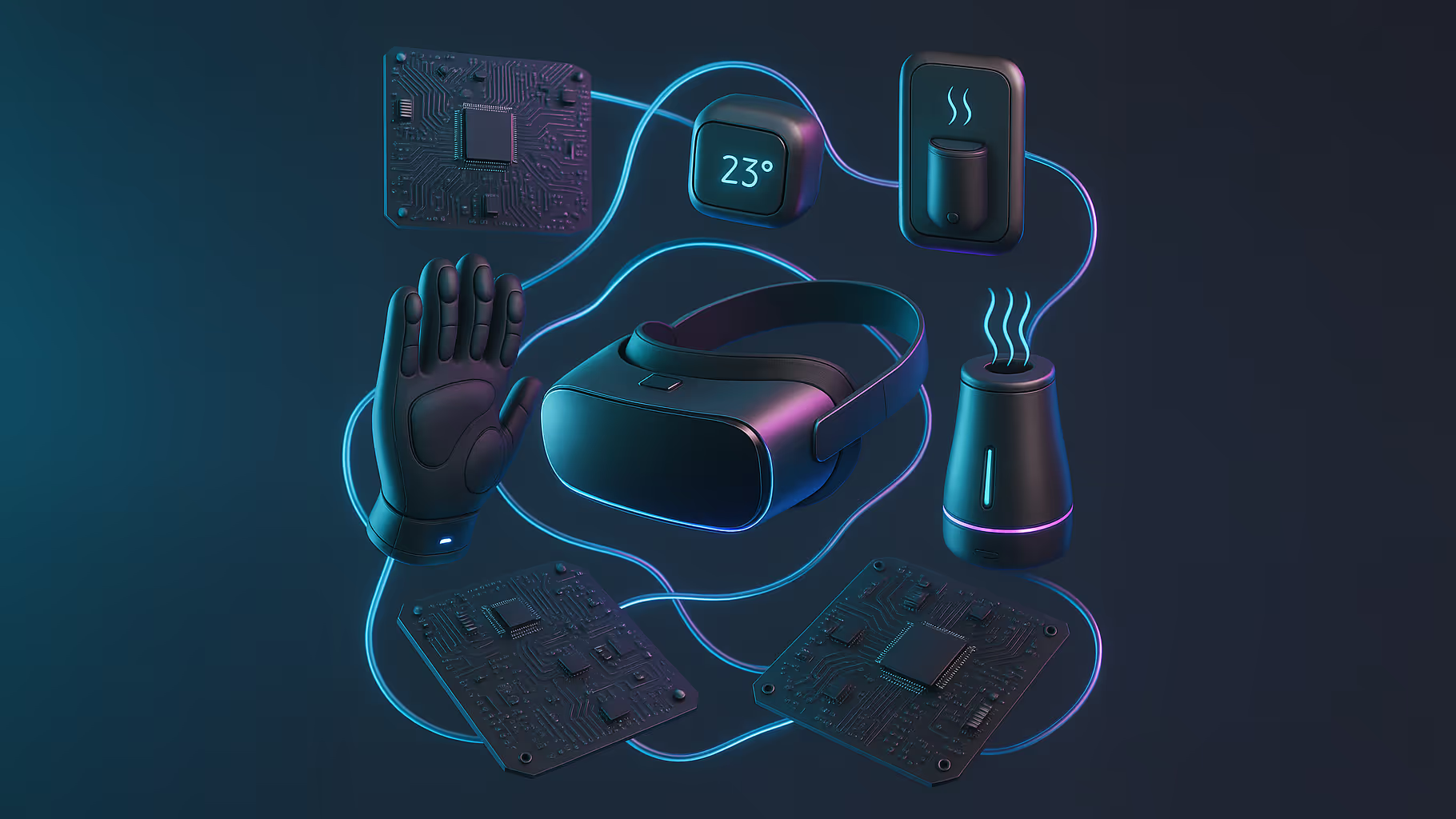
La retroalimentación háptica se vuelve precisa
Los sistemas hápticos modernos utilizan múltiples tipos de retroalimentación para crear sensaciones realistas. La retroalimentación vibrotáctil utiliza vibraciones precisas para simular texturas e impactos. La retroalimentación de fuerza resiste físicamente tus movimientos para simular el peso y la resistencia. La tecnología háptica ultrasónica puede incluso crear la sensación de tocar objetos en el aire sin ningún contacto físico.
El mando DualSense de PlayStation 5 muestra lo sofisticada que se ha vuelto esta tecnología. Sus activadores adaptables cambian la resistencia en función de lo que hagas en el juego. Dibujar un arco es diferente al acelerar un auto, y ambos se sienten diferentes al apretar el gatillo. Los motores hápticos del mando pueden simular cualquier cosa, desde caminar sobre diferentes superficies hasta la sensación específica de las diferentes armas.
La tecnología de aromas se vuelve digital
Los dispositivos aromáticos digitales contienen cartuchos llenos de diferentes compuestos aromáticos. Cuando un juego requiere un olor específico, el dispositivo libera cantidades precisas de estos compuestos en el aire. Los sistemas avanzados pueden mezclar varios aromas para crear aromas complejos, al igual que cuando se mezclan colores de pintura.
El dispositivo GameScent se encuentra junto a tu configuración de juego y usa la IA para detectar lo que sucede en tu juego. Cuando reconoce una escena forestal, desprende aromas florales y terrosos. Detecta los disparos y percibirás aromas metálicos y ahumados. El sistema funciona con los juegos existentes sin necesidad de una programación especial.
Temperatura a través de la química
Los sistemas de temperatura más innovadores no utilizan calefacción y refrigeración tradicionales. En su lugar, utilizan compuestos químicos que activan los receptores de temperatura de la piel. Estas sustancias químicas actúan casi al instante, creando la sensación de calor o frío sin cambiar la temperatura del aire que te rodea.
Los equipos de investigación han desarrollado dispositivos portátiles que pueden transmitir estas sensaciones de temperatura a partes específicas del cuerpo. Una mancha en la mejilla puede hacer que sientas una brisa fresca, mientras que una en la mano puede crear la sensación de tocar algo caliente. El efecto es lo suficientemente convincente como para que el cerebro lo interprete como un cambio real de temperatura.
Por qué esto es importante para los juegos de casino en línea
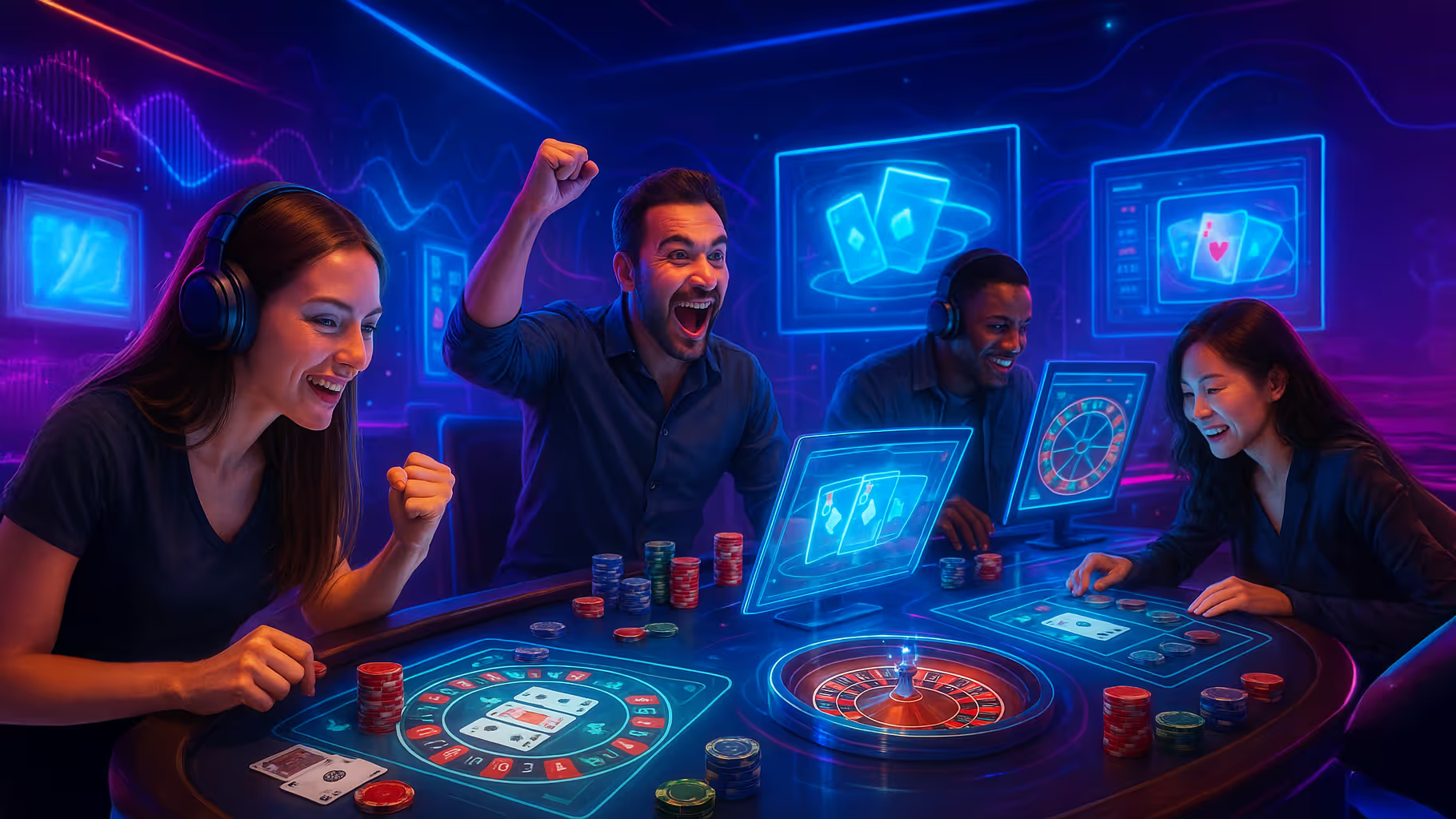
Creando una auténtica atmósfera de casino
Casinos en línea siempre han tenido problemas para igualar el ambiente de las sedes físicas. La tecnología multisensorial cambia esa ecuación por completo. Los jugadores pueden sentir el peso de las fichas virtuales, oler el cuero de las sillas de los casinos y sentir la emoción que se siente al conseguir una gran victoria.
La retroalimentación háptica hace que los carretes de las máquinas tragamonedas vuelvan a parecer mecánicos. En lugar de simplemente ver girar los símbolos en la pantalla, los jugadores sienten cada clic y cada caída. Cuando los cilindros se alinean para llevarse el bote, el mando puede temblar de emoción, creando un momento físico de expectación antes de que aparezca el premio.
La tecnología de aromas puede recrear el olor distintivo de las salas de los casinos, con la sutil combinación de alfombras, aire acondicionado y actividades que hace que cada lugar sea único. Los diferentes juegos pueden provocar aromas diferentes. Las mesas de póquer pueden oler a fieltro y cartas, mientras que las áreas de las tragaperras pueden tener toques de metal y electricidad.
{{cta-banner}}
Mejorar la conexión emocional del jugador
Las experiencias multisensoriales crean respuestas emocionales más fuertes que los juegos audiovisuales tradicionales. Cuando los jugadores pueden sentir físicamente sus victorias y derrotas, el impacto psicológico aumenta drásticamente. Este compromiso más profundo se traduce en sesiones de juego más largas y en una mayor lealtad a plataformas específicas.
La tecnología funciona especialmente bien para crear momentos memorables en torno a grandes triunfos. Imagina ganar un bote progresivo y no solo ver y escuchar la celebración, sino sentir la emoción a través de una retroalimentación táctil mientras percibes el aroma del éxito. Estas celebraciones multisensoriales se convierten en experiencias inolvidables que los jugadores quieren repetir.
La retroalimentación de temperatura puede mejorar el viaje emocional de las sesiones de juego. El aumento de la tensión puede ir acompañado de un ligero escalofrío, mientras que las grandes victorias crean una sensación cálida y satisfactoria. Estas sutiles señales físicas refuerzan las recompensas psicológicas del juego sin resultar obvias ni distraer.
CRM multisensorial: el siguiente nivel de participación de los jugadores

Perfiles sensoriales personalizados
Sistemas CRM inteligentes están aprendiendo a integrar la retroalimentación multisensorial en las experiencias personalizadas de los jugadores. Al igual que las plataformas aprenden tus preferencias de juego y tus patrones de apuestas, también pueden descubrir tus preferencias sensoriales. Es posible que algunos jugadores disfruten de una fuerte retroalimentación háptica, mientras que otros prefieren las señales aromáticas sutiles.
Estos sistemas pueden ajustar la producción sensorial en función del comportamiento del jugador y los patrones de participación. Los jugadores más valiosos pueden recibir experiencias multisensoriales más intensas durante sus sesiones, mientras que los jugadores ocasionales reciben comentarios más amables que no abruman su experiencia de juego.
Las plataformas de CRM pueden incluso utilizar la retroalimentación sensorial para las campañas de retención. Un jugador inactivo que regrese a la plataforma puede recibir un perfil olfativo de bienvenida o un suave saludo háptico. Estos pequeños detalles crean conexiones emocionales que las campañas de correo electrónico tradicionales simplemente no pueden igualar.
Participación en tiempo real a través de los sentidos
El CRM multisensorial abre nuevas posibilidades para la participación de los jugadores en tiempo real. En lugar de confiar únicamente en los mensajes emergentes o las notificaciones por correo electrónico, las plataformas pueden utilizar las sensaciones físicas para comunicarse con los jugadores durante sus sesiones.
Un pulso háptico suave puede indicar que hay una bonificación disponible, mientras que un aroma específico podría indicar que un amigo se ha unido a la plataforma. Estas notificaciones sensoriales parecen naturales y no intrusivas, y mantienen a los jugadores informados sin interrumpir su flujo de juego.
La tecnología también permite nuevas formas de reconocimiento de logros. Alcanzar un nuevo nivel de lealtad puede provocar una celebración que combine comentarios visuales, auditivos y físicos. Completar los desafíos diarios podría liberar aromas agradables asociados con el éxito y los logros.
Recopilación de datos a través de la respuesta sensorial
Los sistemas multisensoriales proporcionan nuevos tipos de datos de los jugadores a los que las plataformas tradicionales no pueden acceder. La intensidad con la que los jugadores responden a los diferentes patrones táctiles, los aromas que prefieren y la forma en que los cambios de temperatura afectan a su comportamiento de juego son información valiosa.
Estos datos sensoriales pueden mejorar las recomendaciones de juegos y la segmentación promocional. Es posible que los jugadores que respondan bien a los aromas naturales y terrosos prefieran las tragaperras con temática natural, mientras que los que disfrutan de una intensa retroalimentación táctil podrían preferir juegos repletos de acción.
La combinación de los datos de comportamiento tradicionales con las preferencias sensoriales crea perfiles de jugador increíblemente detallados. Estos perfiles permiten disfrutar de experiencias hiperpersonalizadas que los jugadores sienten casi mágicas, aunque se basan en un análisis de datos sofisticado y sofisticado.
La revolución asequible de la tecnología sensorial
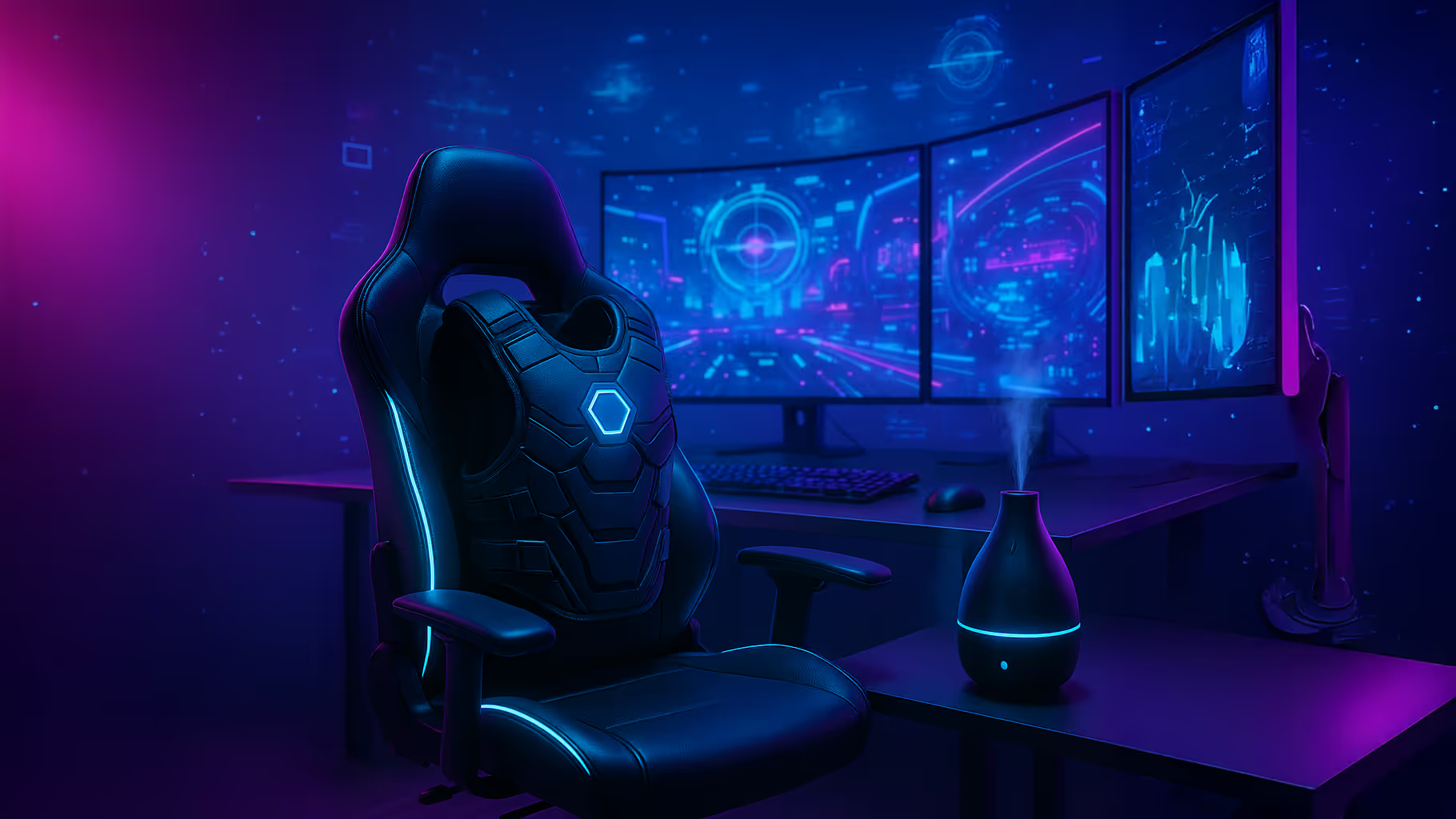
Llega el hardware apto para el consumidor
El tecnología háptica El mercado alcanzó los 4.300 millones de dólares en 2024 y sigue creciendo a medida que se expanden las aplicaciones de consumo. Los teléfonos inteligentes incluyen sistemas hápticos sofisticados, y los accesorios para juegos están siguiendo su ejemplo. Lo que antes requería un equipo industrial caro ahora cabe en dispositivos que cuestan cientos en lugar de miles de dólares.
Empresas como Sensit han desarrollado sistemas hápticos para el consumidor que funcionan con las plataformas de juego existentes. Su Feelbelt utiliza varios actuadores para crear experiencias táctiles para todo el cuerpo por menos de 300 dólares, lo que hace que los jugadores habituales tengan acceso a comentarios de nivel profesional.
Los dispositivos aromáticos digitales siguen una trayectoria de precios similar. Los primeros sistemas costaban decenas de miles de dólares, pero las versiones para consumidores ahora se venden por menos de 200 dólares. Estos dispositivos asequibles pueden producir cientos de aromas diferentes e integrarse con los juegos y aplicaciones existentes.
La integración se convierte en estándar
Las principales compañías de juegos están incorporando soporte multisensorial directamente en sus plataformas. Sony mostró entornos sensoriales de 360 grados en ferias tecnológicas recientes, mientras que las empresas más pequeñas están creando dispositivos plug-and-play que funcionan con cualquier configuración de juego.
El proceso de integración se está volviendo invisible para los usuarios. En lugar de requerir una configuración compleja o conocimientos técnicos, los dispositivos sensoriales modernos se conectan automáticamente y comienzan a mejorar las experiencias de inmediato. Esta facilidad de uso es crucial para la adopción generalizada en el espacio del iGaming.
Están surgiendo sistemas sensoriales basados en la nube que no requieren ningún hardware especial. Estas plataformas utilizan la vibración de los teléfonos inteligentes, los efectos de pantalla e incluso los dispositivos domésticos inteligentes para crear experiencias multisensoriales utilizando equipos propios de los jugadores.
Estrategias de implementación para operadores de iGaming

Comenzar con la mejora háptica
Los operadores que buscan agregar elementos sensoriales deben comenzar con la retroalimentación háptica, ya que requiere menos hardware adicional. La mayoría de los jugadores tienen controladores o teléfonos inteligentes con capacidad háptica, lo que lo convierte en el punto de entrada más fácil.
Los patrones hápticos simples pueden mejorar los juegos existentes sin requerir cambios importantes en el desarrollo. Las máquinas tragamonedas pueden usar diferentes patrones de vibración para diferentes símbolos, mientras que los juegos de cartas pueden proporcionar información táctil para repartir y barajar.
La mejora progresiva permite a los operadores probar la respuesta del jugador antes de invertir en sistemas sensoriales más complejos. Si la retroalimentación háptica aumenta la interacción y la retención, los operadores pueden avanzar con confianza hacia la integración del aroma y la temperatura.
Creación de programas de fidelización sensorial
Las experiencias multisensoriales funcionan especialmente bien como beneficios del programa de fidelización. Los jugadores VIP pueden desbloquear perfiles olfativos exclusivos o una retroalimentación háptica mejorada que no están disponibles para los jugadores habituales. Estas ventajas sensoriales dan la impresión de ser lujosas y exclusivas sin que los operadores cuesten mucho dinero.
Los temas sensoriales de temporada pueden mantener los programas de fidelización frescos y atractivos. Los aromas navideños, los efectos de la temperatura del verano o los patrones táctiles especiales para los eventos importantes son motivos recurrentes para que los jugadores regresen y se entretengan.
Las recompensas sensoriales basadas en los logros dan a los jugadores nuevos objetivos que perseguir. Desbloquear nuevas colecciones de aromas o patrones hápticos se convierte en su propia forma de progresión, independientemente de los sistemas de puntos tradicionales.
Medición del impacto sensorial
Los operadores necesitan nuevas métricas para entender cómo las mejoras sensoriales afectan al comportamiento de los jugadores. Las medidas tradicionales, como la duración de las sesiones y el tamaño de la apuesta, siguen siendo importantes, pero los sistemas sensoriales permiten hacer un seguimiento de la profundidad de la interacción y la respuesta emocional.
El mapeo de calor para las preferencias sensoriales puede revelar qué combinaciones funcionan mejor para los diferentes segmentos de jugadores. Es posible que algunos grupos demográficos respondan mejor a la mejora del aroma, mientras que otros prefieren la retroalimentación táctil.
Pruebas A/B se vuelve más complejo pero también más revelador cuando están involucrados elementos sensoriales. Los operadores pueden probar no solo diferentes ofertas promocionales, sino también diferentes experiencias sensoriales que acompañan a esas ofertas para optimizar la experiencia completa.
Consideraciones técnicas y mejores prácticas
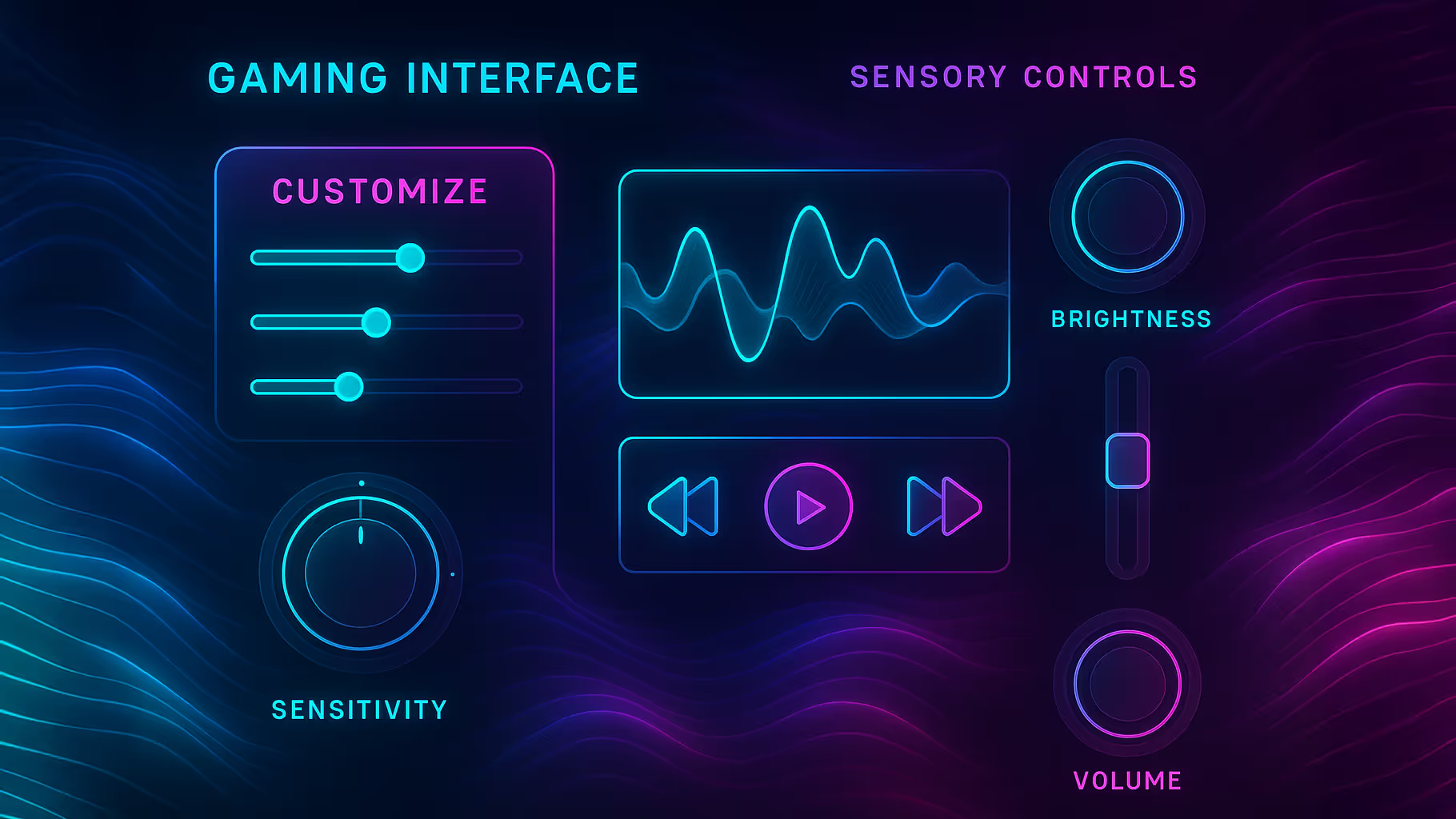
Equilibrar la intensidad y la comodidad
La mejora multisensorial puede resultar abrumadora fácilmente si no se calibra cuidadosamente. Los jugadores necesitan controlar la intensidad y el tipo de retroalimentación sensorial que reciben, con opciones para personalizar o deshabilitar las funciones que no les atraigan.
La tolerancia individual varía significativamente en cuanto a la información sensorial. Lo que resulta atractivo para un jugador puede distraer o resultar incómodo para otro. Las implementaciones exitosas incluyen controles granulares que permiten a los jugadores afinar su experiencia sensorial.
La fatiga sensorial es una preocupación real durante las sesiones de juego prolongadas. Los sistemas deben variar su rendimiento para mantener la eficacia sin volverse repetitivos o molestos. Los cambios sutiles en la intensidad y el patrón mantienen las sensaciones frescas durante largas sesiones.
Integración con los sistemas existentes
Los sistemas sensoriales modernos deben funcionar sin problemas con las plataformas de iGaming actuales sin requerir cambios importantes en la infraestructura. La integración basada en API permite a los operadores agregar funciones sensoriales sin tener que reconstruir sus sistemas principales.
El procesamiento sensorial basado en la nube puede gestionar la carga computacional sin sobrecargar los servidores de juegos. Este enfoque distribuido garantiza que las mejoras sensoriales no afecten al rendimiento ni a la fiabilidad del juego.
La compatibilidad multiplataforma garantiza que las funciones sensoriales funcionen independientemente de si los jugadores utilizan ordenadores de sobremesa, tabletas o teléfonos inteligentes. Las experiencias sensoriales unificadas en todos los dispositivos mantienen la coherencia y satisfacción del jugador.
El futuro de los juegos multisensoriales

Personalización sensorial basada en inteligencia artificial
Inteligencia artificial está empezando a optimizar las experiencias sensoriales en tiempo real en función de las respuestas de los jugadores. Estos sistemas aprenden las preferencias individuales y ajustan automáticamente la retroalimentación táctil, olfativa y térmica para maximizar la interacción.
Los sistemas sensoriales predictivos anticiparán las necesidades del jugador antes de que se expresen. Si un jugador suele disfrutar de una respuesta háptica más intensa durante las sesiones nocturnas, el sistema se ajustará automáticamente sin necesidad de realizar cambios manuales.
El reconocimiento del estado emocional a través de patrones de juego podría desencadenar respuestas sensoriales apropiadas. Los jugadores frustrados pueden recibir aromas relajantes, mientras que los jugadores entusiasmados reciben una respuesta háptica mejorada durante la celebración.
Ampliando el vocabulario sensorial
Los sistemas multisensoriales actuales se centran en las sensaciones básicas, pero los desarrollos futuros crearán experiencias más matizadas. En lugar de simplemente sentir calor y frío, los jugadores pueden sentir temperaturas específicas, como la brisa de verano o las heladas de invierno.
Las bibliotecas de aromas se ampliarán más allá de las categorías básicas para incluir aromas complejos y de marca. Los casinos individuales podrían desarrollar perfiles aromáticos exclusivos que los jugadores asocien específicamente con sus plataformas.
La complejidad háptica aumentará para simular materiales, texturas y propiedades de objetos específicos. Los jugadores pueden notar la diferencia entre objetos de seda, cuero y metal en entornos virtuales con una precisión extraordinaria.
Adopción y estándares convencionales
Los estándares de la industria para los juegos multisensoriales están empezando a surgir, lo que garantiza la compatibilidad entre los diferentes fabricantes de hardware y plataformas de software. Estos estándares acelerarán la adopción al reducir la complejidad tanto para los operadores como para los jugadores.
La reducción de costos mediante la producción en masa hará que los sistemas sensoriales avanzados sean asequibles para todos los segmentos del mercado. Lo que actualmente sirve a los jugadores premium se convertirá en funciones estándar en todas las plataformas de juego.
La integración con los sistemas domésticos inteligentes ampliará los juegos sensoriales más allá del hardware dedicado. Los altavoces inteligentes, los sistemas de iluminación y el control climático existentes podrían convertirse en parte de la experiencia sensorial de los juegos.
Smartico.ai: Una plataforma unificada preparada para la participación multisensorial
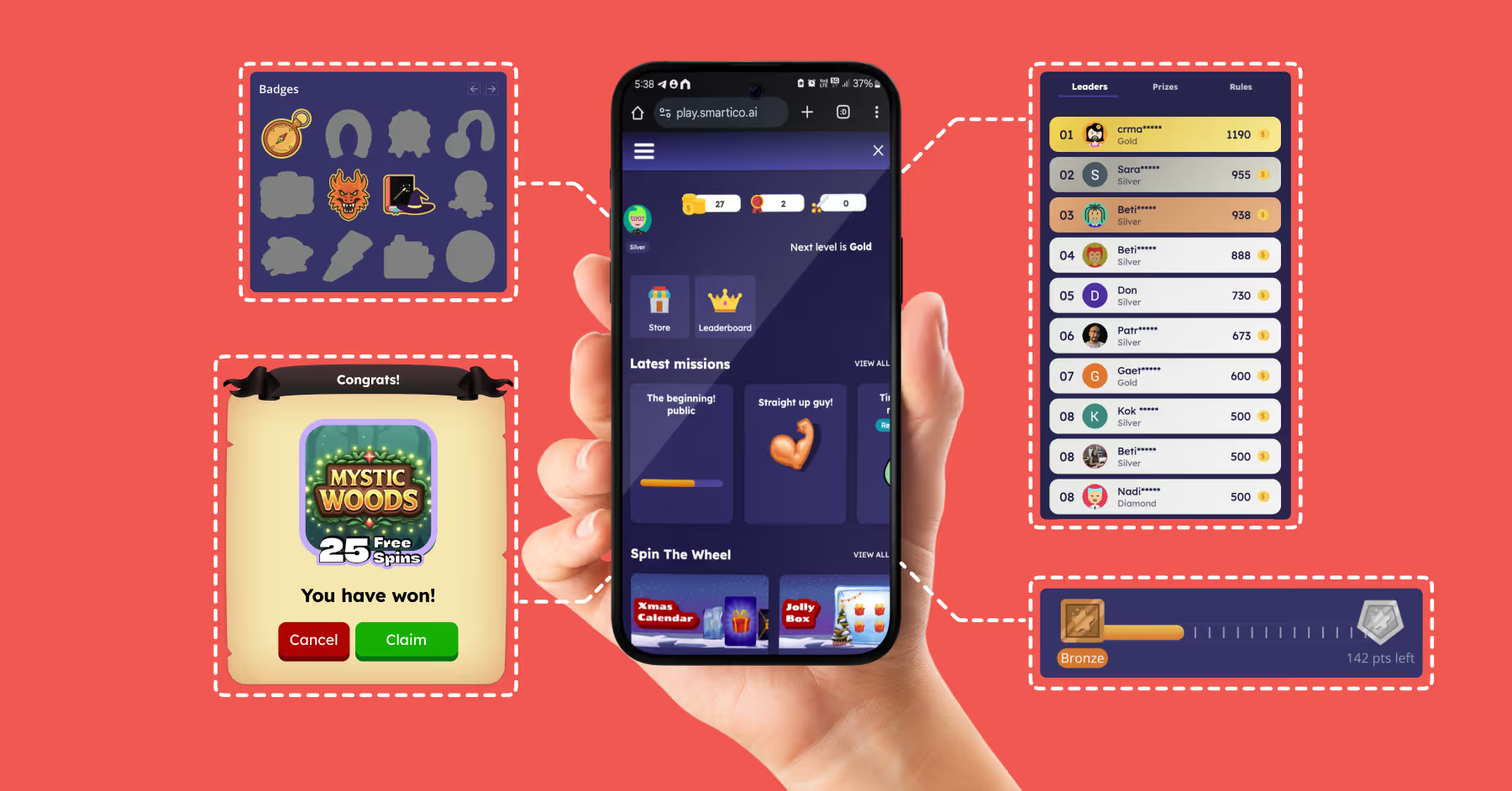
Smartico.ai es el primero y el principal unificado CRM y gamificación solución para iGaming, diseñada para consolidar la gestión de los datos de los clientes y la mecánica de participación en una sola plataforma. Sus capacidades de procesamiento en tiempo real, impulsadas por tecnologías de transmisión de eventos como Kafka, permiten a la plataforma capturar el comportamiento de los jugadores y actuar en consecuencia al instante, creando flujos de trabajo de personalización con gran capacidad de respuesta.
El motor de segmentación avanzado de Smartico admite varios conceptos de segmentación, incluidos los modelos de comportamiento y RFM (reciente, frecuencia, monetario), lo que permite a los operadores crear campañas hiperpersonalizadas en función de la actividad del jugador y la etapa del ciclo de vida. Los modelos predictivos de IA de Smartico.ai permiten predecir la pérdida de clientes y pronosticar el valor de por vida con una precisión líder en el sector, lo que garantiza que las estrategias de interacción sean oportunas y se basen en los datos.
Si bien Smartico.ai actualmente ofrece recompensas digitales como misiones, celebraciones para subir de nivel e hitos de lealtad a través de sus herramientas de gamificación, su arquitectura flexible y su sólido marco de API lo posicionan de manera ideal para la futura integración con tecnologías multisensoriales. Al utilizar flujos de datos en tiempo real y activadores dinámicos de recompensas, los operadores podrían ampliar las campañas existentes para incluir comentarios táctiles, perfiles olfativos y variaciones de temperatura, lo que enriquecería aún más la inmersión de los jugadores sin añadir complejidad al sistema.
Al combinar la automatización unificada de CRM, la personalización en tiempo real y la mecánica de gamificación modular, Smartico.ai ofrece a los operadores una base sólida sobre la que crear experiencias de juego multisensoriales de próxima generación que impulsen la participación y la retención.
{{cta-banner}}
Preguntas frecuentes

¿Qué tan cara es la tecnología de juegos multisensoriales para los consumidores?
La tecnología de juego multisensorial se ha vuelto sorprendentemente asequible. Los controladores hápticos básicos cuestan menos de 100 dólares, los dispositivos aromáticos para consumidores oscilan entre 150 y 300 dólares y los sistemas de simulación de temperatura cuestan alrededor de 200 dólares. Muchos teléfonos inteligentes incluyen sistemas hápticos sofisticados, lo que reduce aún más la barrera de entrada.
¿Puede la tecnología multisensorial funcionar con los juegos de casino en línea existentes?
Sí, los sistemas multisensoriales modernos están diseñados para funcionar con los juegos existentes mediante la integración de software y dispositivos plug-and-play. Muchos sistemas utilizan la inteligencia artificial para reconocer los eventos del juego y activar las respuestas sensoriales adecuadas sin necesidad de modificar el juego.
¿Existen problemas de salud relacionados con los juegos multisensoriales?
La tecnología de juego multisensorial es generalmente segura cuando se usa de manera adecuada. Los usuarios deben controlar los niveles de intensidad y poder desactivar las funciones que causan molestias. Las personas con una sensibilidad específica a los aromas o propensas a marearse deben comenzar con ajustes mínimos.
¿Cómo protegen los sistemas CRM multisensoriales la privacidad de los jugadores?
Los sistemas CRM multisensoriales recopilan datos de preferencias sensoriales, pero esta información normalmente se procesa localmente y se agrega para su análisis. Las plataformas líderes siguen los protocolos estándar de protección de datos y permiten a los jugadores controlar qué datos sensoriales se recopilan y cómo se utilizan.
¿Las funciones multisensoriales agotarán las baterías de los dispositivos más rápido?
Los sistemas multisensoriales modernos están diseñados para la eficiencia energética. Los sistemas hápticos utilizan una potencia mínima, los dispositivos aromáticos funcionan bajo demanda y no de forma continua, y los sistemas de temperatura utilizan reacciones químicas en lugar de elementos calefactores que consumen mucha energía.
¿Qué tan realistas son las experiencias de juego multisensoriales actuales?
La tecnología actual puede crear experiencias sensoriales convincentes dentro de ciertas limitaciones. La retroalimentación háptica parece cada vez más realista, los sistemas olfativos pueden reproducir cientos de aromas distintos y la simulación de temperatura engaña eficazmente al cerebro para que perciba sensaciones de calor y frío. Si bien no son perfectas, las experiencias son lo suficientemente atractivas como para mejorar significativamente la inmersión.
Conclusión
La tecnología de juego multisensorial está transformando los casinos en línea de experiencias visuales a mundos inmersivos que atraen todos los sentidos. A medida que la retroalimentación háptica, los sistemas olfativos y la simulación de temperatura se vuelven más asequibles y accesibles, los operadores con visión de futuro tienen la oportunidad de crear conexiones emocionales más profundas con los jugadores.
La clave radica en una implementación cuidadosa que mejore, en lugar de abrumar, la experiencia de juego. Con plataformas como Smartico.ai que integran estas capacidades sensoriales en estrategias de CRM integrales, el futuro de los juegos en línea promete experiencias extraordinariamente reales y verdaderamente inolvidables.
¿Estás listo para explorar cómo los juegos multisensoriales y la automatización avanzada del CRM pueden transformar tu estrategia de participación de los jugadores? Reserve una demostración completa y gratuita de Smartico.ai y descubra cómo los principales operadores crean experiencias de juego inolvidables que combinan tecnología de vanguardia con estrategias de retención comprobadas.
¿Te ha parecido útil este artículo? Si es así, considera compartirlo con otros profesionales de la industria como tú.
¿Listo para usar Smartico?
Únete a los cientos de empresas de todo el mundo que utilizan Smartico con sus jugadores.