


Behavioral Biometrics: Identifying Players Through Their Unique Gaming Patterns

Imagine every time you pick up your phone to play your favorite iGaming app, you're leaving behind invisible breadcrumbs. Not the kind that advertisers track, but something far more personal: the unique way you tap, swipe, and navigate through the digital world. Your gaming behavior is as distinctive as your fingerprint, and smart operators are finally catching on.
Welcome to the era of behavioral biometrics, where your gaming patterns become your identity card. It may sound like science fiction, but it’s happening right now, changing the way online casinos and gaming platforms understand, protect, and engage their players.
The Evolution Beyond Passwords and PINs
Traditional security feels like using a skeleton key in the age of smart locks. Passwords get stolen, PINs get shared, and two-factor authentication codes arrive too late. Meanwhile, fraudsters have gotten creative, buying complete player profiles on the dark web and walking right through conventional security measures.
Behavioral biometrics changes the game entirely. Instead of asking what you know or what you have, it focuses on who you are based on how you naturally interact with technology. You probably hold your phone a certain way, tap with a specific rhythm, and engage with apps using patterns unique to you.
The technology passively monitors these micro-behaviors during normal gameplay: keystroke timing, mouse movement patterns, screen pressure variations, and even how you naturally pause between actions. These signals create a behavioral signature that's nearly impossible for fraudsters to replicate, even when they have your login credentials.
How Your iGaming Habits Reveal Your Identity

Every gaming session tells a story about who you are. When you play slots, do you tap rapidly in excitement or methodically plan each spin? Do you play poker tables with confident swipes or tentative touches? These behavioral patterns reveal more about player identity than traditional demographics ever could.
Advanced systems now analyze multiple behavioral layers at the same time. Your device handling patterns (how you rotate your phone during gameplay or adjust screen brightness) combine with input methods like copy-paste usage that might suggest automated activity rather than human play. Even environmental cues like your typical playing locations and session durations contribute to your unique behavioral profile.
{{cta-banner}}
Gaming platforms can distinguish between different players sharing the same device by analyzing distinct behavioral signatures. A teenager playing mobile casino games exhibits completely different touch patterns than their parents using the same tablet. These subtle differences become powerful tools for personalization and security without requiring separate accounts or logins.
Real-Time Security That Works
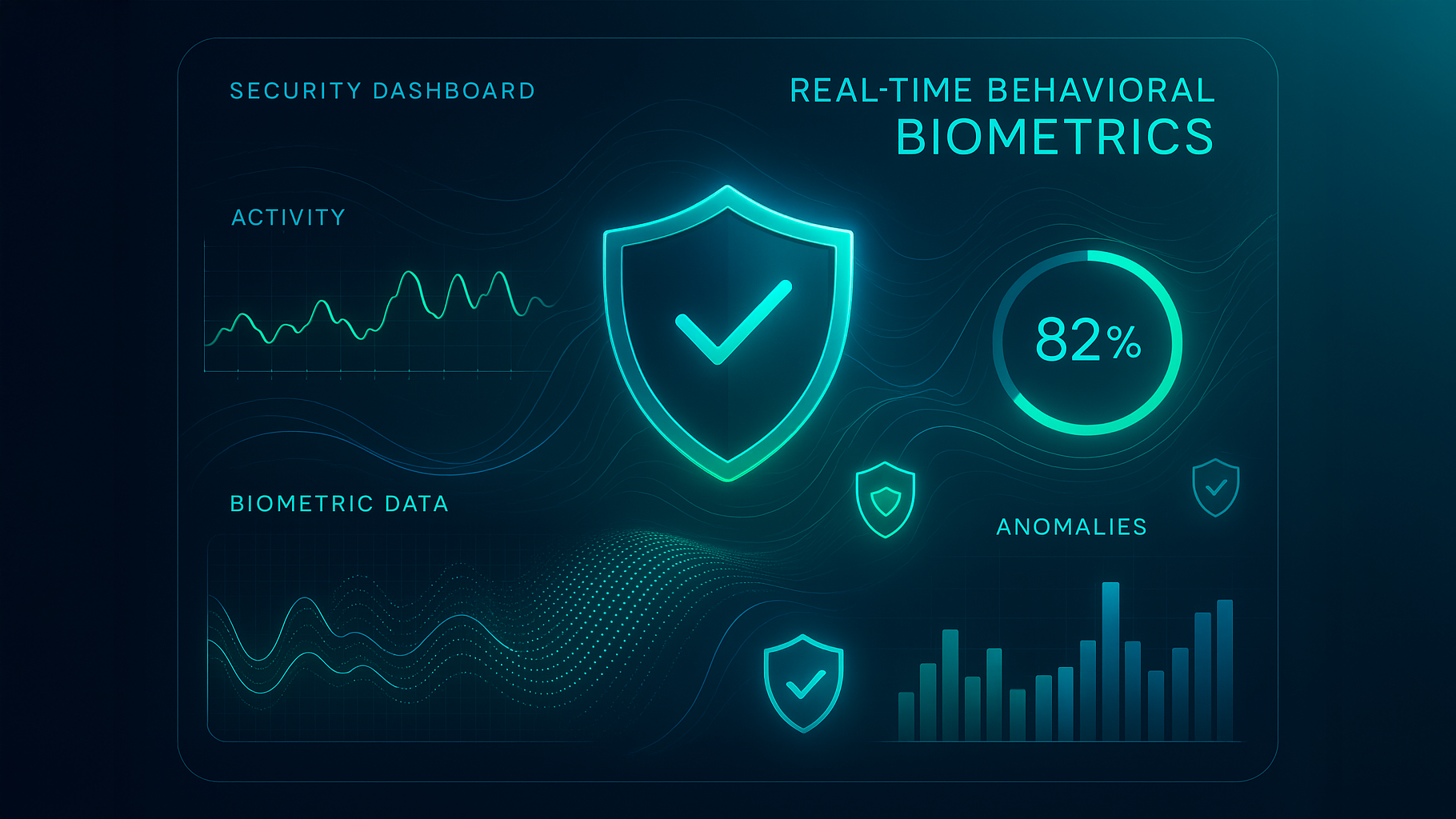
The beauty of behavioral biometrics lies in its continuous operation. While traditional security checks identity at login and then assumes everything's fine, behavioral analysis keeps watching. If someone gains access to your account but plays with different patterns (perhaps typing faster, navigating differently, or showing unusual betting behaviors), the system immediately flags potential fraud.
This continuous monitoring catches account takeovers that conventional security misses entirely. Even when fraudsters have correct passwords and pass initial authentication, they can't mimic the subtle behavioral patterns that define how genuine players naturally interact with gaming platforms.
Gaming companies are seeing remarkable results from this approach. Platforms report significant reductions in fraudulent activity and bonus abuse, while legitimate players experience smoother, more fluid gaming without annoying security interruptions.
Personalization That Understands Player Psychology
Behavioral biometrics turns raw gaming data into actionable player insights. Instead of broad demographic categories, operators can identify specific player types based on behavior: risk-takers who frequently double down, strategic thinkers with deliberate decision-making patterns, or social players who engage heavily with chat features.
This granular understanding enables unprecedented personalization. Players showing fatigue patterns might receive cooldown suggestions or break reminders. High-value players displaying disengagement signals could trigger personalized retention offers before they leave. New players navigating slowly might automatically receive helpful tutorials.
The technology goes beyond simple behavioral observation to predict player preferences and optimal engagement timing. AI models analyze behavioral patterns to determine when individual players are most receptive to promotions, most likely to try new games, or showing early churn signals.
CRM Integration That Makes Sense
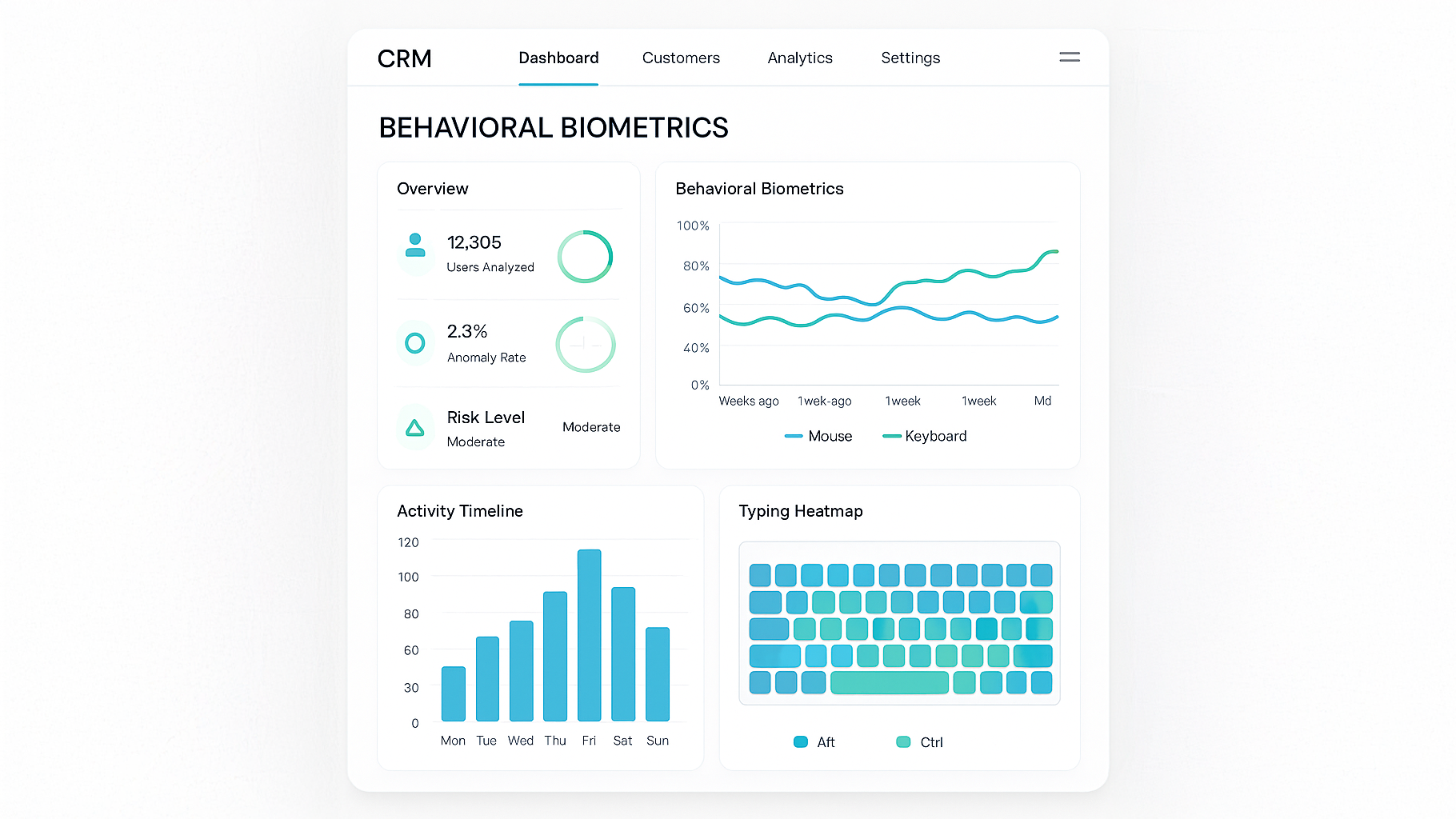
Modern behavioral biometrics doesn't exist in isolation. It integrates smoothly with CRM automation systems to create intelligent player management. When behavioral data feeds directly into CRM platforms, operators gain real-time insights that drive immediate action.
Smart segmentation becomes possible when behavioral patterns supplement traditional demographic data. Instead of grouping players only by spending levels or geographic location, CRM systems can segment based on playing styles, risk tolerance, and engagement preferences revealed through behavioral analysis.
This integration enables automated workflows that respond to behavioral triggers. A player exhibiting unusual betting patterns might automatically enter a responsible gaming workflow, while someone showing high engagement behaviors could receive VIP upgrade considerations.
The Compliance and Trust Factor

Regulatory pressure continues mounting on iGaming operators to demonstrate robust responsible gaming measures and fraud prevention capabilities. Behavioral biometrics addresses both requirements simultaneously while improving player experience rather than hindering it.
The technology helps operators identify problem gambling behaviors early through pattern recognition rather than waiting for players to self-report issues. Erratic betting patterns, rapid deposit attempts, or unusual session lengths can trigger automated interventions before problems escalate.
From a compliance perspective, behavioral biometrics provides auditable evidence of identity verification and fraud prevention efforts. Regulators increasingly recognize these advanced approaches as superior to traditional methods that fraudsters easily circumvent.
Technical Implementation Without the Headaches
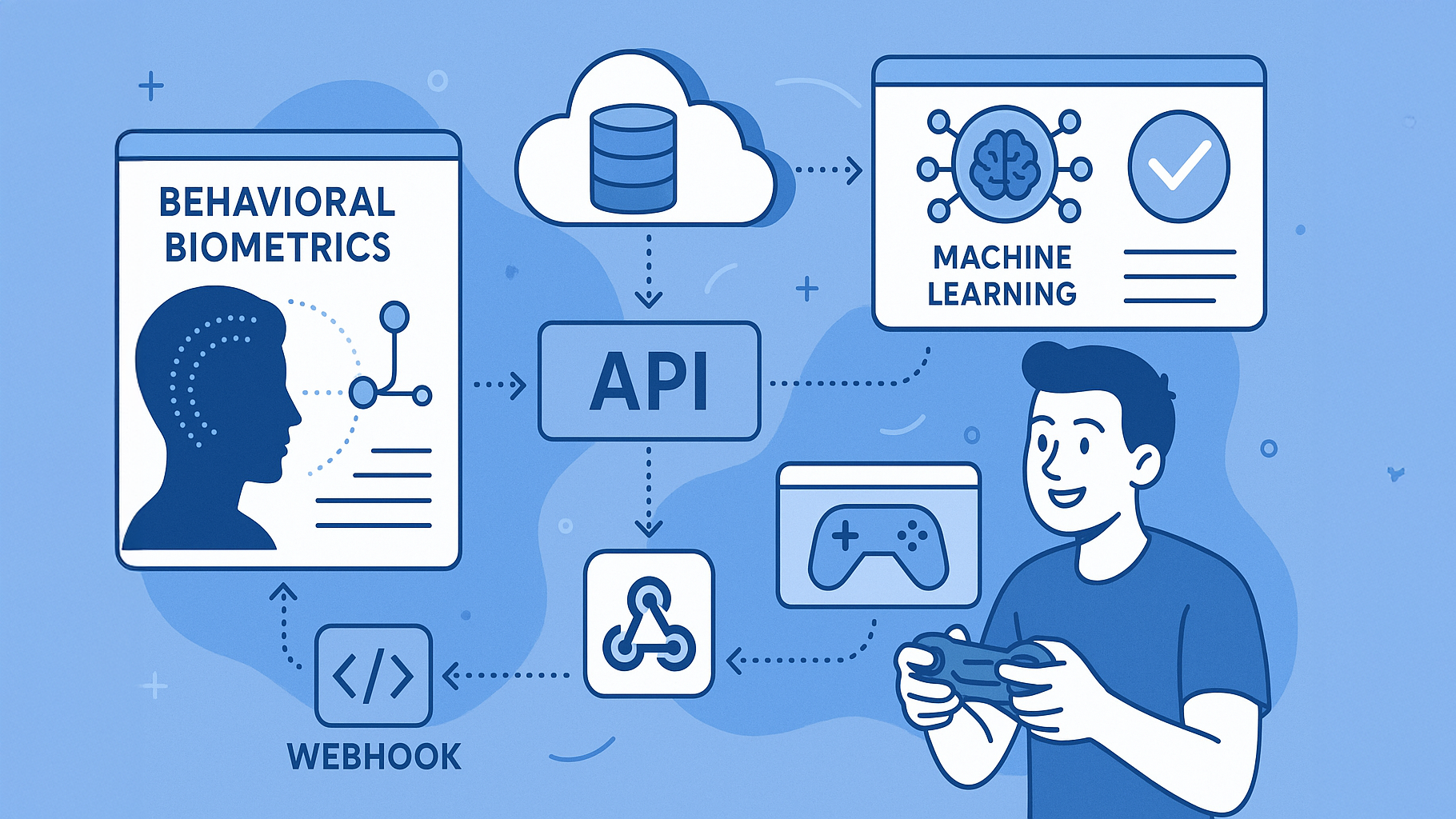
Deploying behavioral biometrics doesn't require massive infrastructure overhauls. Modern solutions integrate through APIs and webhooks, connecting easily with existing gaming platforms and CRM systems. The technology works behind the scenes, collecting behavioral data during normal gameplay without affecting performance or user experience.
Machine learning models continuously refine behavioral profiles as they gather more player interaction data. These systems become more accurate over time, reducing false positives while improving fraud detection capabilities. The passive nature of data collection means players never need to perform additional authentication steps or change their natural gaming habits.
Cloud-based behavioral analysis platforms handle the computational heavy lifting, analyzing thousands of behavioral signals in real-time without requiring on-premise infrastructure investments.
Measuring Success in Player Engagement

Operators implementing behavioral biometrics report substantial improvements across key metrics. Player retention increases as personalized experiences better match individual preferences and playing styles. Security incidents decrease as continuous behavioral monitoring catches fraudulent activity before it causes damage.
Customer lifetime value improves when behavioral insights drive more effective engagement strategies. Instead of generic promotional campaigns, operators can target players with offers that align with their demonstrated behavioral preferences and optimal engagement timing.
The technology also reduces operational costs by automating many manual processes. Customer service teams spend less time investigating fraud cases, while marketing teams create more effective campaigns based on behavioral segmentation rather than assumptions.
Privacy and Ethical Considerations

Implementing behavioral biometrics requires careful attention to privacy regulations and player consent. Leading platforms ensure transparent data collection practices and give players control over their behavioral data usage.
The key lies in using behavioral analysis to enhance player protection and experience rather than for invasive tracking. When players understand that behavioral monitoring helps prevent account theft and provides better personalization, acceptance rates remain high.
Data minimization principles apply: collecting only behavioral signals necessary for security and personalization purposes while avoiding unnecessary surveillance. Strong encryption and data protection measures ensure behavioral profiles remain secure.
The Future of Player Identification
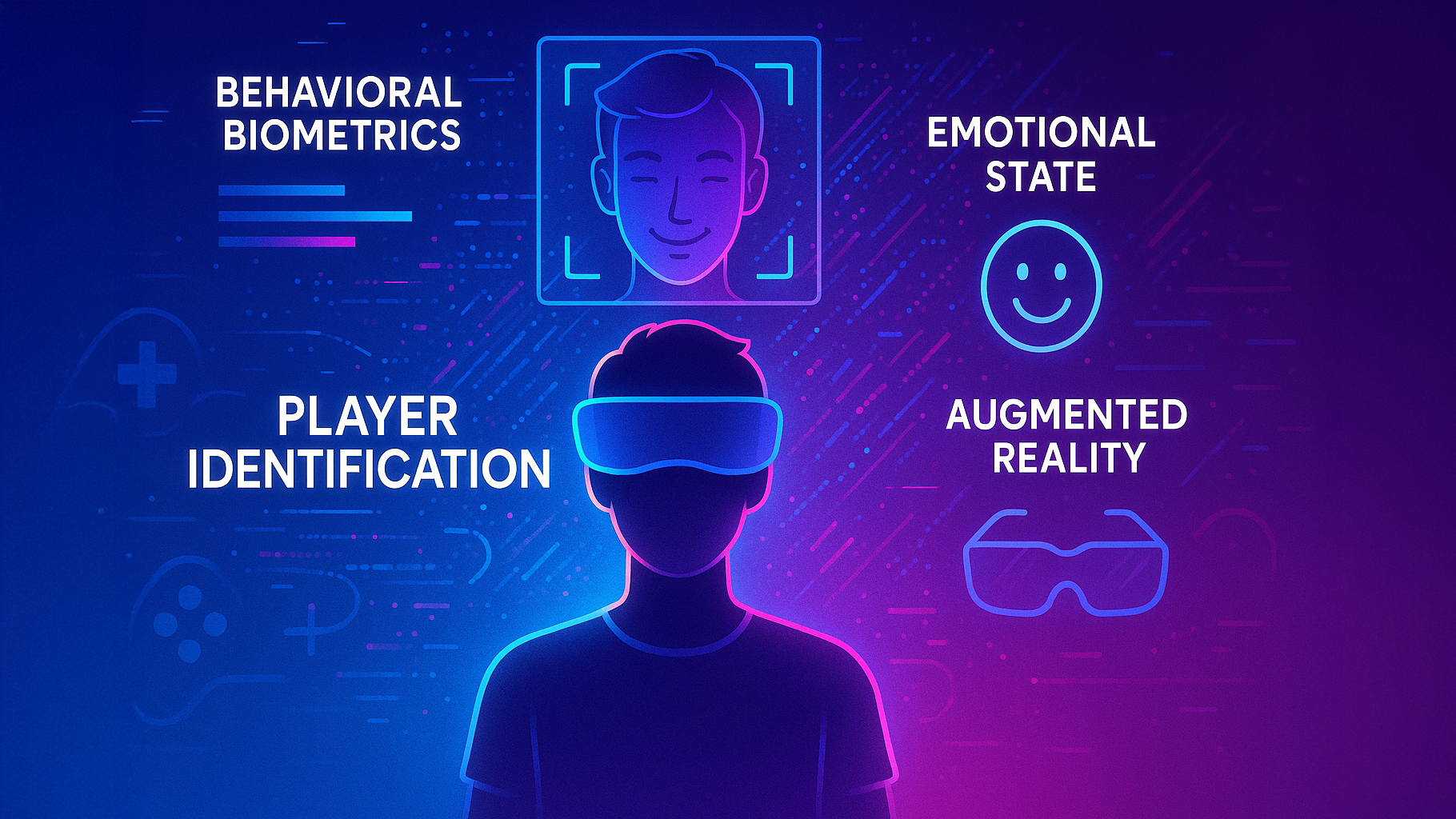
Behavioral biometrics represents just the beginning of advanced player identification technologies. Future developments will likely incorporate more sophisticated behavioral analysis, including emotional state recognition through gameplay patterns and predictive modeling that anticipates player needs before they're consciously aware of them.
Integration with emerging technologies like augmented reality gaming will create even richer behavioral datasets. How players naturally interact with mixed reality environments will provide new dimensions for both security and personalization.
The gaming industry's embrace of behavioral biometrics signals a broader shift toward human-centered technology that adapts to natural behavior rather than forcing users to adapt to rigid security requirements.
Smartico.ai: Pioneering Unified Gaming Intelligence
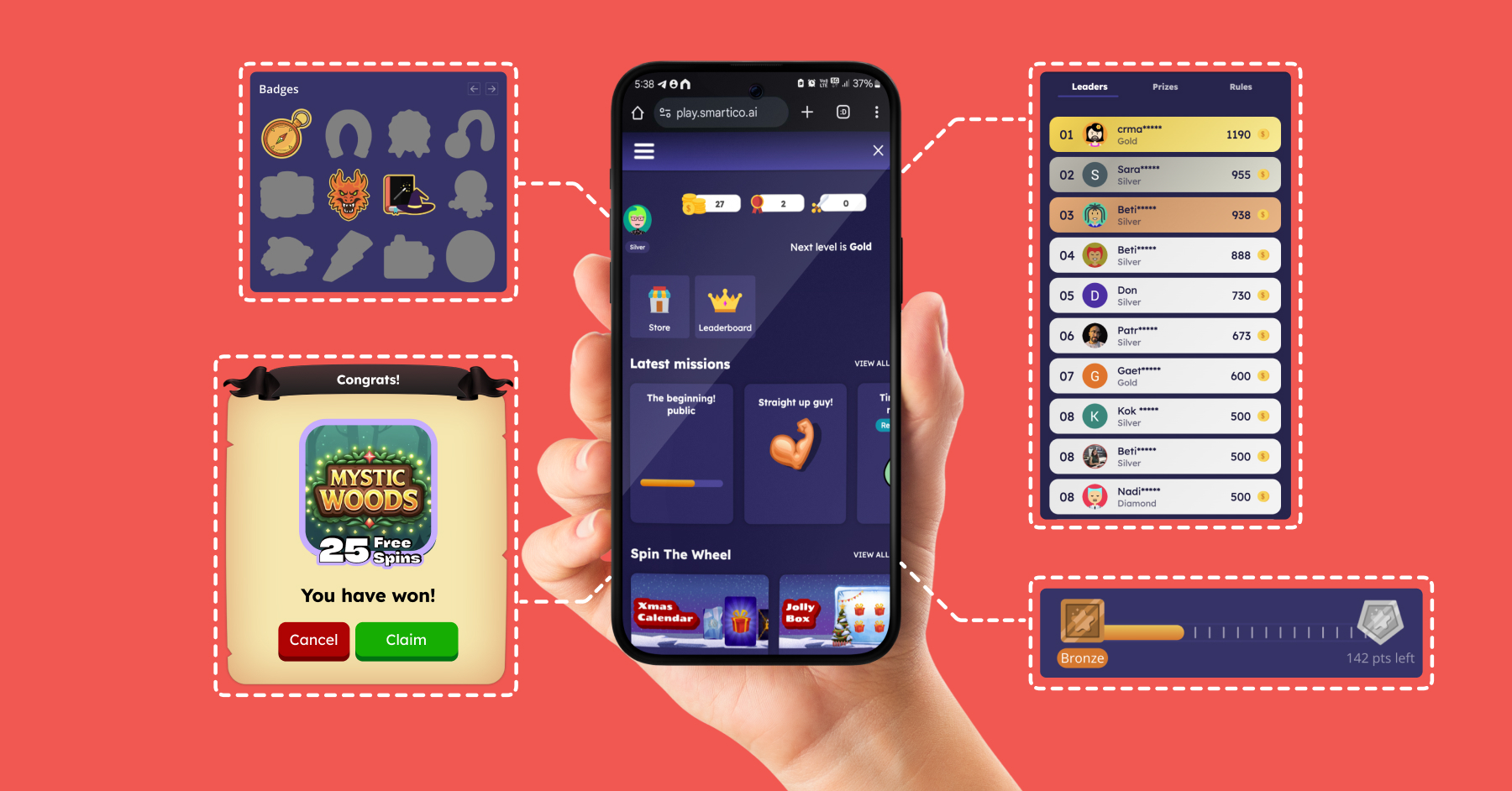
Leading this behavioral biometrics revolution is Smartico.ai, the first and leading unified gamification and CRM automation platform specifically designed for iGaming. While other solutions try to bolt behavioral analysis onto existing systems, Smartico built it into their platform from the ground up.
Smartico's behavioral analysis capabilities integrate naturally with its comprehensive CRM automation tools, creating a complete player engagement ecosystem. The platform transforms behavioral data into actionable insights through AI-powered models that predict player lifetime value, churn risk, and optimal engagement timing.
What sets Smartico apart is a holistic approach to player relationship management. Instead of treating behavioral analysis as a separate security tool, it has unified it with gamification mechanics, bonus engines, and automated campaign management. This integration enables real-time responses to behavioral patterns: automatically triggering personalized missions, adjusting reward structures, or initiating retention campaigns based on detected behavioral changes.
Smartico's success stems from understanding that modern iGaming requires more than basic CRM functionality. Operators need intelligent systems that adapt to player behavior in real-time, providing both security and engagement through unified technology rather than disconnected point solutions.
Are you ready to boost your iGaming revenue like you never thought possible? Get started by booking your free, in-depth demo of Smartico.ai below.
{{cta-banner}}
FAQs
How accurate is behavioral biometrics compared to traditional security methods?
Behavioral biometrics achieves significantly higher accuracy rates than password-based systems because it's nearly impossible for fraudsters to replicate natural human behavioral patterns consistently, even when they possess stolen credentials.
Does behavioral analysis slow down gaming performance?
No, behavioral biometrics operates passively in the background, analyzing natural user interactions without requiring additional processing time or affecting gameplay responsiveness.
Can behavioral patterns change over time, and how do systems adapt?
Yes, behavioral patterns evolve naturally due to factors like device changes, skill development, or personal circumstances. Advanced systems use machine learning to continuously update behavioral profiles while maintaining security effectiveness.
What happens if the system incorrectly flags legitimate player behavior as suspicious?
Modern behavioral biometric systems include multiple validation layers and human oversight protocols to minimize false positives, ensuring genuine players aren't unnecessarily restricted while maintaining security standards.
How does behavioral biometrics handle shared devices or accounts?
The technology can distinguish between different users on shared devices by analyzing distinct behavioral signatures, enabling appropriate personalization and security measures for each individual user without requiring separate accounts.
Wrap Up
Those invisible breadcrumbs players leave behind are the foundation of iGaming's future. Behavioral biometrics turn natural gaming interactions into powerful tools for both protection and personalization, finally solving the security-experience trade-off. As fraud grows more sophisticated and player expectations evolve, operators embracing behavioral intelligence will lead the industry forward. The revolution isn't coming – it's already here, waiting for operators ready to listen to what player behavior reveals.
Did you find this article helpful? If so, consider sharing it with other industry professionals such as yourself.