


Exploring Automation Rules: iGaming CRM Key Feature 5
If you're running an online casino platform and still manually sending welcome emails to new players at 2 AM, we need to talk. Automation rules in iGaming CRM systems handle these tasks while you sleep, and they do it better than any human could at scale.
Think of automation rules as the invisible engine that keeps your player engagement running smoothly. They watch for specific player behaviors and respond instantly with the right message, bonus, or alert. A player makes their first deposit? Automation kicks in. Someone hasn't logged in for a week? The system notices and acts.
The beauty of automation rules lies in what they free your team to do. Instead of sorting through spreadsheets and manually triggering campaigns, your CRM team can focus on strategy, analyzing what works, and building better player experiences. According to research from Harvard Business Review, companies implementing marketing and sales productivity systems see increases of up to 30% in sales and sales force productivity by automating routine tasks.
What Makes Automation Rules Different in iGaming
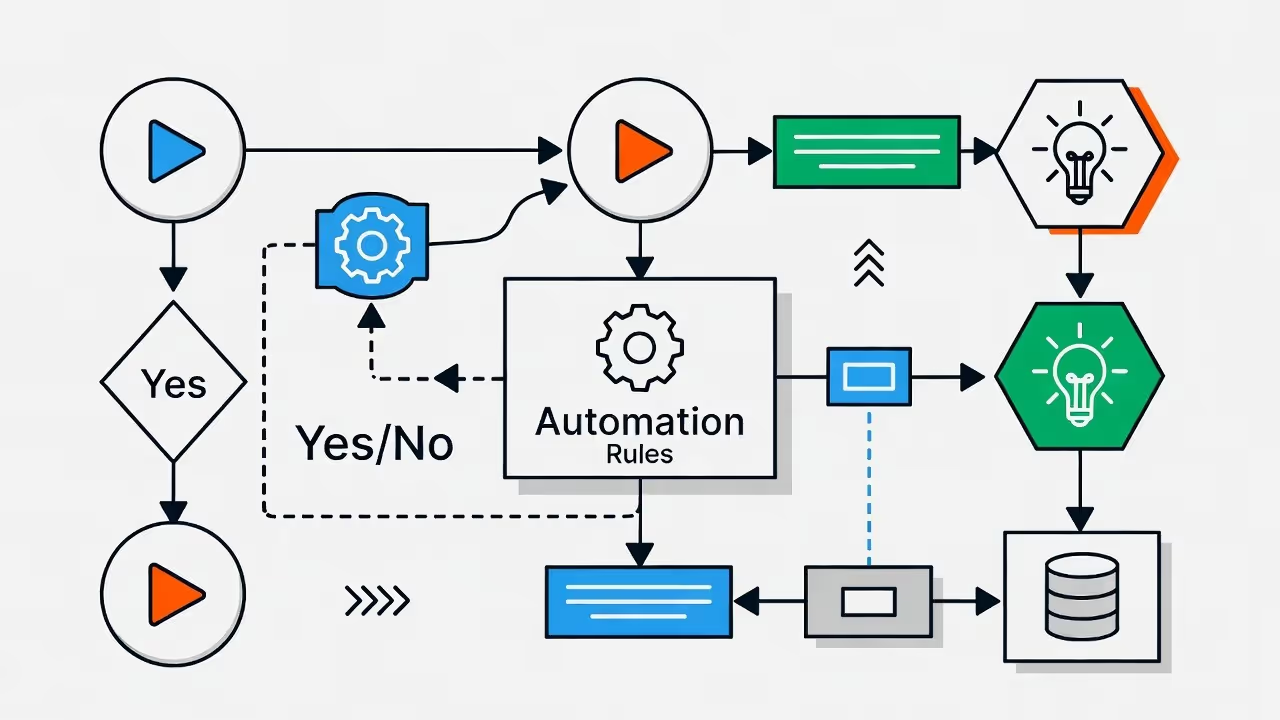
Standard CRM automation sends birthday emails and tracks sales leads. iGaming CRM automation rules work at a completely different speed and complexity level.
Your players don't follow a predictable path. They might play slots at midnight, try live dealer games the next morning, then disappear for three days before coming back for a sports bet. Automation rules track all of this in real time and respond appropriately.
Here's what sets iGaming automation apart: behavioral triggers happen in seconds, not days. A player crosses a deposit threshold, and your VIP team gets notified immediately. Session frequency drops below normal patterns, and a personalized re-engagement offer goes out before the player fully churns.
The stakes are different too. In most industries, sending the wrong email is annoying. In iGaming, sending a bonus offer to someone who just self-excluded could mean regulatory violations and serious fines. Automation rules in casino CRM systems need built-in compliance checks that standard business software never considers.
The Core Components of Automation Rules
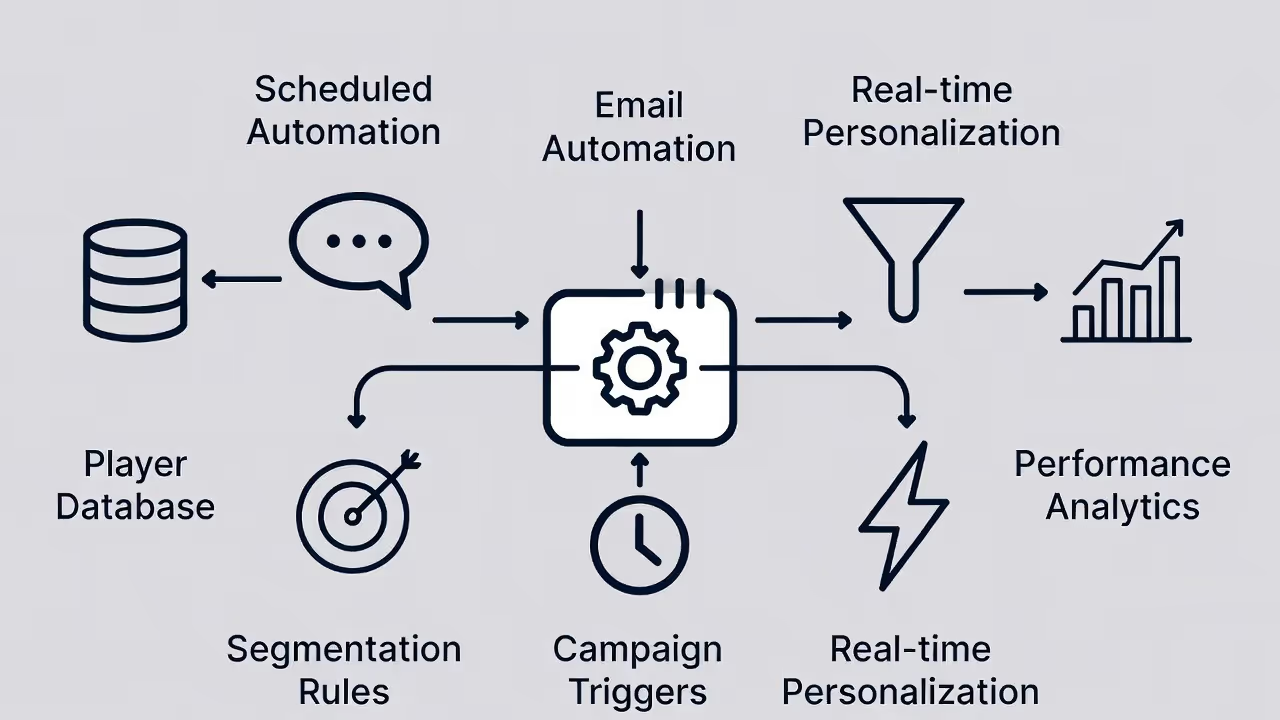
Understanding how automation rules actually work helps you build better ones. Every automation rule in your CRM for iGaming has three essential parts.
Triggers: What Starts the Action
Triggers are the "if" in your if-then logic. They tell your CRM when to pay attention and do something.
Player triggers watch for specific behaviors:
- First deposit completed
- Three consecutive days without login
- Bet size jumps by 200% in one session
- Player reaches cumulative deposit amount
- Game preference shifts from slots to live casino
- Session time exceeds typical pattern
{{cta-banner}}
System triggers handle timing and maintenance:
- 24 hours after registration with no deposit
- Seven days before loyalty tier expires
- Monthly balance check
- Quarterly account review needed
The trick is picking triggers that actually matter. You could set up 50 different triggers, but if they're firing constantly with irrelevant actions, you'll just create noise. Focus on behaviors that indicate real opportunity or risk.
Conditions: The Logic Layer
Conditions add nuance to your triggers. They're the "and" and "or" statements that make automation smart instead of just automatic.
A player makes a deposit (trigger), AND it's their first deposit, AND they registered within the last 24 hours (conditions). That combination gets a different response than a returning VIP making their 50th deposit.
Conditions let you build sophisticated rules like:
- IF inactive for 7 days AND previous session was a win AND player tier is Silver or above
- IF bet size increases 150% AND total session time under 30 minutes AND account is less than 90 days old
- IF game preference changes AND player hasn't contacted support AND average session value drops
You can stack conditions to get incredibly specific without creating separate rules for every scenario. This keeps your automation manageable instead of spiraling into hundreds of individual workflows.
Actions: What Happens Next
Actions are what your CRM actually does when triggers fire and conditions match.
Communication actions reach out to players:
- Send personalized email with specific offer
- Trigger SMS with time-sensitive bonus
- Display in-app message on next login
- Schedule push notification for optimal time
Operational actions update your systems:
- Change player segment from "New" to "Active"
- Add tag for "Churn Risk" or "VIP Candidate"
- Create task for account manager to call
- Update loyalty points balance
- Flag account for compliance review
Data actions keep information current:
- Log activity timestamp
- Calculate new lifetime value
- Update bet size average
- Record game preference shift
The most effective automation rules chain multiple actions together. Player goes inactive, so the system adds a "dormant" tag, removes them from daily promotional emails, adds them to a weekly re-engagement sequence, and creates a reminder for your retention team to check in if they don't return within 14 days.
7 Automation Rules Every iGaming Operator Needs
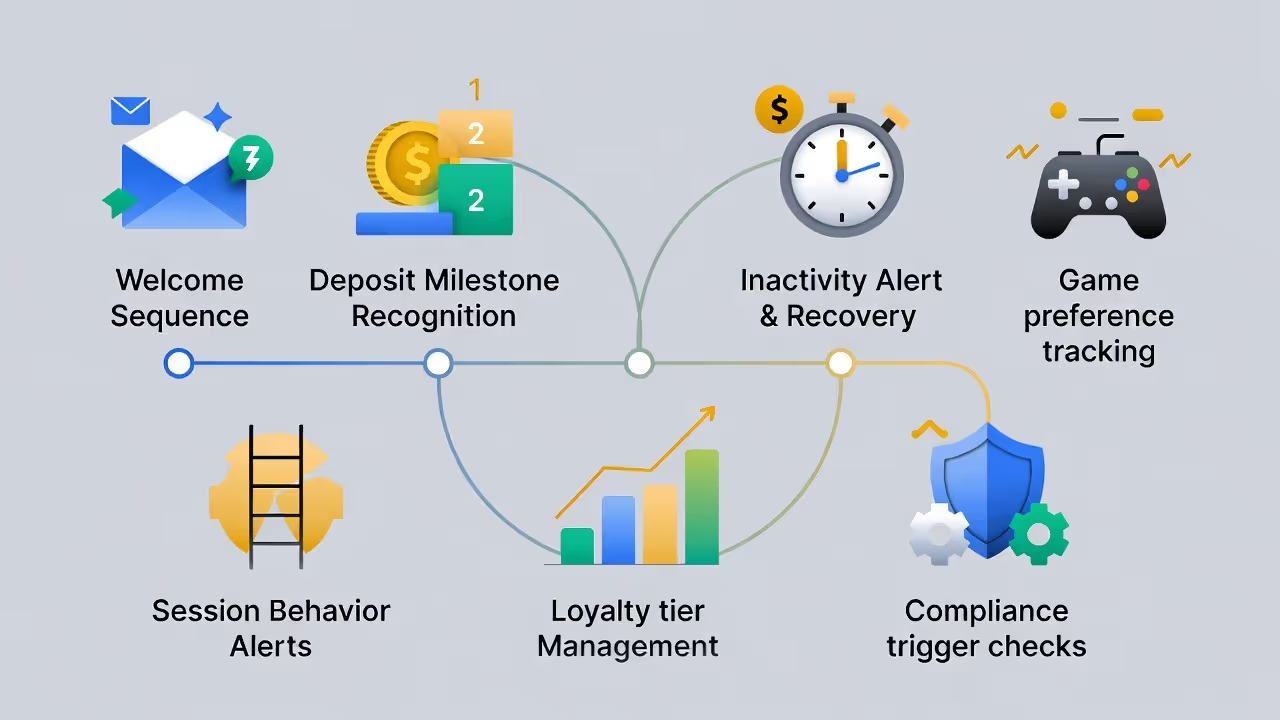
These seven automation rules deliver the biggest impact for the effort required to set them up. You don't need 100 complex workflows to see results. Start with these.
1. Welcome Sequence Automation
New players need immediate engagement, but your team can't personally welcome everyone at the exact moment they sign up.
Set up a welcome sequence that triggers on registration and guides players through their first week. Day one: welcome email with platform overview. Day two: game recommendations based on initial browsing. Day three: first deposit nudge with clear value proposition. Day five: educational content about features they haven't explored.
The automation adjusts based on player actions. If they deposit on day one, they skip the deposit nudge and get activation-focused content instead.
2. Deposit Milestone Recognition
Players notice when platforms pay attention to their activity. Automation rules track deposit milestones and respond appropriately.
First deposit gets special treatment with a matched bonus and personalized game suggestions. Tenth deposit might trigger VIP team notification. Hundredth deposit deserves something memorable, automatically personalized based on their play history.
The automation remembers these moments so your team doesn't have to manually track every player's deposit count.
3. Inactivity Alert and Recovery
Players go quiet for different reasons. Your automation should notice and respond before they're fully gone.
Set up tiered inactivity rules: three days quiet gets a soft reminder about new games. Seven days triggers a personalized offer. Two weeks means escalation to your retention team with full context about the player's history and value.
The key is varying your approach based on player value and previous engagement patterns. A VIP who typically plays daily needs a different response than a casual player who logs in weekly.
4. Game Preference Tracking
When a slots player suddenly starts betting on sports, that's useful information. Automation rules notice these shifts and adjust accordingly.
Track game category preferences and update communication automatically. Someone who moves from slots to live dealer games should see more live casino content in their emails and fewer slot-focused offers.
This automation prevents the awkward situation where you're promoting slot tournaments to someone who clearly prefers sports betting now.
5. Session Behavior Alerts
Rapid changes in betting patterns need immediate attention, whether for responsible gaming monitoring or VIP identification.
Set rules that flag unusual behavior: bet sizes jumping 300% in one session, session duration suddenly tripling, rapid game switching that might indicate frustration.
Some flags go to compliance teams, others to player support, others to VIP managers. The automation routes alerts to the right people based on the specific pattern detected.
6. Loyalty Tier Management
Manual tier updates create delays and errors. Automation handles tier transitions smoothly.
When a player crosses the threshold for a new loyalty tier, automation immediately updates their status, sends congratulations, explains new benefits, and adjusts their communication preferences to include tier-specific content.
It also handles the sensitive situation of tier downgrades, explaining the situation clearly and offering a path back to higher status.
7. Compliance Trigger Checks
Regulatory requirements aren't optional. Automation rules enforce them consistently.
Set up mandatory checks before sending any promotional material: verify player hasn't self-excluded, confirm they haven't hit deposit limits, check they're in an eligible jurisdiction, validate consent preferences are current.
These rules run automatically before any campaign goes out, catching potential violations before they happen.
Building Automation Rules That Actually Work
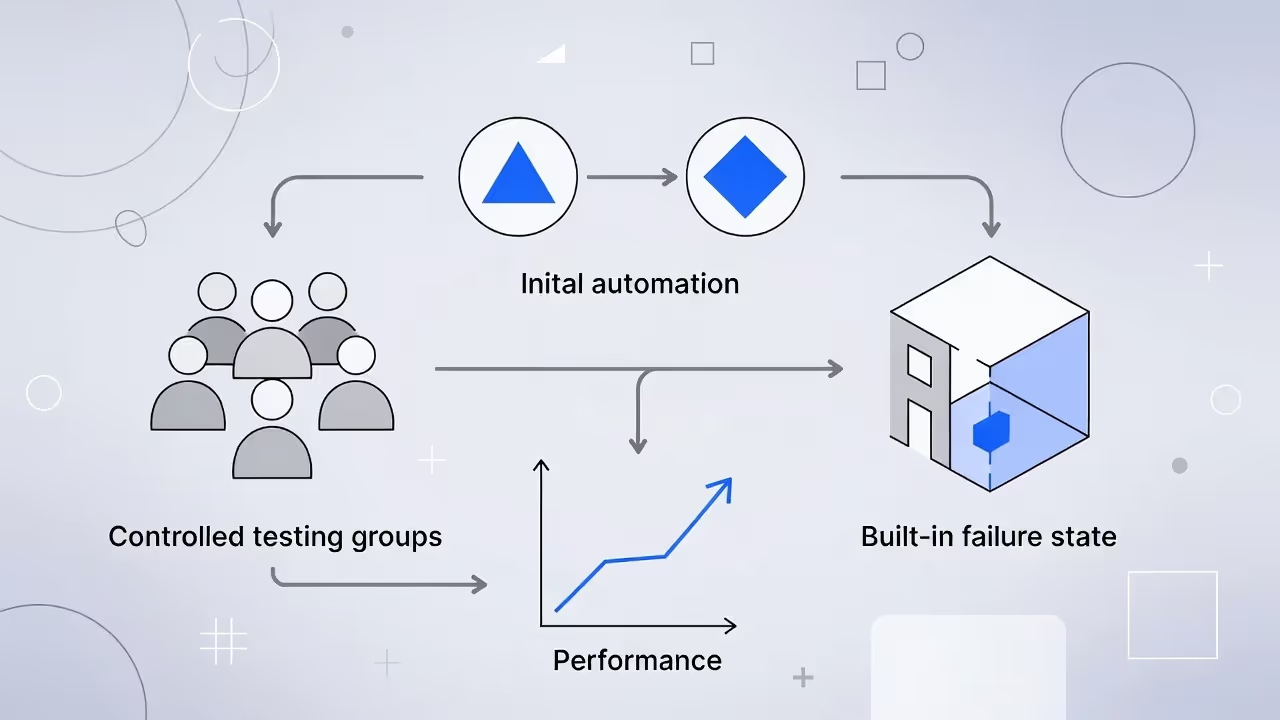
Setting up automation rules isn't just about technical configuration. Here's what separates effective automation from frustrating automation that everyone ignores or works around.
Start with player journey mapping. Before you write a single rule, map out how players actually move through your platform. Where do they get stuck? When do they churn? What makes them upgrade their play? Your automation should support these real patterns, not some idealized path you wish they'd follow.
Test everything in controlled groups first. Don't deploy automation rules to your entire player base on day one. Run them on 10% of your traffic, watch what happens, adjust based on results, then gradually expand. You'll catch weird edge cases and unintended consequences before they affect thousands of players.
Build in failure states. What happens when your automation rule triggers but the email service is down? Or the player's preferred language isn't in your template library? Good automation rules have backup plans and error handling, not just happy path scenarios.
Keep rules simple enough to explain. If you can't describe an automation rule to a colleague in two sentences, it's probably too complex. Complex rules are harder to maintain, harder to troubleshoot, and more likely to break when you update your systems.
Monitor performance constantly. Set up dashboards that show which automation rules are firing most often, which are driving results, and which are sitting dormant. Review monthly and prune rules that aren't earning their keep.
How Automation Rules Connect to Other CRM Features
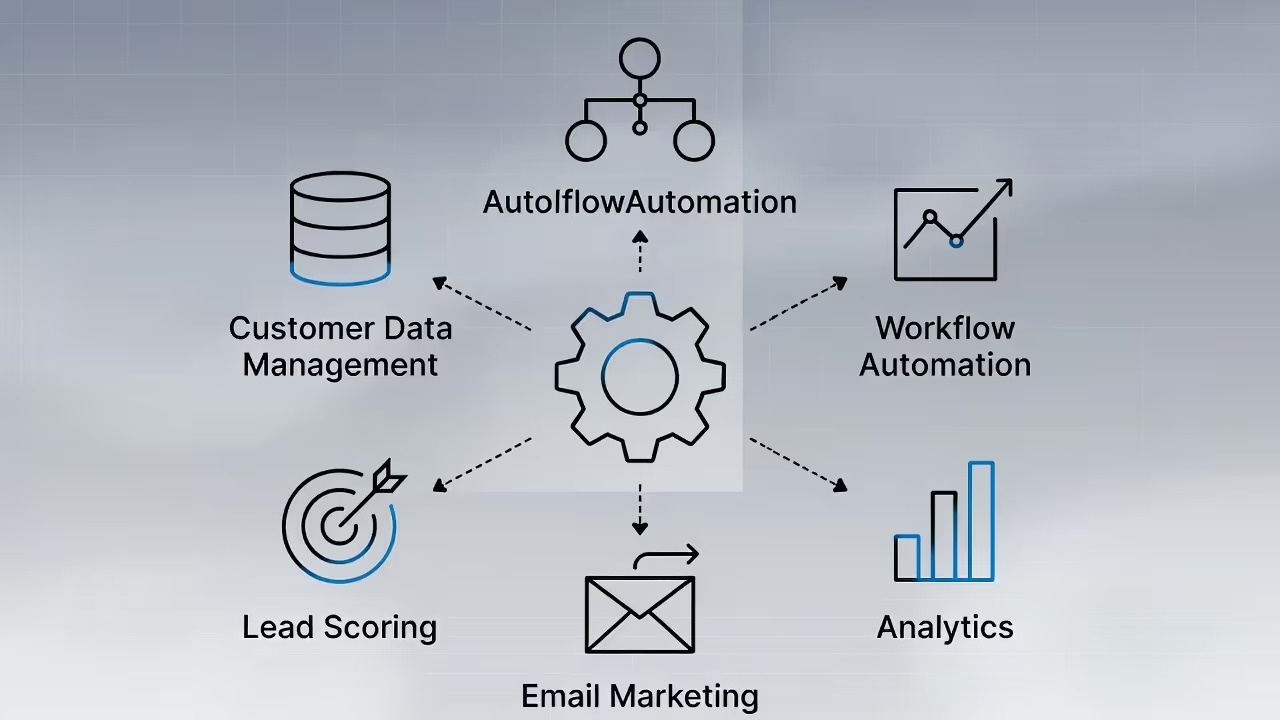
Automation rules don't exist in isolation. They're most powerful when connected to your other CRM capabilities.
Player segmentation feeds automation. Your segments define groups of players with similar characteristics. Automation rules use these segments to personalize actions. A "New Player" segment gets onboarding automation, while "VIP Candidates" get special attention triggers.
Gamification elements trigger automatically. When players complete challenges, reach achievement milestones, or earn rewards, automation rules can instantly recognize and celebrate these moments without manual intervention.
Analytics inform rule optimization. Your CRM analytics show which automated actions drive the best results. Use this data to refine trigger conditions, adjust timing, and improve messaging. The feedback loop between automation and analytics makes both more effective.
Personalization engines enhance automation output. Basic automation might send a generic re-engagement email. Add personalization, and that same automation rule sends messages customized by game preference, time zone, language, and recent activity pattern.
Common Automation Mistakes to Avoid

You'll make some mistakes learning automation rules. Here are the ones you can skip.
Over-automating too fast. Adding 50 automation rules in your first month feels productive until you realize you can't tell which ones are working. Add rules gradually, measure impact, then add more.
Ignoring player fatigue. Just because you can send automated messages doesn't mean you should. Set frequency caps so players don't get bombarded with automated emails, SMS, and push notifications all triggered by related actions.
Forgetting to update rules. Your business changes. Your player base evolves. Automation rules from 18 months ago might not make sense anymore. Schedule quarterly reviews to deprecate outdated rules and update conditions.
Setting too-sensitive triggers. If your automation fires constantly for minor variations in normal behavior, you'll drown in false positives. Tune your trigger thresholds based on real player patterns, not assumptions.
Neglecting mobile experience. Your automation might trigger a beautifully formatted email that looks terrible on mobile devices where most players actually read it. Test all automated communications across devices.
What Smartico Brings to Automation Rules
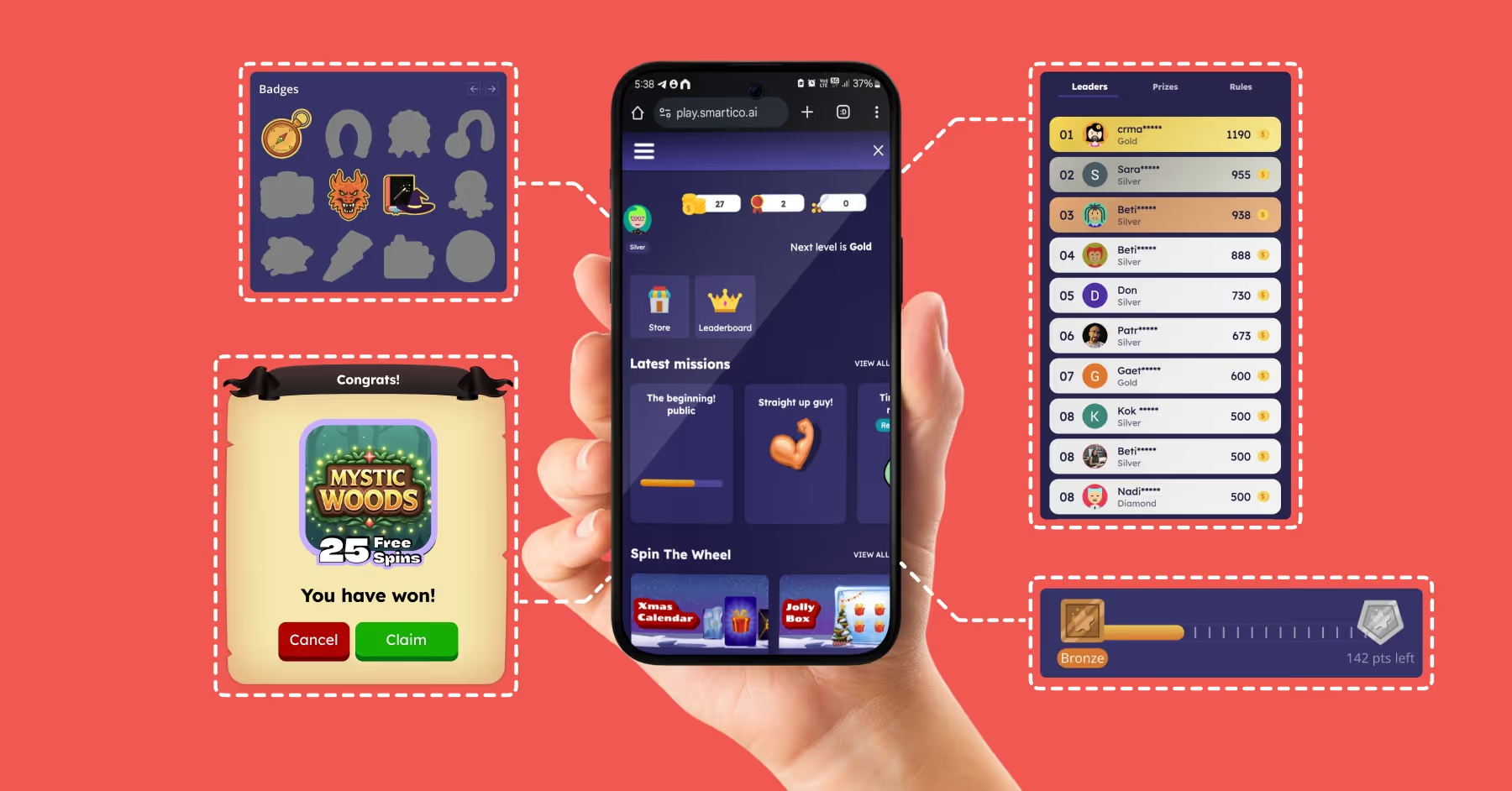
Smartico offers the first and leading unified Gamification and CRM Automation platform built specifically for iGaming operators. Since 2019, Smartico has focused on combining real-time automation with player engagement tools that work together like a breeze.
The software handles behavior-based triggers that respond instantly to player actions, automatically segmenting players and adjusting their journey without manual intervention. Smartico's optimal timing model determines the best moment to reach each player, maximizing engagement while respecting player preferences.
What makes Smartico's approach different is the integration of gamification with automation. When a player completes an automated challenge or reaches a milestone, the system doesn't just log it - it celebrates the achievement, updates loyalty status, and triggers the next relevant engagement opportunity, all in real time.
For operators managing multiple brands, Smartico runs everything from one instance while allowing brand-specific customization of automation rules and campaigns. There are no extra fees for adding brands as you scale.
Want to find out how Smartico can help your business specifically raise loyalty and retention like nothing you’ve tried before? Book your free, in-depth demo below.
{{cta-banner}}
Making Automation Work in Your Operation

Theory is useful, but implementation determines results. Here's how to actually put automation rules to work.
Map your current manual processes first. What are your team members doing repeatedly every day? Sorting through new registrations? Checking for inactive players? Updating player tiers? These manual tasks are your automation opportunities.
Pick your first three rules. Don't try to automate everything at once. Choose three high-impact, relatively simple automation rules to start. Welcome sequence, first deposit follow-up, and seven-day inactivity alert are solid choices.
Document everything clearly. Write down what each rule does, why it exists, and what success looks like. When someone asks "why are we sending this email?" six months from now, you'll have an answer.
Train your team properly. Your CRM team needs to understand not just how to set up automation rules, but when to use them and how to troubleshoot when things go wrong. Invest time in training upfront to prevent confusion later.
Start measuring from day one. Track baseline metrics before you deploy automation, then monitor how they change. Did welcome sequence automation improve first-deposit conversion? Did inactivity alerts reduce churn? Use real data to guide decisions.
FAQ
How many automation rules should an iGaming CRM have?
There's no magic number. A small operation might run effectively on 15-20 well-designed rules covering the essential player journey moments. Larger operators with multiple brands and markets might have 100+ rules handling different segments, regions, and compliance requirements. Quality matters more than quantity. Better to have 20 rules that work perfectly than 100 that conflict with each other or fire inconsistently.
Can automation rules handle responsible gaming requirements?
Yes, and they should. Automation rules are actually better at enforcing responsible gaming policies consistently than manual processes. Set up rules that automatically check deposit limits, session time, and self-exclusion status before any promotional communication goes out. Rules can also flag unusual betting patterns for review and prevent marketing to vulnerable players. The key is building compliance checks into every customer-facing automation from the start.
What's the difference between automation rules and workflows in CRM?
The terms overlap, but there's a practical distinction. Automation rules typically handle single if-then actions: if a player does X, then do Y. Workflows string multiple automation rules together into longer sequences with branching logic. Think of automation rules as individual building blocks and workflows as the complete structure you build with them. Some platforms use the terms interchangeably, which can be confusing.
How often should you review and update automation rules?
Review your automation rules quarterly at minimum. Check which rules are firing most frequently, which are driving results, which haven't triggered in months. Update rules when your business changes - new games launch, regulations shift, player behavior patterns evolve. Also review immediately if you notice odd player feedback or unexpected campaign results. Automation rules shouldn't be "set and forget."
Do automation rules work the same across all iGaming verticals?
Not exactly. The core concept is the same, but casino automation differs from sports betting automation. Casino rules focus heavily on game preferences, session behavior, and bonus triggers. Sports betting automation needs to handle event-based timing, odds changes, and match schedules. If you operate both, you'll need different rule sets for each vertical while sharing some common infrastructure like welcome sequences and inactivity management.
Can small iGaming operators benefit from automation rules?
Sure. Small operators might benefit even more than large ones. When you have a lean team, automation multiplies your effectiveness. You can't manually monitor every player, but automation can. Start with basic rules for player onboarding and retention, then add more sophisticated automation as you grow. Many CRM platforms offer starter automation templates that small operators can deploy quickly without building from scratch.
Making It Happen
Automation rules transform how iGaming operators engage with players. They handle the repetitive monitoring and communication that drains team resources, while maintaining the personalized touch that keeps players engaged.
The operators seeing the best results aren't using the most complex automation. They're using well-designed rules that match real player behavior, testing constantly, and refining based on actual performance data.
Start simple. Pick three automation rules that address your biggest manual bottlenecks. Deploy them carefully. Measure results. Then build from there.
Did you find this article helpful? If so, consider sharing it with other industry professionals such as yourself.