


VIP Marketplace Economics: Modeling Point Inflation & Burn

Let’s say you’re managing a loyalty program where millions of points float around your ecosystem like confetti at a New Year's party. Everything looks fantastic until you realize those points are multiplying faster than rabbits, and suddenly your reward catalog costs more to maintain than a small country's budget.
Welcome to the wild world of VIP marketplace economics, where understanding point inflation and burn mechanisms can make the difference between a thriving loyalty ecosystem and a financial disaster that keeps CFOs awake at night.
The Real Math Behind Point Value
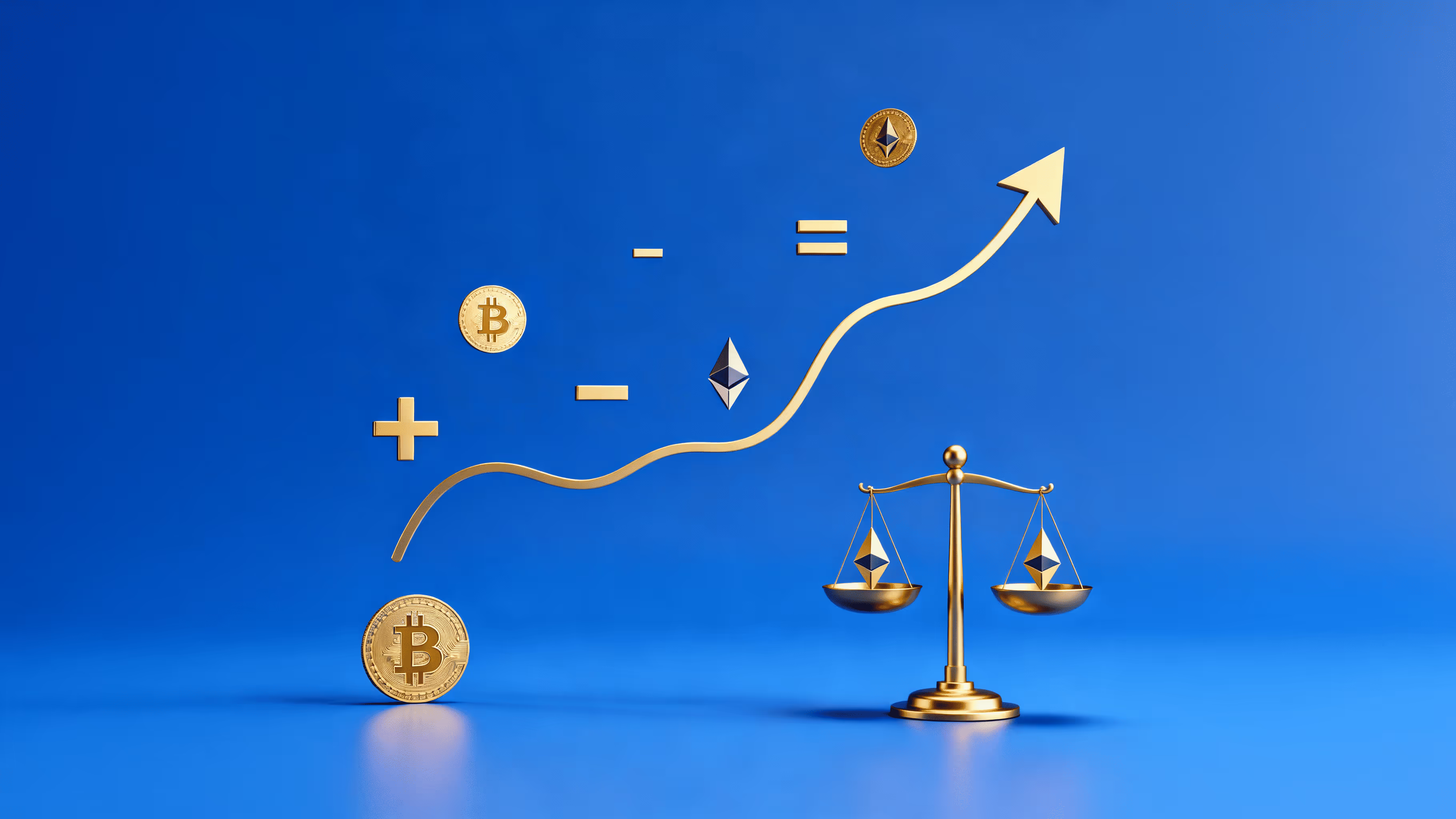
Here's what nobody talks about at those fancy loyalty conferences: points behave exactly like currency, except they're controlled entirely by you. When you create too many points without proper burn mechanisms, you're essentially printing money in a closed economy. The result? Point inflation that makes your rewards worth less over time.
Smart operators track their point-to-dollar ratios religiously. A typical program might start with 100 points equaling $1 in rewards. But as point issuance outpaces redemption, that ratio can shift dramatically. Airlines have seen this firsthand – British Airways raised partner award prices by up to 60% in less than a year.
{{cta-banner}}
The core issue is straightforward: too many points chasing too few redemption opportunities. When customers earn points faster than they can meaningfully burn them, the perceived value drops, and engagement follows.
Why VIP Programs Get Point Economics Wrong
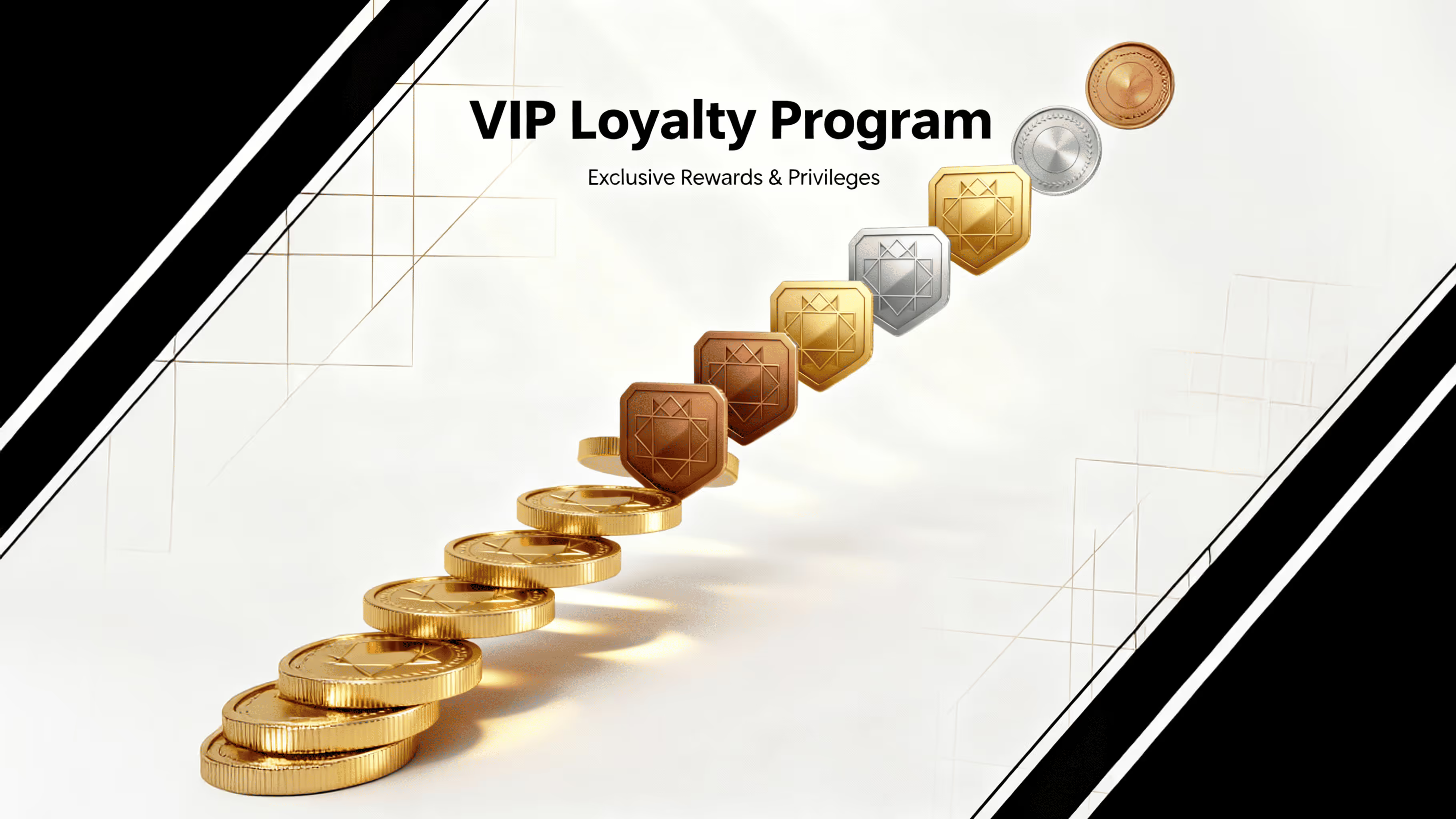
Most VIP programs fail because they focus on the "earn" side while completely ignoring burn strategy. They create elaborate tier systems with escalating earn rates – Silver members get 1.2x points, Gold gets 1.5x – without building corresponding burn mechanisms to handle the increased point velocity.
This creates a dangerous liability spiral. Every unredeemed point sits on your books as a financial obligation. When this trend was analyzed, it was found that programs with poor burn design often carry liabilities that exceed their annual revenue.
The psychology makes it worse. VIP members expect their high-tier status to mean something tangible. When they accumulate massive point balances but can't find meaningful ways to spend them, they feel cheated. The exclusivity you promised becomes a burden.
Building Sustainable Burn Mechanisms

Effective burn design starts with understanding customer behavior patterns. High-value customers don't just want more of the same rewards – they want access to experiences and privileges that money can't buy elsewhere.
Time-sensitive burn opportunities create urgency without devaluing the currency. Limited-time auctions, seasonal experiences, and exclusive event access encourage immediate redemption while maintaining scarcity. Southwest Airlines uses this strategy effectively with limited-time point discounts that drive quick redemption.
Partial redemption options solve the accessibility problem. Allowing points-plus-cash combinations means customers with smaller balances can still engage meaningfully with your program. Hilton's Points & Money slider exemplifies this approach – members can use any combination of points and cash for bookings.
Partner ecosystems expand burn opportunities without increasing your direct costs. When customers can spend points across multiple brands or services, you create natural pressure valves for point accumulation while sharing liability across partners.
The Data Behind Successful VIP Economics

Customer analytics reveal the secret patterns that separate thriving programs from failing ones. Successful VIP programs track engagement metrics beyond simple transaction data – they monitor redemption velocity, tier progression rates, and lifetime value trajectories.
Redemption frequency tells you everything about perceived value. Programs with monthly redemption rates above 15% typically show strong engagement and healthy point economics. Below 5%, and you're looking at a program where points are accumulating faster than they're being burned.
Tier progression analysis shows whether your economics actually motivate behavior. If customers stall between lower tiers, your earn requirements might be too high. If they race through mid-tiers without engaging, your burn opportunities aren't compelling enough.
Predictive modeling helps you spot problems before they become crises. AI-driven analytics can forecast when individual members are likely to churn, which reward categories are losing appeal, and where point liability is building dangerous momentum.
The Personalization Revolution in VIP Programs
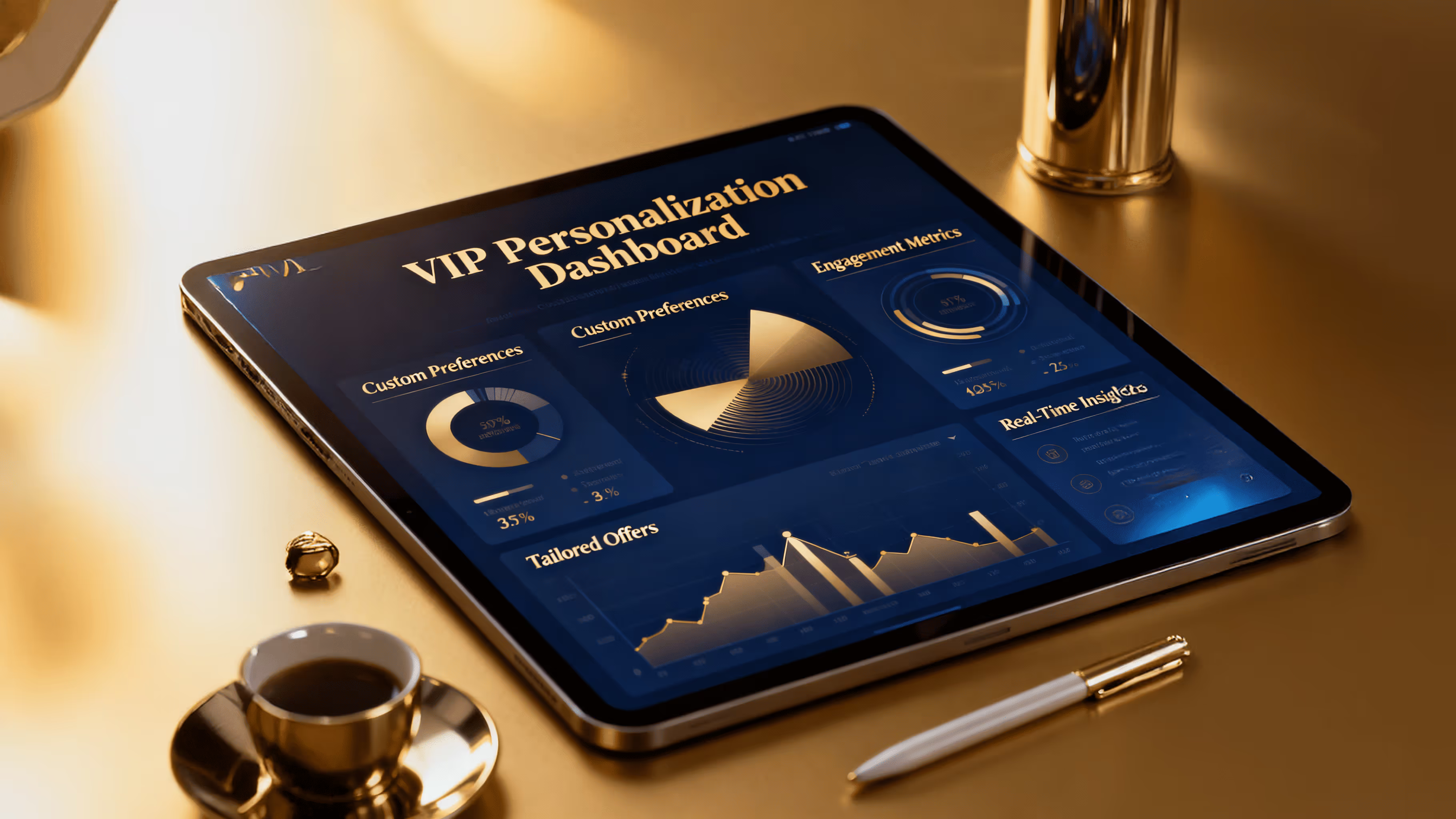
Modern VIP programs succeed by treating each member as a market of one. Instead of broad-brush tier benefits, they use real-time data to deliver individualized experiences that drive both engagement and smart burn behavior.
Behavioral triggers create personalized burn opportunities. When data shows a member frequently books travel, the system can surface exclusive trip experiences. Fashion enthusiasts get early access to designer collaborations. Food lovers unlock chef experiences.
This level of personalization requires sophisticated data infrastructure. You need systems that can process purchase history, engagement patterns, seasonal preferences, and life events in real-time to deliver relevant burn opportunities at the precise moment customers are ready to engage.
Dynamic reward pricing helps balance supply and demand. Popular rewards can automatically increase in point cost during peak periods, while less popular options become more accessible. This market-based approach keeps your catalog fresh and your economics sustainable.
Advanced Burn Strategies That Actually Work

Gamified progression systems turn burning into earning. Instead of simple redemption, create challenges where spending points unlocks additional rewards or tier benefits. This psychological trick makes customers feel like they're gaining value even as they reduce their point balances.
Charitable giving options provide emotional satisfaction while clearing liability. Many customers, especially high-value VIPs, appreciate the ability to donate points to causes they care about. This creates positive brand association while reducing your financial exposure.
Experience marketplaces command premium burn rates. Instead of competing on physical goods that customers can buy elsewhere, create exclusive access to experiences, events, or services. These typically require fewer points per dollar of value delivered while providing stronger emotional connections.
Technology Infrastructure for Modern Loyalty Economics

The backend systems powering successful VIP programs are far more sophisticated than most people realize. Real-time processing capabilities allow for dynamic pricing, instant personalization, and immediate burn opportunities that keep customers engaged.
API-first architectures enable seamless integration across touchpoints. Whether customers want to burn points during online checkout, in mobile apps, or at physical locations, the experience should be frictionless. This technical foundation directly impacts redemption rates and customer satisfaction.
Machine learning algorithms optimize burn timing and offers. These systems learn individual customer patterns and can predict optimal moments to surface specific redemption opportunities. The result is higher conversion rates and better point velocity management.
Measuring Success in VIP Point Economics
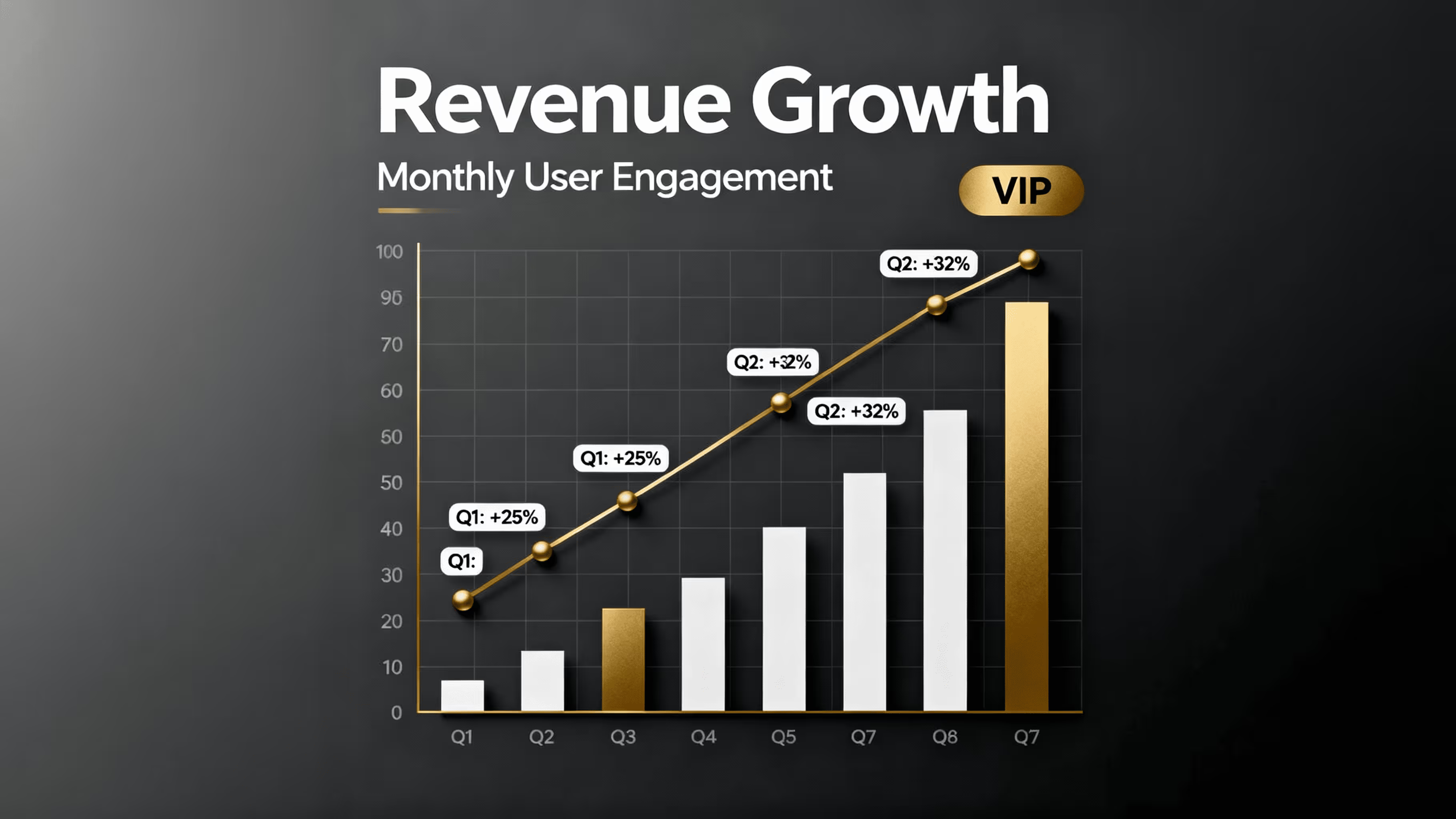
Point liability ratio should never exceed 15% of annual revenue. Above this threshold, you're carrying too much unredeemed value on your books, which creates both financial risk and customer experience problems.
Average redemption timeline tells you about program health. Healthy programs see points redeemed within 6-12 months of earning. Longer cycles suggest poor burn design or insufficient redemption motivation.
Tier retention rates measure whether your economics actually drive loyalty. If customers consistently drop tiers or abandon the program after reaching higher levels, your burn mechanisms aren't providing enough ongoing value.
Common Pitfalls and How to Avoid Them

Over-generous earn rates create unsustainable liability. Many programs launch with attractive earning opportunities but fail to build corresponding burn capacity. The result is point inflation that eventually forces painful devaluations.
Insufficient burn variety limits customer engagement. If your catalog only offers discounts and free products, high-value customers will quickly exhaust interesting options. Successful programs continuously refresh their burn opportunities with new experiences and partnerships.
Poor communication about value leaves customers confused about program benefits. Clear, consistent messaging about point values and redemption opportunities is essential for maintaining engagement and preventing negative perceptions.
The Future of VIP Marketplace Economics

Emerging technologies are reshaping how smart operators approach loyalty economics. Artificial intelligence enables real-time optimization of earn and burn rates based on individual customer behavior and program-wide metrics.
Blockchain technology promises more transparent and flexible point systems. Customers could potentially trade points between programs or access broader partner networks, creating new possibilities for burn design and liability management.
Augmented reality experiences represent the next frontier in premium burn opportunities. VIP members could unlock exclusive AR content, virtual events, or immersive brand experiences that command high point values while delivering unique emotional connections.
Smartico.ai: Revolutionizing VIP Loyalty Economics
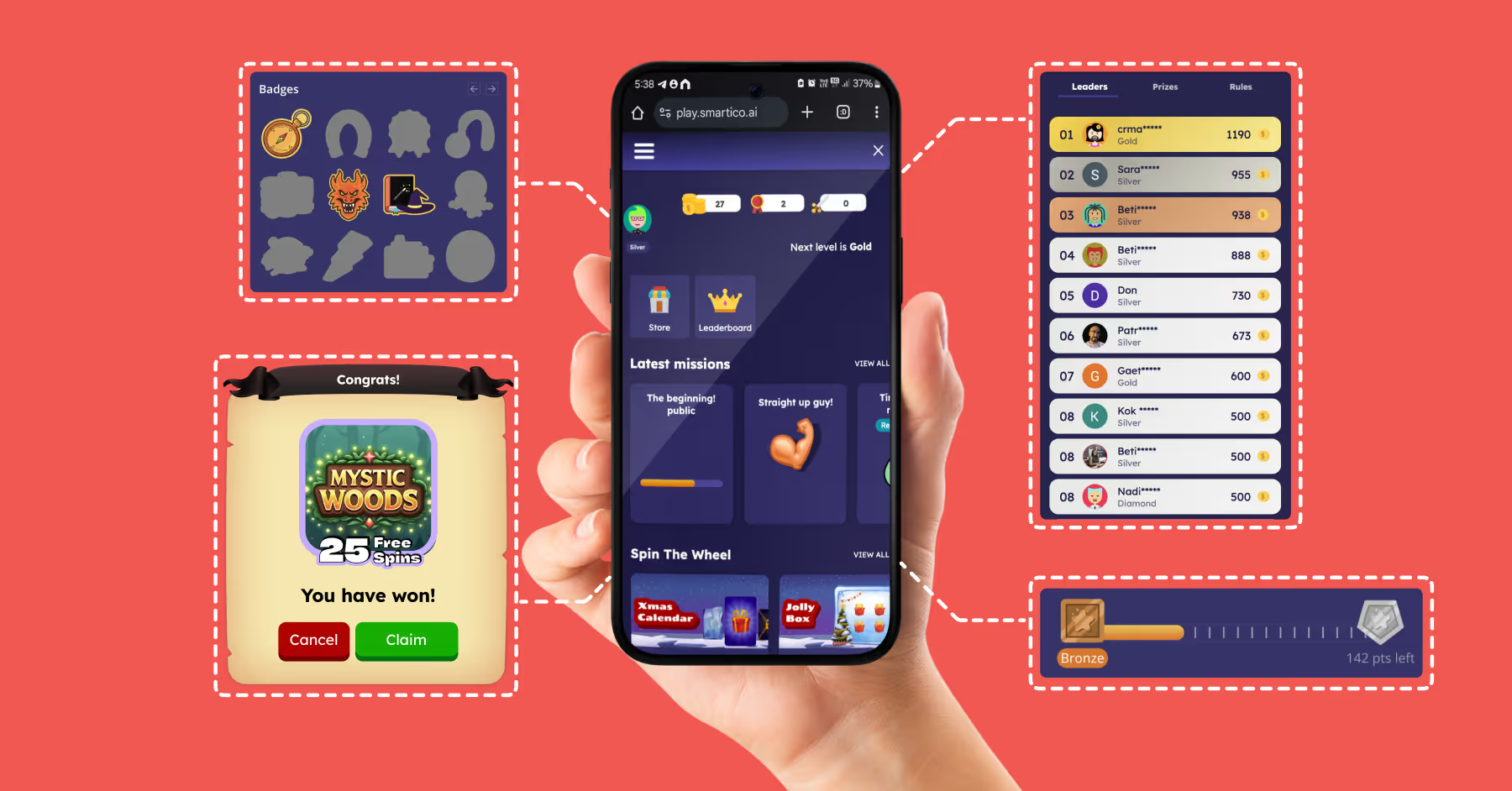
When it comes to implementing sophisticated loyalty economics, Smartico.ai stands as the industry's first unified Gamification and CRM Automation platform. Unlike traditional loyalty systems that bolt together separate tools, Smartico provides an integrated ecosystem designed specifically for modern VIP program management.
The platform's AI-driven personalization engine automatically optimizes earn and burn mechanics based on real-time customer behavior. This means your point economics adapt dynamically to prevent inflation while maximizing customer engagement. Smartico's gamification suite transforms traditional redemption into engaging experiences that customers actually want to pursue.
For operators serious about loyalty program success, Smartico.ai offers the technological foundation and strategic insight needed to build truly sustainable VIP economics in today's competitive marketplace.
Book your free, in-depth demo below to learn how Smartico can help you raise your loyalty and retention rates like nothing you’ve tried before.
{{cta-banner}}
Frequently Asked Questions

1. What causes point inflation in loyalty programs?
Point inflation occurs when customers earn points faster than they can meaningfully redeem them, creating excess supply that reduces perceived value over time.
2. How often should I review my program's point economics?
Successful programs monitor point liability monthly and conduct comprehensive economic reviews quarterly to ensure sustainable earn-to-burn ratios.
3. What's the ideal redemption rate for a healthy VIP program?
Healthy programs typically see monthly redemption rates between 10-20%, indicating strong engagement without excessive point accumulation.
4. How do I prevent customers from hoarding points?
Implement time-sensitive offers, exclusive experiences, and gentle expiration policies while providing clear communication about upcoming changes to maintain redemption momentum.
5. Should VIP tiers have different point values?
Yes, but focus on providing better redemption options and exclusive access rather than simply inflating point values, which can damage program economics.
Conclusion
VIP marketplace economics aren't just about managing numbers on a spreadsheet. They're about creating sustainable systems that reward your best customers while protecting your business from financial liability and customer experience disasters. The programs that thrive understand this balance and build their entire strategy around maintaining healthy point economics through smart burn design, data-driven personalization, and continuous optimization. Get the economics right, and everything else becomes significantly easier to manage.
Did you find this article helpful? If so, consider sharing it with other industry professionals such as yourself.
Ready to use Smartico?
Join hundreds of businesses worldwide engaging players with Smartico.