

Exploring Communication Channels: iGaming CRM Key Feature 6
When you're running an online casino, you can't just blast the same bonus offer to everyone via email and call it a day. Your players are everywhere – checking their phones while waiting for coffee, scrolling social media during lunch breaks, and yes, sometimes actually sitting at their computers. If you're only reaching them through one channel, you're missing about 70% of your potential touchpoints.
Communication channels in iGaming CRM determine how you connect with players across every platform they use. Think email, SMS, push notifications, in-app messages, social media, and even those perfectly timed pop-ups. The right mix can boost player engagement by over 30% and significantly improve retention rates. But here's the thing: it's not about being everywhere. It's about being in the right places at the right times with messages that actually matter to each player.
Let's explore how communication channels work in iGaming CRM, which ones you should prioritize, and how to build a strategy that feels personal instead of pushy.
What Are Communication Channels in CRM?
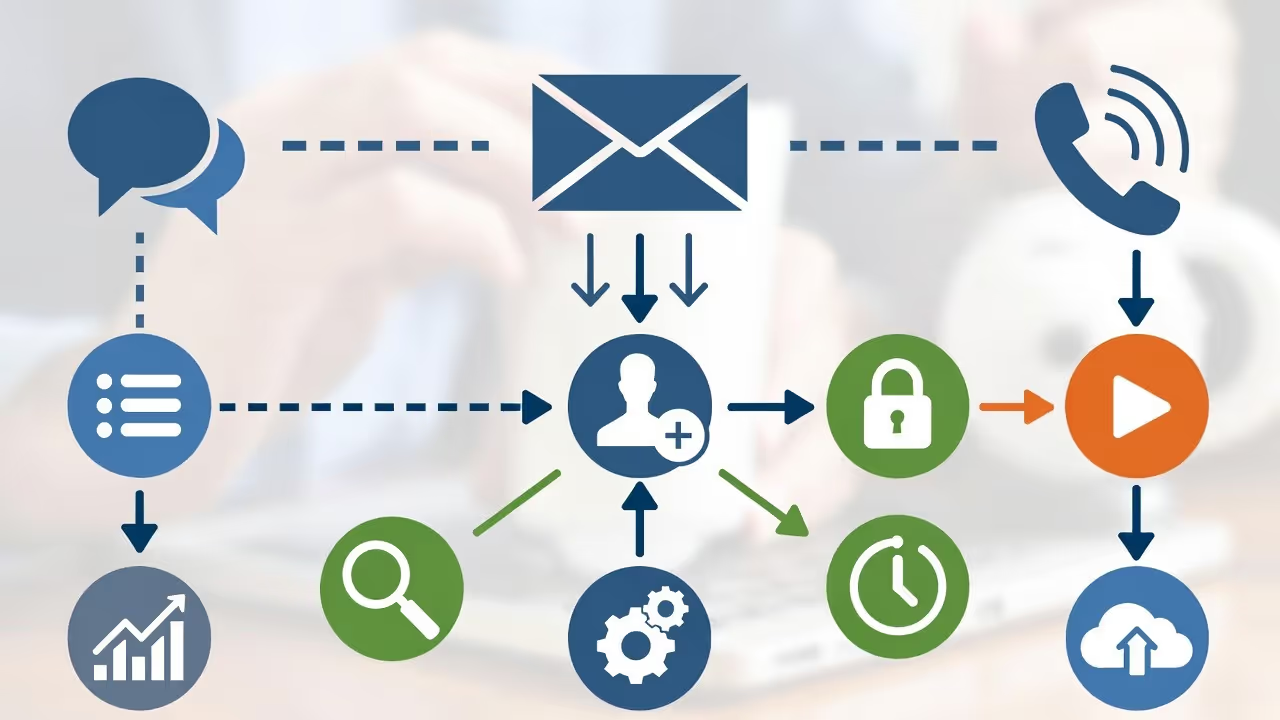
Communication channels are the pathways you use to reach players. In iGaming CRM, these channels work together to create a connected experience where players receive consistent, relevant messages no matter how they interact with your platform.
The key word here is "connected." A multi-channel CRM doesn't just give you multiple ways to message players – it synchronizes those messages so they work as part of a larger conversation. When a player abandons a deposit on your website, your CRM can automatically follow up with a helpful SMS a few hours later. When they hit a loyalty milestone, you can celebrate with them via push notification and reinforce it with an email the next day.
According to a Harvard Business Review study of 46,000 customers, people who engage with brands through multiple channels spend 10% more online and 4% more in-store compared to single-channel users. In iGaming, that translates directly to higher deposits and better lifetime value.
The Main Communication Channels in iGaming CRM
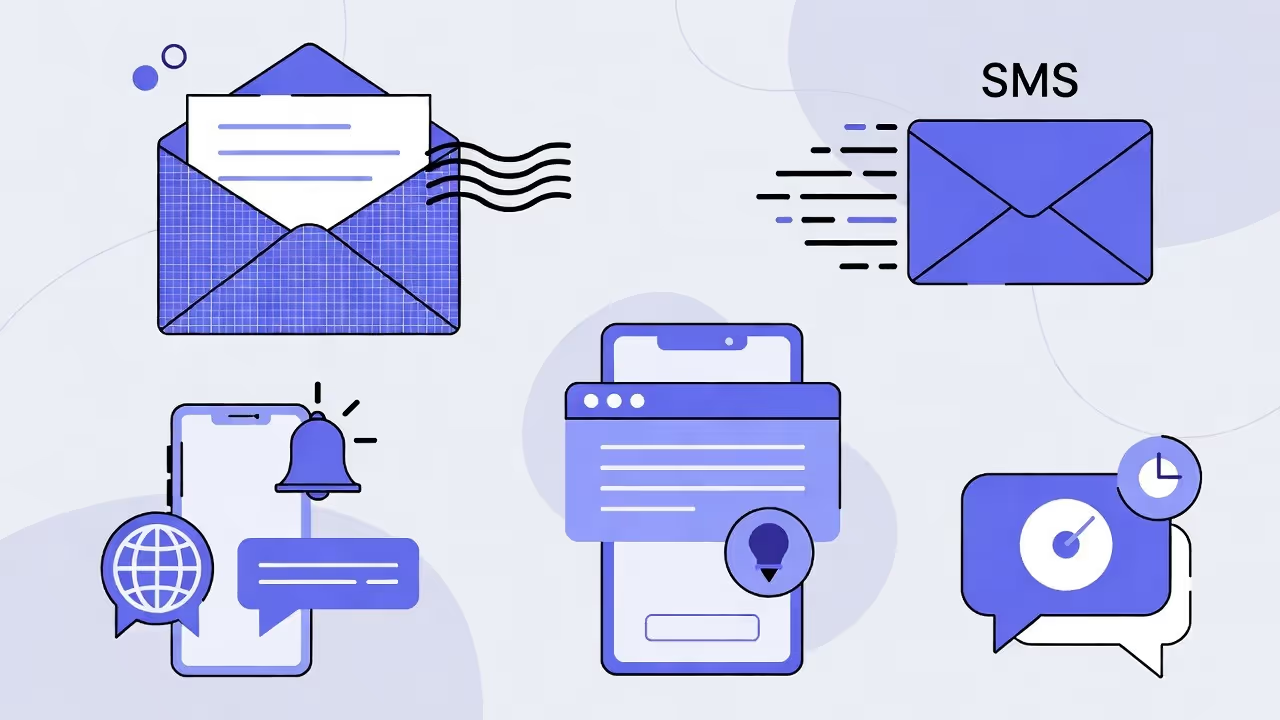
Different channels serve different purposes. Here's what each one brings to the table:
Email remains the workhorse. It's perfect for detailed communications – welcome sequences, weekly promotions, game recommendations, account updates. Players expect email, they check it regularly, and it gives you space to tell a complete story. Most importantly, you own this channel. No algorithm decides whether your message gets seen.
SMS cuts through the noise. When you need immediate attention – a deposit bonus about to expire, a live tournament starting soon, or a security alert – SMS gets read within three minutes on average. It's direct, personal, and has open rates above 90%. Just don't overuse it, or you'll train players to ignore you.
{{cta-banner}}
Push notifications work for the moment. A player just logged in? Hit them with a personalized game suggestion. They're browsing slots but haven't played yet? Remind them about their available free spins. Push notifications excel at capturing players when they're already in the zone.
In-app messages feel native. These appear directly within your platform – banners, modals, tooltips. They're contextual and non-intrusive, perfect for guiding players to new features or highlighting promotions without pulling them away from gameplay.
Social media builds community. While you can't control algorithms, social platforms let you engage players in a less transactional way. Share big wins (with permission), run contests, provide support, and create a sense of belonging that keeps players coming back.
Web and mobile popups capture attention. Strategic popups – not the annoying kind – can welcome new players, highlight time-sensitive offers, or recover abandoning sessions. The key is relevance and timing.
7 Benefits of Multi-Channel Communication in iGaming
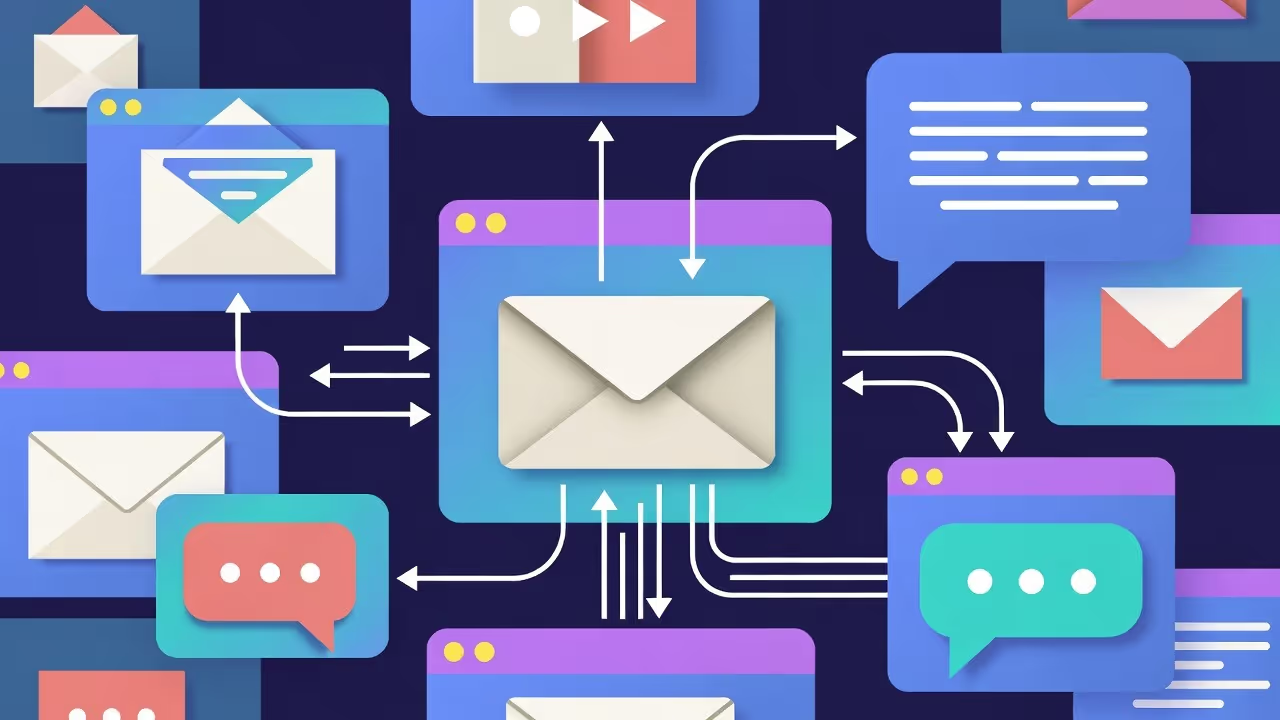
- You meet players where they already are. Some people live in their inbox. Others only check email once a week but respond to texts instantly. Multi-channel CRM lets you reach each player on their preferred platform.
- Your messages reinforce each other. One touchpoint rarely converts. But an email about a new slot game, followed by a push notification when the player logs in, followed by an in-app banner showcasing the game's features? That's a coordinated campaign that builds awareness and drives action.
- You can recover failed touchpoints. Email in spam? The player might still see your SMS. Push notification dismissed? Your in-app message serves as a backup. Multiple channels create redundancy that improves your overall reach.
- Personalization becomes more powerful. With data from all channels feeding into one CRM, you understand each player better. You know which channel they prefer, when they're most active, and what messages they respond to. This lets you personalize not just the content, but also the delivery method and timing.
- You reduce player churn. When players go silent, multi-channel CRM helps you win them back through different angles. Maybe they're ignoring emails but would respond to an SMS with a compelling reactivation offer.
- Campaign performance improves. Running the same promotion across multiple channels significantly boosts engagement compared to single-channel campaigns. You're not just increasing impressions – you're creating multiple opportunities for the message to land at the right moment.
- You build stronger relationships. Consistent communication across channels makes your brand feel more present and attentive. Players don't think "I got an email from that casino." They think "My casino keeps me in the loop."
How to Build an Effective Multi-Channel Strategy
Simply having access to multiple channels doesn't guarantee results. You need a strategy that coordinates these touchpoints intelligently.
Start with player segmentation. Not everyone should receive the same messages through the same channels. Segment your players by behavior, preferences, value, and lifecycle stage. High-value VIPs might prefer account manager outreach and exclusive email offers. Casual players might respond better to fun, gamified push notifications.
Map the player journey. Identify key moments where communication makes a difference: first deposit, inactivity periods, loyalty milestones, withdrawal requests. Then determine which channel works best for each moment. Time-sensitive messages go via SMS or push. Detailed explanations go via email.
Create channel-specific content. A 500-word email and a 40-character SMS require different approaches. Don't just truncate your email copy for text messages. Craft messages that suit each medium's strengths. SMS should be brief and action-oriented. Emails can tell stories and include multiple CTAs. Push notifications need to grab attention in a split second.
Respect frequency limits. Too many messages and you'll train players to ignore you – or worse, unsubscribe. Set frequency caps for each channel and test to find the sweet spot. Maybe that's three emails per week plus occasional SMS for urgent matters. Monitor unsubscribe rates and engagement to find your balance.
Test everything. Which subject lines get opens? Which channels drive deposits? What time of day works best for push notifications? A/B testing should be constant. Your CRM should track performance across every channel so you can optimize based on real data, not assumptions.
Maintain consistency. Your voice, offers, and brand experience should feel cohesive across channels. If an email promises a bonus, the landing page when they click through better deliver on that promise. Inconsistency erodes trust fast.
Common Mistakes to Avoid
Treating All Channels the Same
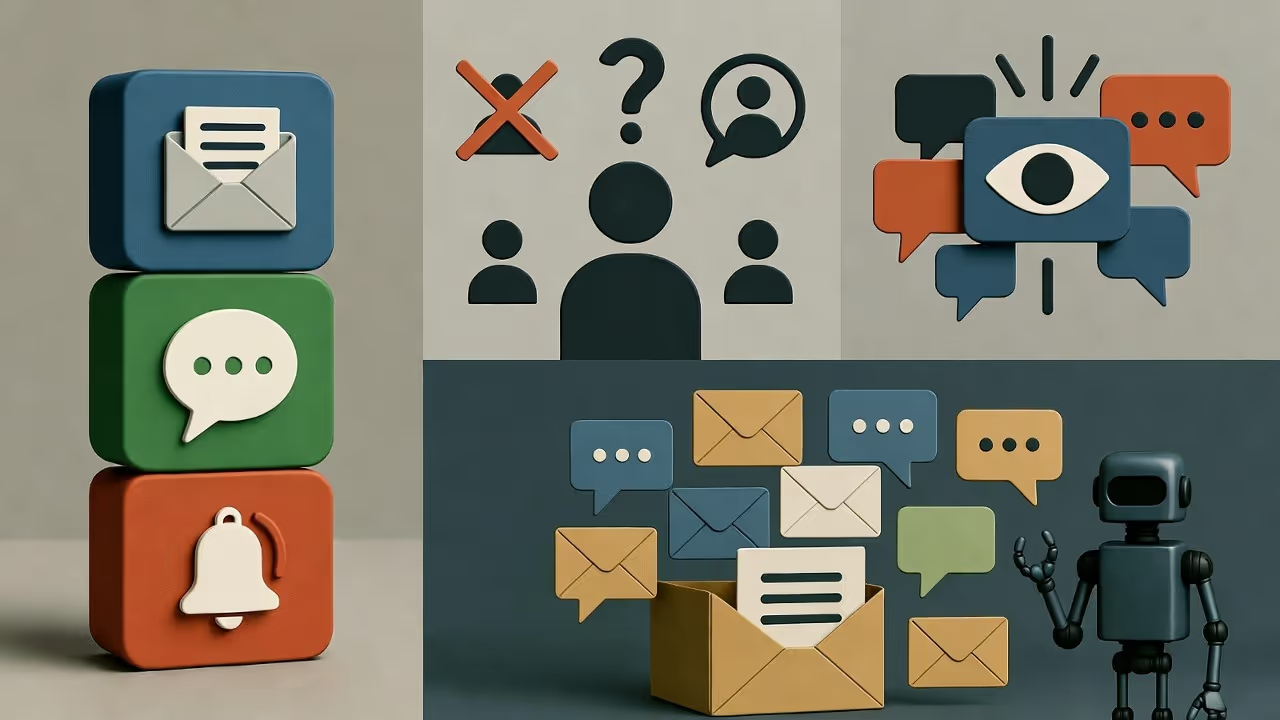
Each channel has unique characteristics. Email allows storytelling. SMS demands brevity. Push notifications need instant relevance. Trying to force the same message across every channel creates a disjointed experience.
Ignoring Player Preferences
Some players actively dislike certain communication methods. Your CRM should track preferences and let players opt out of specific channels while staying connected through others. Forcing messages through unwanted channels just breeds resentment.
Failing to Track Cross-Channel Behavior
If you don't know that an SMS led to a website visit that resulted in a deposit, you can't properly attribute success or optimize your strategy. Your CRM needs to connect the dots across channels.
Automating Without Oversight
Automation is powerful, but you can't just set it and forget it. Messages that were perfectly timed six months ago might now hit during a major sporting event when everyone's distracted. Review and adjust your automated campaigns regularly.
Overwhelming New Players
Someone who just signed up doesn't need messages from every channel immediately. Ease them into your communication rhythm. Start with essential onboarding emails, then gradually introduce other channels as they engage with your platform.
The Role of Timing and Context
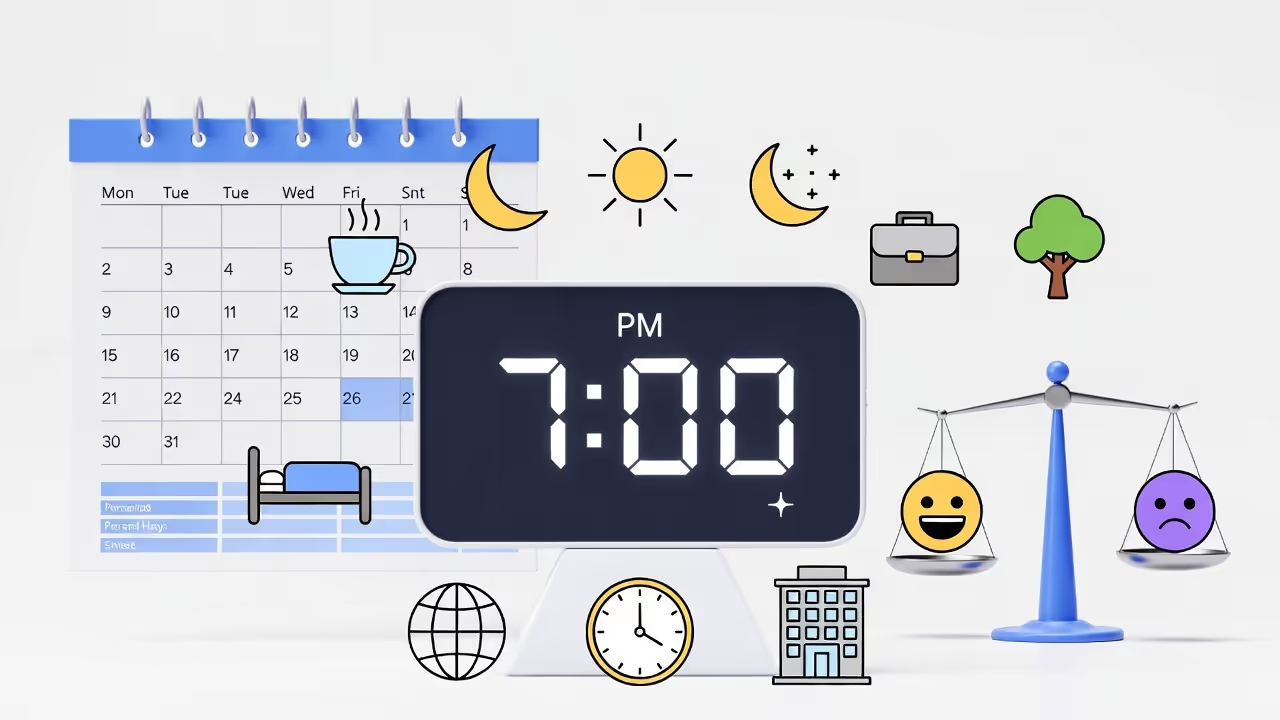
When you send a message matters as much as what you say. A bonus offer sent at 3 AM when your player is asleep will get ignored. That same offer sent at 7 PM when they typically log in might convert.
Your CRM should track when individual players are most active and schedule messages accordingly. This gets complicated fast when you're serving players across multiple time zones, but it's worth the effort. Personalized timing can improve engagement rates by 20-50% compared to batch-and-blast approaches.
Context matters too. A player who just won big might not need another promotional offer right away – they're already happy and engaged. But a player who's been losing might appreciate a thoughtful bonus or free spins to keep them interested. Your multi-channel strategy should adjust based on real-time player behavior and state.
How Smartico Handles Communication Channels
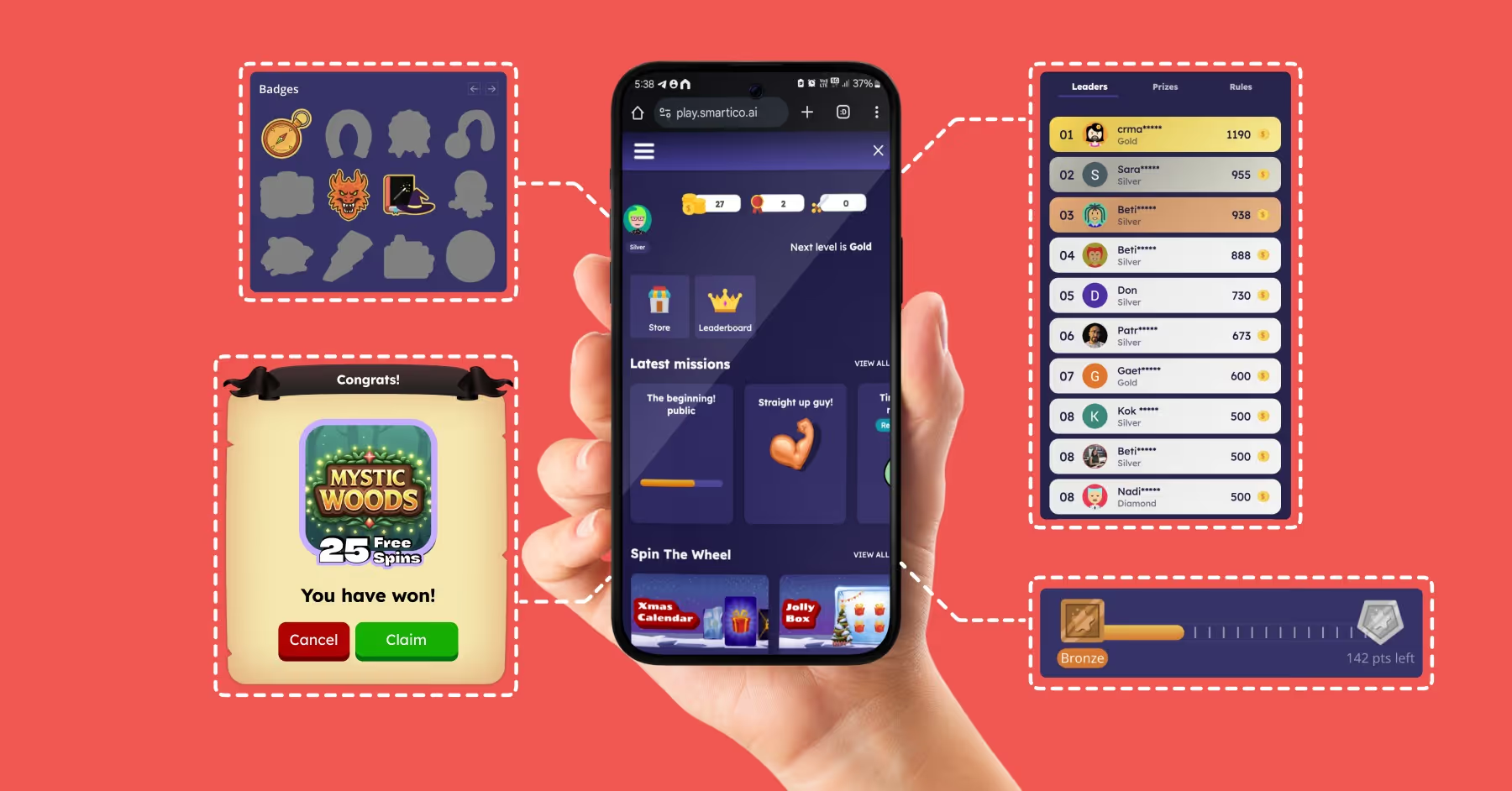
Smartico provides a unified solution that manages all your communication channels from one central hub. Rather than juggling separate tools for email, SMS, push notifications, and in-app messaging, you get a single interface that orchestrates everything together.
The software’s automation engine lets you build complex, multi-channel campaigns that respond to player behavior in real-time. When a player completes a specific action – deposits for the first time, reaches a new VIP tier, or goes seven days without activity – Smartico triggers the appropriate message through the most effective channel based on that player's history and preferences.
What sets it apart is the integration with its gamification features. Your communication channels support your entire engagement strategy. Players receive notifications about missions they're close to completing, leaderboards they're climbing, and rewards they've unlocked. This creates a continuous feedback loop that keeps players engaged without relying solely on bonuses and free money.
Smartico also provides detailed analytics across all channels, showing you which combinations drive the best results for different player segments. This data-driven approach takes the guesswork out of channel strategy and lets you continuously optimize based on what actually works.
Want to find out how Smartico can help drive retention to your business specifically like nothing you’ve tried before? Book your free, in-depth demo below.
{{cta-banner}}
Measuring Success Across Channels
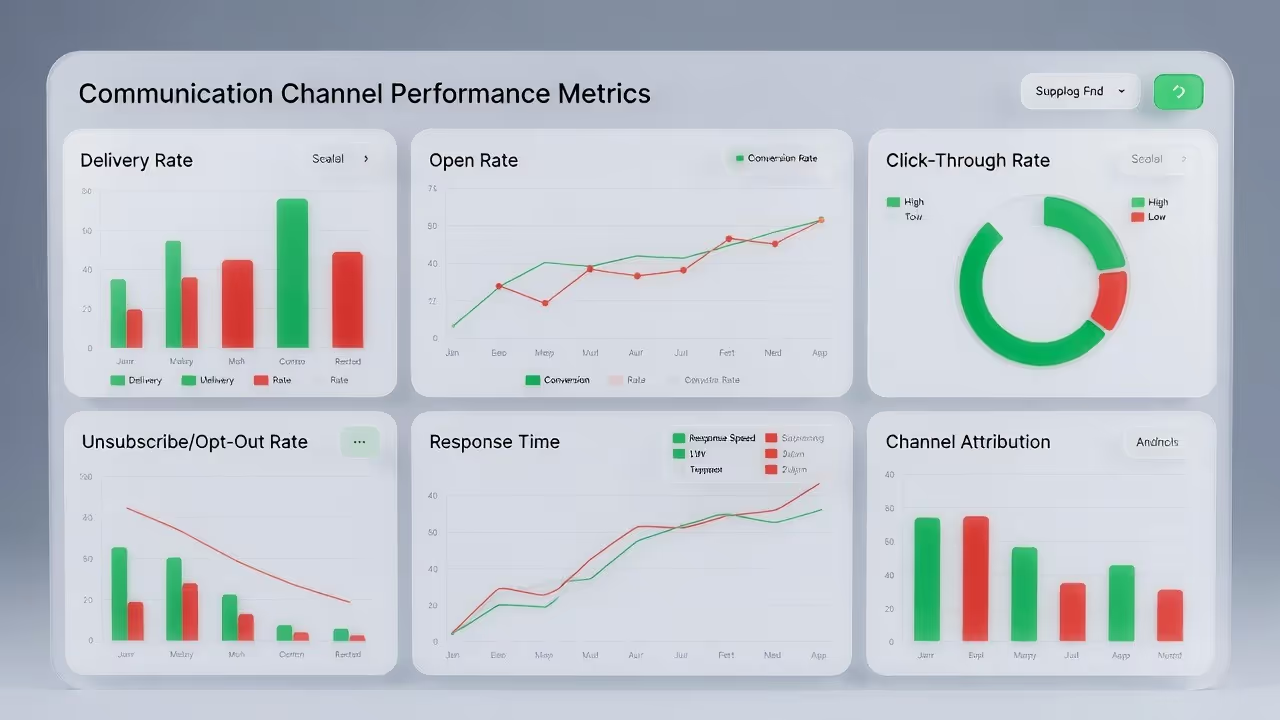
You can't improve what you don't measure. Your CRM should track these metrics for each communication channel:
- Delivery rate: Are your messages actually reaching players?
- Open rate: Are players engaging with your messages?
- Click-through rate: Are they taking action?
- Conversion rate: Are they depositing, playing, or completing whatever goal you set?
- Unsubscribe/opt-out rate: Are you annoying people?
- Response time: How quickly do players act on time-sensitive messages?
- Channel attribution: Which channels get credit for conversions?
Compare performance across channels to identify strengths and weaknesses. Maybe your email open rates are great but clicks are low – that's a content problem. Maybe SMS has incredible click-through rates but low conversion – that might be a landing page issue.
Look at cross-channel journeys too. The most valuable insights often come from understanding how channels work together. Players who receive an email followed by a push notification might convert at twice the rate of those who only get the email.
Getting Started: A Practical Roadmap
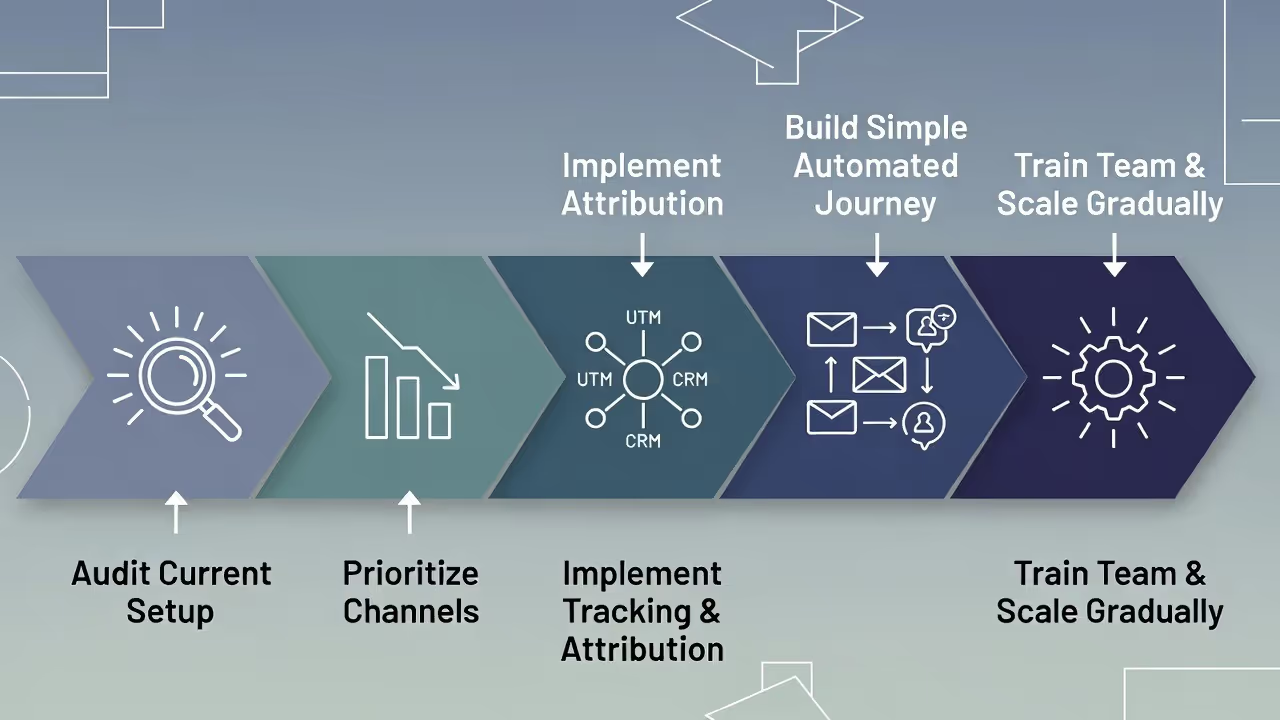
If you're building a multi-channel communication strategy from scratch, here's how to approach it:
First, audit your current setup. What channels do you have access to? Which ones are you actually using well? Where are the gaps? Be honest about what's working and what isn't.
Next, prioritize based on your players. Survey your active users to understand their communication preferences. Look at your existing data to see which channels drive the most engagement. Start with the channels that will have the biggest impact.
Implement tracking and attribution. Before you scale up, make sure you can measure results accurately. Set up UTM parameters, implement event tracking, and ensure your CRM captures cross-channel journeys.
Build your first automated journey. Start simple – maybe a welcome series that uses email and push notifications, or a re-engagement campaign that starts with email and escalates to SMS. Test, refine, and expand from there.
Train your team. Everyone touching your CRM needs to understand how the channels work together. A support agent should know that the player complaining about too many messages can adjust preferences. A marketing manager should understand how to coordinate campaigns across touchpoints.
Scale systematically. Add channels gradually. Perfect your email and SMS strategy before adding in-app messaging and push notifications. Each new channel multiplies complexity, so build a strong foundation first.
The Future of Communication Channels in iGaming
Technology keeps evolving, and new channels emerge constantly. Chatbots and AI assistants are becoming communication channels in their own right, providing instant, personalized support and recommendations. Voice assistants might eventually play a role, though that's further off for iGaming given regulatory considerations.
The trend is clearly toward more integration and intelligence. Future CRM systems will use AI to determine not just what to send and when, but also which channel will work best for each individual message. They'll adjust in real-time based on player state and context, creating truly adaptive communication strategies.
Privacy regulations will shape how these channels work too. Players will demand more control over how they're contacted, and platforms that respect those preferences will build stronger trust. The winning approach will balance automation and scale with personalization and respect.
Frequently Asked Questions
What's the difference between multi-channel and omnichannel communication?
Multi-channel means using several different communication methods – email, SMS, push notifications – but they might operate independently. Omnichannel takes it further by creating a unified experience where all channels work together seamlessly, sharing data and context. In omnichannel, a conversation started via email can continue through SMS without the player needing to repeat information.
How many communication channels should an iGaming platform use?
There's no magic number. Start with the essentials – email and one real-time channel like SMS or push notifications. Add more channels as you can manage them effectively. Quality matters more than quantity. Three well-executed channels will outperform six poorly coordinated ones every time.
How do you prevent players from getting overwhelmed by messages?
Implement frequency capping, respect player preferences, and use smart targeting so players only receive relevant messages. Your CRM should track total message volume across all channels and prevent oversaturation. Also, let players control their communication preferences easily – that transparency builds trust.
Which communication channel has the best ROI in iGaming?
It varies by audience and use case. Email typically has the best ROI for detailed promotions and retention campaigns. SMS excels for time-sensitive offers and urgent communications. Push notifications work well for in-the-moment engagement. The real power comes from using them together strategically rather than relying on any single channel.
Can you automate communication without losing personalization?
Absolutely. Modern CRM systems let you set up automated workflows that still feel personal because they're triggered by individual player behavior and customized based on player data. The key is using automation to scale your personalization efforts, not replace the human touch entirely. Your automated messages should feel like they were crafted specifically for each player, because in a sense, they are.
How often should communication strategies be reviewed and updated?
Review performance metrics weekly or bi-weekly to catch any immediate issues. Conduct a deeper strategy review quarterly to assess what's working, what's not, and what needs to change. Player behavior shifts, new channels emerge, and your business goals evolve – your communication strategy should adapt accordingly.
Final Words
Communication channels are the nervous system of your player relationships. Get them right, and you create an experience that feels attentive, helpful, and engaging. Get them wrong, and you're just another casino sending spam.
The players who stick around and generate real value are the ones who feel connected to your platform. Multi-channel communication, when done thoughtfully, creates those connections at scale. Start with a clear strategy, respect your players' preferences, and let data guide your decisions.
Did you find this article helpful? If so, consider sharing it with other industry professionals such as yourself.