


Player Data Orchestration: Event Schema for iGaming Analytics
%20(1).avif)
Your player data is everywhere. Some of it lives in your game servers, scattered across MySQL tables that made sense back in 2019. Your payment data, meanwhile, is stuck in a separate PostgreSQL database. Real-time events? Floating somewhere in Kafka topics that your data team set up but never quite documented. And every time someone asks, "Why did high-value players churn last month?" you spend three days stitching spreadsheets together instead of actually fixing the problem.
This is the reality for most iGaming operators. Not because anyone's doing their job poorly, but because the industry exploded so fast that our data architecture became an archaeological site – layers of systems built on top of each other, each making perfect sense at the time, but collectively creating a nightmare of fragmentation.
The truth is, without a standardized player event schema and taxonomy, you're flying blind. You can't personalize experiences, can't predict churn, and can't build the kind of loyalty programs that actually keep players engaged. Let's fix that.
Why Your Gaming Analytics Are Probably a Mess

Tencent Games, the world's largest gaming company, faced exactly this problem. Their data was splintered across Hadoop clusters for game logs, MySQL for player profiles, and Druid for real-time analytics. Getting a unified view of player behavior required so much manual work that by the time insights emerged, they were already outdated. Sound familiar?
The core issue isn't lack of data, but lack of structure. Every system captures events differently. Your payment gateway logs transactions one way. Your CRM tracks engagement another. Meanwhile, your actual game probably has a third system entirely. When these systems can't speak the same language, you end up with what data engineers call "integration hell."
{{cta-banner}}
For iGaming specifically, this fragmentation kills your competitive edge. Player segmentation gets fuzzy. You can't tell if someone stopped playing because they got bored or because their credit card declined three times in a row. Without connecting those dots, your retention campaigns miss the mark, and your acquisition costs keep climbing.
What Is a Player Event Taxonomy, Really?
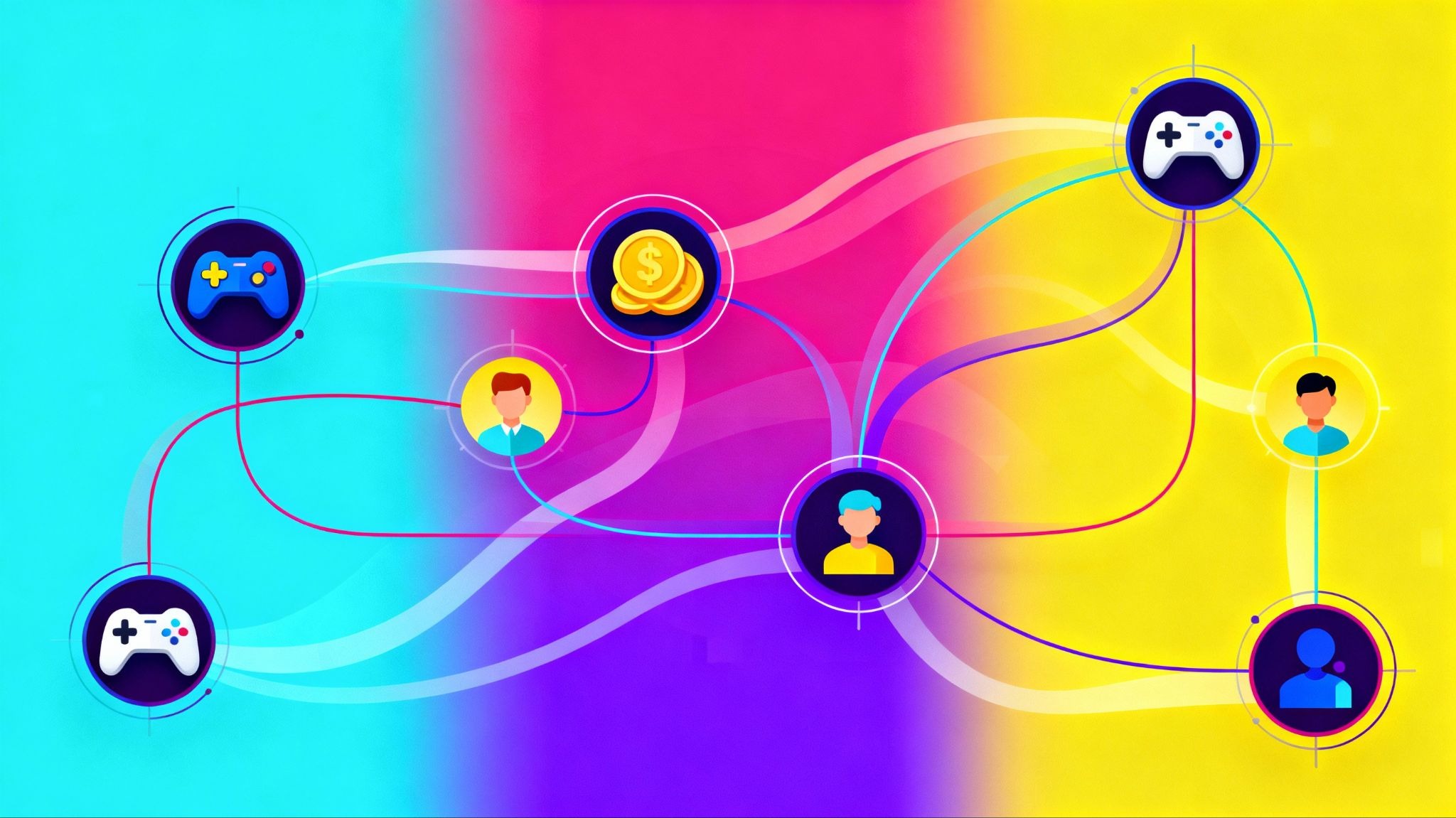
Think of an event taxonomy as the dictionary your data systems use to talk to each other. It's a standardized way of naming and categorizing every meaningful action a player takes – whether that's logging in, placing a bet, hitting a jackpot, or rage-quitting after a losing streak.
Academic research on online gambling activities shows that effective taxonomies differentiate games based on four key dimensions: payment requirements, role of skill, platform type, and how central the gambling theme is to the experience. But for player analytics, you need something more granular.
A proper player event taxonomy has three levels:
- Category: Broad event type (authentication, gameplay, monetization, social)
- Action: Specific verb (login, bet, purchase, share)
- Attributes: Contextual data (amount, timestamp, success/failure, location)
This hierarchy means when someone says "player completed level," every system knows exactly what that means, what metadata to include, and where to store it. No ambiguity. No translation layer. No data team nightmares.
The Anatomy of a Unified Event Schema

Let's get specific. Based on real-world implementations from platforms like GameAnalytics, a robust event schema uses a three-tier hierarchy structure that could look like world:stage:level to indicate exactly where the player is in their journey.
Here's what a standardized event actually looks like in practice:
text
{
"event_id": "progression:level_complete:casino_slots",
"player_id": "user_12345",
"session_id": "sess_abc789",
"timestamp": 1733401923,
"status": "complete",
"progression": {
"world": "slots",
"stage": "high_roller",
"level": "bonus_round_3"
},
"metrics": {
"wager_amount": 50.00,
"winnings": 125.00,
"duration_seconds": 145
},
"custom_fields": {
"promotion_active": "weekend_bonus",
"device_type": "mobile_ios"
}
}
This structure gives you everything. The hierarchical event ID tells you what happened and where. The status field captures success, failure, or abandonment. The metrics capture business value. And custom_fields let you attach campaign-specific data without breaking the core schema.
For resource flow events – like tracking virtual currencies – the pattern is equally precise. When a player sources 5 gems from a purchase, you log EGAResourceFlowType.Source, the currency type, amount, and item ID. When they sink 3 gems into gameplay, same structure, different flow type. This consistency is what makes unified analytics possible.
Open-Source Framework: What It Looks Like in Practice

The good news is that you don't have to build this from scratch. The GameAnalytics platform provides open-source SDKs that implement these exact patterns, with C# libraries showing how progression events track level attempts with Start, Fail, and Complete statuses. Their GitHub repositories demonstrate how to maintain event hierarchy integrity while supporting custom fields for your specific needs.
Bitmovin's player event tracking follows similar principles, offering open-source access to custom collectors for analytics systems. Their documentation shows how playback events — like source selection, metadata loading, and state changes – follow predictable patterns you can hook into for custom reporting.
What makes these frameworks valuable isn't just the code, but also the thinking. They've already solved problems like:
- Event deduplication when the same action fires twice
- Batching to reduce server load while maintaining real-time insights
- Privacy compliance with automatic PII scrubbing
- Offline queuing so no events get lost when connectivity drops
You can fork these repositories, adapt the schemas to your specific casino events (like bet:placed:roulette or bonus:claimed:welcome_package), and have a production-ready system in weeks instead of months.
From Chaos to Clarity: Real-Time Orchestration

Having a schema is step one. Getting data to flow through it in real-time is step two. This is where orchestration platforms change the game.
Modern gaming pipelines ingest player events into Kafka topics, process them with stream processors like RisingWave, and create materialized views for instant analysis. Instead of waiting for nightly ETL jobs, your marketing team sees player behavior as it happens. When a high-value player has three failed deposits in a row, your VIP manager gets alerted before they churn.
Payment orchestration works the same way. Platforms like Paymid consolidate transaction data from multiple payment service providers into a unified interface, letting you compare processor performance by region, method, and transaction type in real-time. This visibility supports faster decisions about routing configurations and processor selection – critical when payment failures directly impact player retention.
The architecture looks like this:
Raw Events → Kafka → Stream Processor → Unified Storage → Analytics Engine → Dashboards/ML Models
Companies like Tencent moved to Apache Iceberg for unified storage and StarRocks for real-time analytics, enabling them to handle billions of daily events while supporting complex queries with sub-second latency. That's the standard you're competing against.
Why This Matters for iGaming Specifically

Casino operators face unique data challenges. Regulatory compliance requires meticulous transaction logging. Responsible gaming mandates require tracking behavioral indicators in real-time. And the sheer velocity of bets – especially during live sports events—creates data volumes that break traditional analytics systems.
Player segmentation models in iGaming must account for factors like:
- Betting frequency and volume patterns
- Game preference clusters (slots vs. table games vs. live dealer)
- Deposit method reliability
- Bonus utilization rates
- Time-to-churn signals
A unified event schema captures all these signals in one place. When your CRM automation platform can access real-time betting data, you trigger personalized retention campaigns the moment risk flags appear. When your loyalty program engine sees deposit failures, it automatically extends offers through more reliable channels.
This is where predictive modeling shines. By analyzing patterns in your unified event stream – playtime, purchase history, engagement levels – you can identify high-value players before they fully mature and prioritize retention efforts accordingly. But only if your data lives in one coherent system.
Smartico.ai: The First Unified Gamification CRM
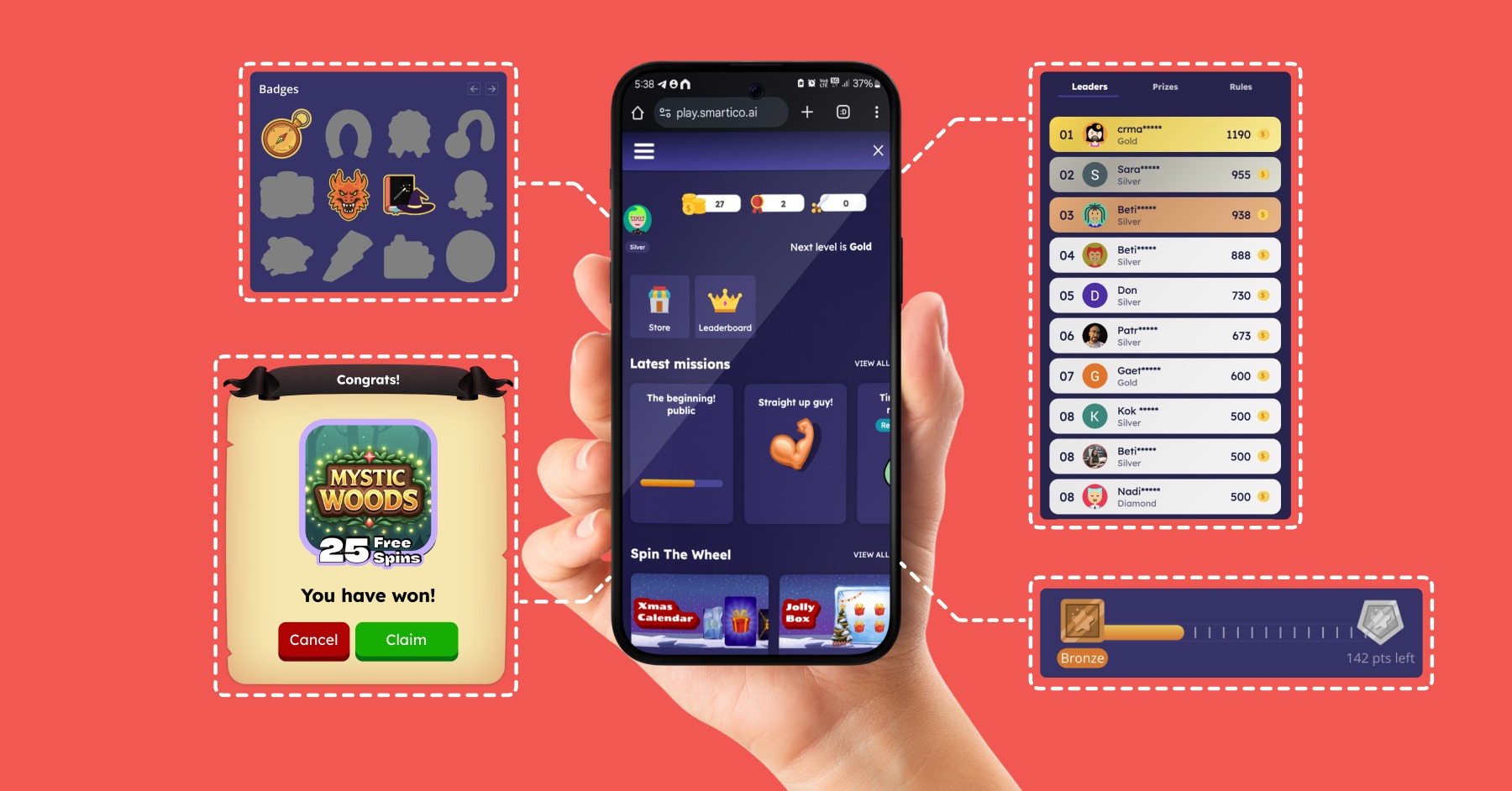
Smartico.ai launched in 2019 with a simple but powerful idea: what if Gamification and CRM Automation weren't separate products? What if you could orchestrate player engagement, loyalty programs, and personalization from a single solution?
That's exactly what they built. Smartico.ai combines real-time gamification mechanics with CRM automation tools, creating the first truly unified powerhouse for iGaming operators. Instead of duct-taping together a loyalty vendor, a segmentation tool, and a campaign manager, you get one system where everything talks to everything else.
The software handles player segmentation based on behavioral patterns, automates multi-channel marketing across email and push notifications, and personalizes every touchpoint based on real-time event data. When a player hits a milestone, Smartico triggers a celebration animation and simultaneously updates their CRM profile, adds loyalty points, and sends a personalized offer – all without manual intervention.
For operators drowning in data fragmentation, Smartico functions as both life raft and speedboat. It doesn't just organize your player events; it activates them. Its personalization engine uses your unified event stream to deliver experiences that feel individually crafted, turning casual players into loyal advocates.
Request a demo below to see how Smartico's unified architecture transforms scattered player data into orchestrated engagement.
{{cta-banner}}
5 Key Components of a Bulletproof Event Schema
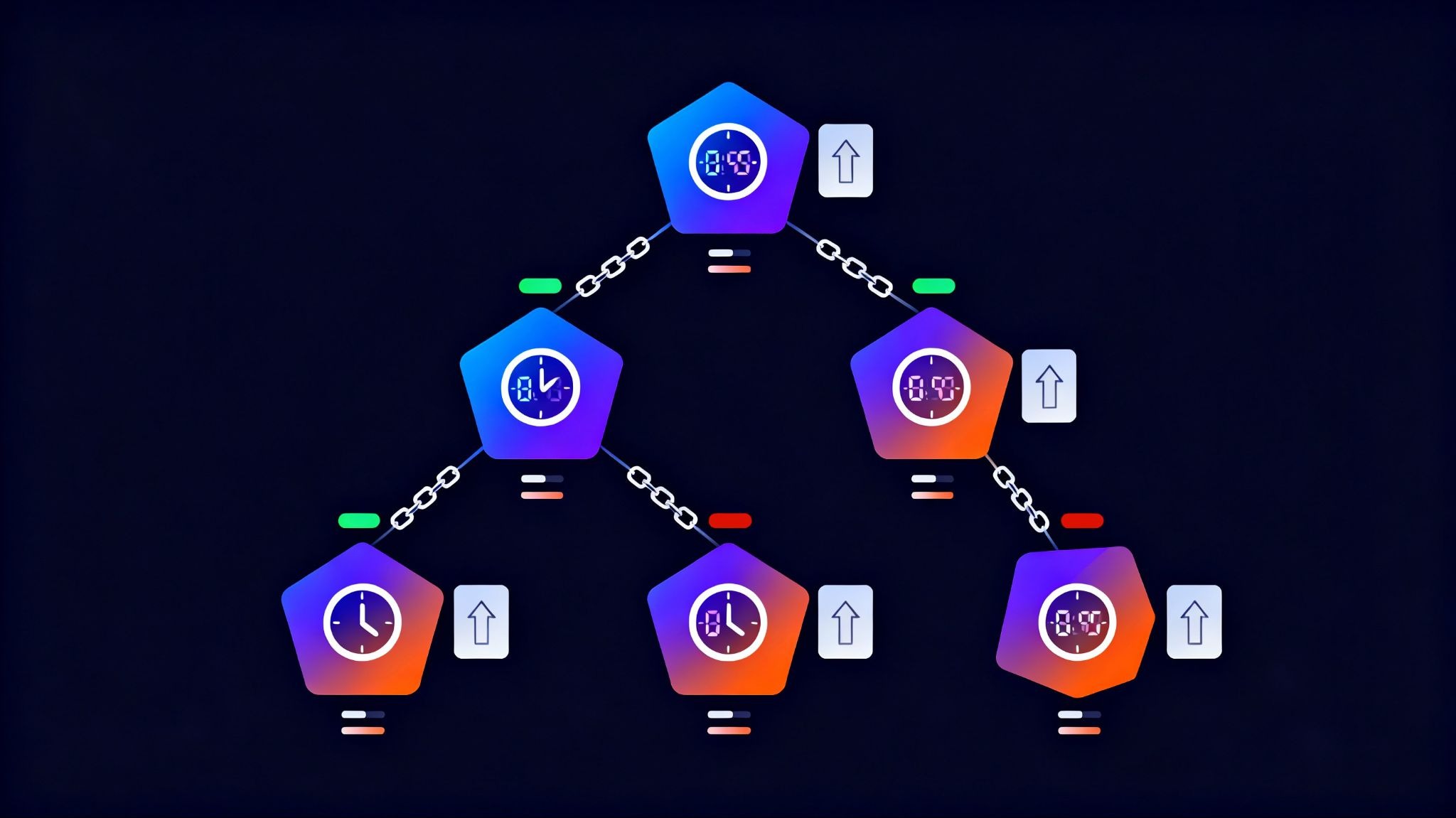
1. Hierarchical Event IDs
Use colon-separated tiers like category:action:detail. This creates natural grouping for analysis while maintaining specificity. bet:placed:blackjack_live tells you more than just "bet placed".
2. Immutable Timestamps
Log Unix timestamps at event generation, not ingestion. This prevents timestamp drift when systems get backed up, ensuring your funnel analytics reflect actual player behavior sequences.
3. Session Context
Always include session_id and player_id. When analyzing player journeys, you need to distinguish between someone trying five deposits in one frustrated session versus five deposits over a month.
4. Status Enumeration
Use explicit status fields (Start, Complete, Fail, Abandon) rather than inferring from absence. This makes failure analysis straightforward and prevents null-handling bugs.
5. Extensible Custom Fields
Reserve a key for campaign-specific data without bloating the core schema. This lets marketing teams attach A/B test variants or promotion codes without requiring database migrations.
FAQ
What's the difference between event taxonomy and event schema?
Taxonomy is the naming convention – the dictionary that defines what events mean. Schema is the technical structure – the JSON fields, data types, and validation rules. You need both: taxonomy ensures humans agree on definitions, schema ensures machines can process them consistently.
How do I migrate from fragmented analytics to a unified system?
Start with dual logging. Keep your existing systems running while you add a new unified event stream alongside them. Run parallel for 30 days to validate data quality, then gradually migrate dashboards and campaigns. Never switch cold turkey – event data is too critical to get wrong.
What data privacy considerations apply to player event tracking?
GDPR and similar regulations require explicit consent for behavioral tracking. Your schema should include a consent_status field that gates event collection. Also, design custom fields to avoid collecting PII directly – hash player IDs, anonymize IPs at collection, and never log credit card numbers or personal details in event streams.
Can open-source event schemas handle casino-specific regulations?
Yes, but you must extend them. Add regulatory fields like aml_review_required or responsible_gaming_flag to your custom sections. The IAB Gaming Measurement Framework provides baseline standards, but iGaming operators need additional fields for jurisdiction-specific compliance.
How does real-time orchestration affect server costs?
Stream processing costs more than batch, but the business impact usually justifies it. Failed deposit alerts within seconds prevent churn worth far more than the extra compute. Most operators see 10-15% infrastructure cost increases but 30%+ improvements in retention campaign effectiveness.
Stop Drowning in Data
Here's the honest truth: most iGaming operators are sitting on goldmines of player data but can't access the value because it's trapped in incompatible systems. Building a unified event schema is a business transformation.
When your progression events, resource flows, and player interactions all speak the same language, you finally get the 360-degree player view that modern retention requires. Your CRM automation becomes surgical. Your gamification feels personal. Your loyalty programs actually drive loyalty.
Player data orchestration with a standardized event taxonomy turns analytics from a monthly reporting chore into a real-time competitive weapon. The frameworks exist. The open-source tools are ready. The only question is whether you'll keep duct-taping spreadsheets together or build something that scales.
Request a demo of Smartico.ai to see unified player data orchestration in action. Because your players deserve better than fragmented experiences – and so does your revenue team.
Did you find this article helpful? If so, consider sharing it with other industry professionals such as yourself.
Ready to use Smartico?
Join hundreds of businesses worldwide engaging players with Smartico.