


The Ultimate VIP Automation Playbook: Scaling Personal Touch Without Losing Humanity
Your VIP manager just sent you their resignation email. Again.
They're the third one this year. You can't blame them. Managing hundreds of high-value players while trying to make each one feel special is like trying to juggle flaming swords while riding a unicycle. Something's got to give.
But the problem isn't your team. The problem is treating VIP program automation like it's an all-or-nothing game. Either you automate everything and watch your players complain about feeling like numbers, or you keep everything manual and watch your team burn out faster than a candle in a windstorm.
There's a better way. And it starts with understanding what actually needs your human touch versus what's begging to be automated.
The Tension Every VIP Manager Knows Too Well

Here's what keeps VIP managers up at night: how do you make 500 players feel like they're your only player?
You can't. At least, not without help.
The traditional approach to VIP program management looks something like this. A player hits a deposit milestone. Someone notices (hopefully). Someone else manually updates their tier status (eventually). Then someone remembers to send them a congratulations message (if they're lucky). By the time the whole process is done, the player has already logged off feeling ignored.
{{cta-banner}}
Meanwhile, your actual high-touch moments, including the birthday calls, the personal check-ins after a rough streak, and the conversations about upcoming tournaments, and so on, get rushed or skipped entirely because your team spent all morning updating spreadsheets.
The real challenge is figuring out where each one belongs.
What Actually Deserves the Human Touch

Before you automate everything in sight, let's talk about what players actually value from human interaction.
- Building Real Relationships – When a player has been losing for three days straight, they don't want an automated "We noticed you've had some bad luck" email. They want someone who remembers their name and genuinely checks in. That's the stuff you can't fake with automation, and players can smell a generic message from a mile away. Personal account managers become valuable when they actually know their players. They remember that Sarah prefers slots over table games. They know that Mike always plays late at night after his shift ends. They understand that Jennifer gets anxious about withdrawal times and needs extra reassurance.
- Handling Complex Situations – When something goes wrong – a disputed transaction, a technical glitch during a big win, or a player who's clearly going through a tough time – automation falls flat. These moments need judgment calls, empathy, and the kind of problem-solving that only humans can provide. A player who just lost a significant amount needs a real conversation, not a canned response. Someone celebrating a major win wants to share their excitement with an actual person who cares. Regulatory concerns and responsible gaming situations definitely require human oversight and intervention.
- Creating Memorable Experiences – The moments your online casino players remember years later? Those are almost always human-powered. The personal phone call on their birthday. The handwritten note with their bonus. The account manager who remembered they mentioned their daughter's graduation and asked how it went. These touches cost time and money. But they create loyalty that no automated campaign can match.
What's Screaming to Be Automated
Now here's where most operators get it backwards. They spend countless hours on tasks that automation handles better, faster, and more consistently than any human ever could.
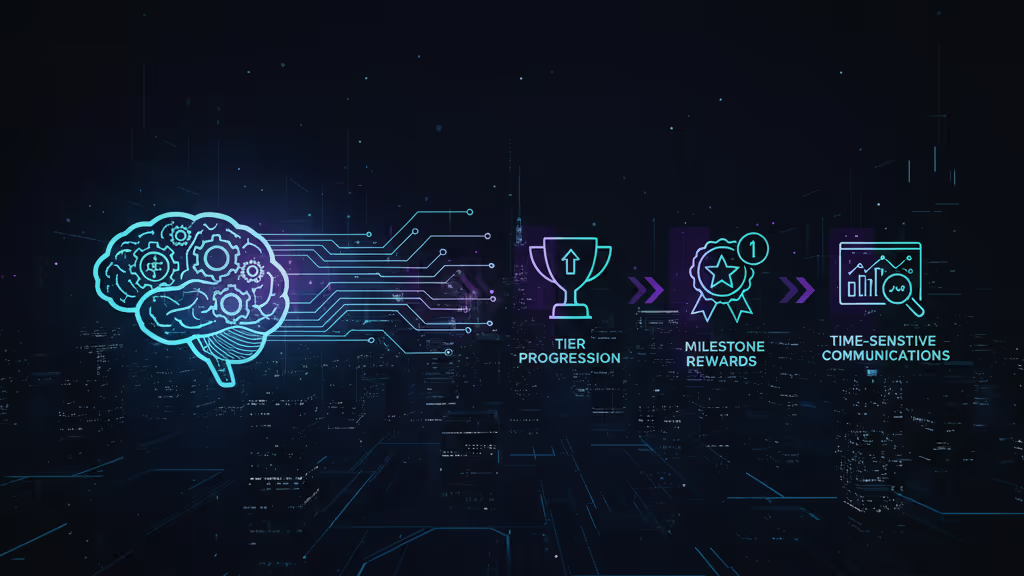
Tier Progression and Status Updates
Nothing frustrates players more than hitting a milestone and hearing crickets. Automated tier progression fixes this instantly. A player makes their 50th deposit at 2 AM on a Tuesday. The system immediately upgrades their status, sends a congratulations message, and unlocks their new benefits.
No waiting. No manual checking. No player sitting there wondering if anyone noticed their loyalty.
Milestone Rewards and Recognition
Players hit milestones constantly. First deposit. 100th session. Six-month anniversary. Monthly wagering targets. Trying to track these manually is like trying to catch raindrops with a teaspoon.
Automated systems catch every single milestone and reward it instantly. Players get recognition when it matters – right when they achieve something – not three days later when someone finally processes the backlog.
Time-Sensitive Communications
Send this email Tuesday at 3 PM. Send that SMS when they haven't logged in for 48 hours. Send this bonus offer three hours after they make a deposit.
Humans are terrible at timing. We forget. We get busy. We're not working when the perfect moment happens. Automation never sleeps, never forgets, and hits every window of opportunity.
Data Analysis and Segmentation
Your top-spending player just changed their behavior pattern. A group of mid-tier players suddenly started churning. Your weekend tournament participants have different preferences than your weekday grinders.
Spotting these patterns manually is basically impossible. By the time a human notices the trend, half your players have already left. Automated systems catch behavioral changes in real-time and adjust strategies instantly.
The Framework That Actually Works

The best VIP programs use automation to handle systematic tasks while freeing up teams to focus on high-value relationship building. Here's how to split the work:
Automated Foundation Layer
This is your program's infrastructure. Points accumulation happens automatically. Tier upgrades trigger instantly when thresholds are met. Reward distribution happens without manual intervention. Status tracking updates in real-time across all systems.
When these systems run smoothly in the background, nobody notices them. When they require manual work, everything falls apart.
Triggered Communication Layer
Smart loyalty programs use behavioral triggers to send messages at optimal times. Players receive welcome series messages automatically when they join. Milestone congratulations arrive the moment they're earned. Win/loss communications adjust based on recent activity. Dormancy alerts trigger when engagement drops.
The key word here is "triggered." These aren't scheduled blasts. They're personalized responses to what players actually do.
Strategic Human Layer
This is where your team adds the irreplaceable human element. Personal check-ins happen regularly with top-tier players. Complex issues get handled with care and judgment. Special events receive that personal touch. Relationship building happens through genuine conversations.
Your VIP managers stop being data entry clerks and start being actual relationship managers.
Common Mistakes That Kill VIP Programs
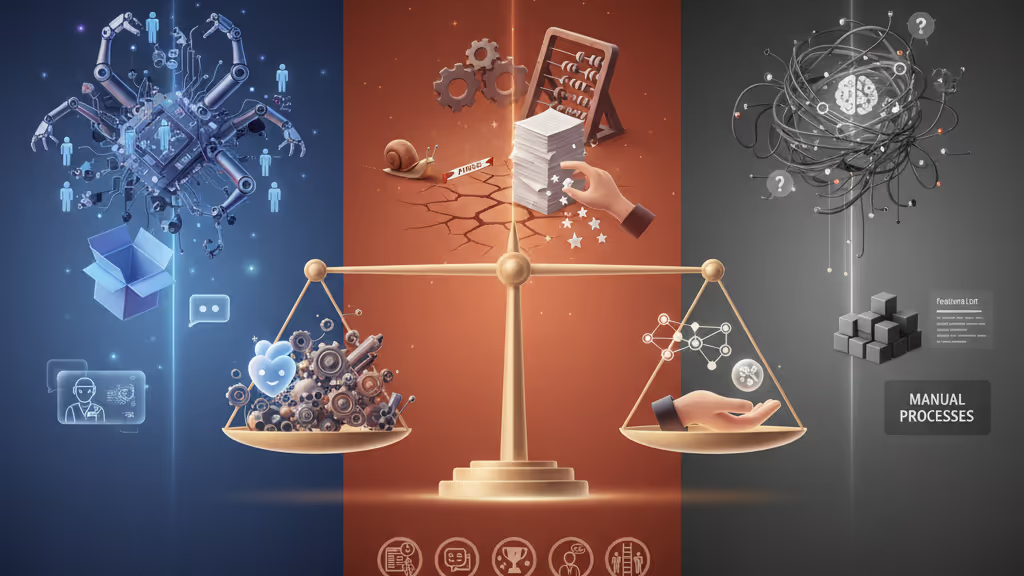
Over-Automating the Wrong Things
Some operators get automation-happy and try to automate every single touchpoint. They send automated birthday wishes that feel generic. They use chatbots for situations that desperately need human warmth. They schedule everything and trigger nothing.
Players notice. And they hate it.
Under-Automating the Foundation
On the flip side, some operators resist automation entirely. They insist on manually reviewing every tier change. They manually send every milestone reward. They pride themselves on being "hands-on."
Meanwhile, players wait days for responses that should be instant. Mistakes pile up. Teams burn out. And competitors with better systems eat your lunch.
Forgetting the Why Behind the What
The worst mistake is automating without strategy. You automate things because everyone else is doing it, not because it serves your players better. You pick systems based on features lists instead of actual needs.
Automation should make your players' experience better and your team's job more focused. If it's not doing both, something's wrong.
5 Signs Your VIP Program Balance Is Off

- Your team spends more time in spreadsheets than talking to players - This means you're manually doing work that should be automated.
- Players complain your messages feel robotic - This means you're automating communication that needs human touch.
- Milestones get missed regularly - Your automation foundation has gaps that are hurting player experience.
- Your VIP managers can't remember player names - They're drowning in administrative work instead of building relationships.
- You can't scale without hiring more people - Your manual processes don't scale, and your automation isn't carrying enough weight.
Building Your Automation Strategy

Start by mapping every single touchpoint in your VIP program. Every email, every status change, every reward, every interaction. Then ask three questions about each one:
Does this require human judgment? If yes, keep it human. Does this need to happen at a specific behavioral trigger or time? If yes, automate it. Does this create a memorable moment for the player? If yes, add human elements.
Some touchpoints will be purely automated. Others will be hybrid – automated triggers with human follow-up. The expensive, high-impact moments stay completely human.
Automated loyalty programs can increase repeat purchase rates by up to 25% and improve customer retention by 20%. But those numbers only happen when the automation supports relationship-building instead of replacing it.
The Tech That Makes It Possible
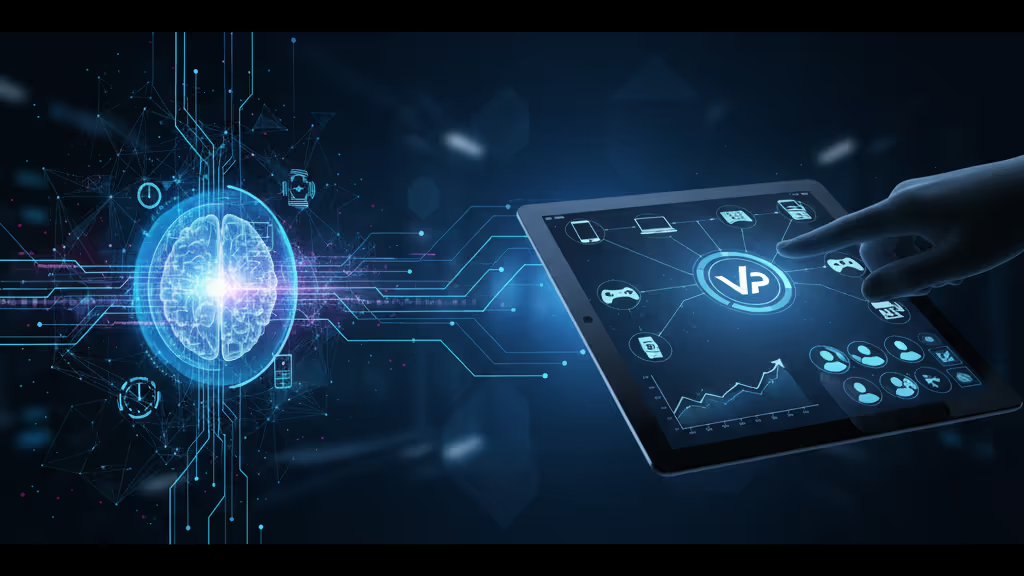
Modern VIP program automation uses real-time data tracking, behavioral triggers, and AI-powered personalization to deliver the right message at the right moment. But technology only matters if it solves real problems.
The right platform tracks player behavior across every touchpoint. It spots patterns humans miss. It triggers communications at optimal moments. It segments players automatically based on actual behavior, not just demographics.
More importantly, it integrates everything into one system. No more juggling five different tools that don't talk to each other. No more manual data transfers. No more players falling through the cracks because information lives in different places.
Smartico: Where Automation Meets Humanity
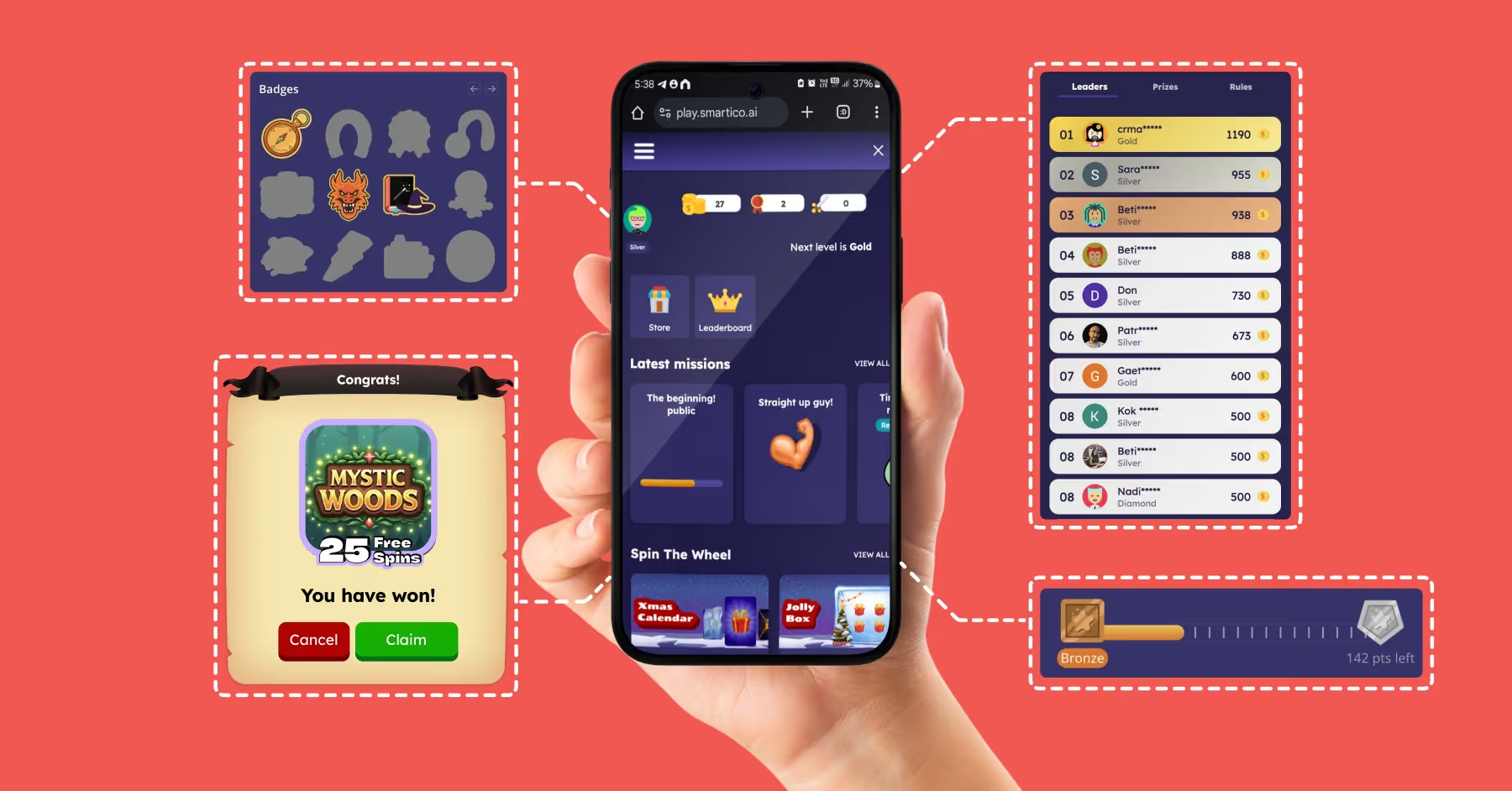
Here's where things get practical. Smartico is the first unified gamification and CRM automation platform built specifically for iGaming operators who understand that automation and personalization aren't enemies – they're partners.
Founded in 2019, Smartico combines real-time CRM automation with gamification tools, creating personalized player journeys that free teams to focus on relationship building. The platform handles everything from automated tier progression to behavioral triggers to real-time campaign management, all from a single unified system.
What makes Smartico different is how it balances the equation. Automated workflows handle repetitive tasks. Behavioral triggers fire at optimal moments. AI models predict player needs before they arise. But the system also gives VIP managers the tools and time to add human touches where they matter most.
The platform includes email, SMS, push notifications, and in-app messaging from one central system, with AI learning which channel works best for each player. Meanwhile, gamification tools like missions, tournaments, and rewards keep players engaged without requiring constant manual management.
{{cta-banner}}
Making the Shift

Moving from manual chaos to strategic automation doesn't happen overnight. Start small. Pick one area – maybe milestone rewards or tier progression – and automate it properly. Measure the results. Learn what works. Then expand.
Your team will resist at first. Change is uncomfortable, especially when people worry automation means they're not needed anymore. The truth is the opposite. Automation makes their skills more valuable by letting them focus on work that actually requires human expertise.
Your players will notice the difference immediately. Faster responses. Consistent recognition. Rewards that arrive when they should. And when they need real help or want real connection, actual humans with time and attention.
FAQ
Q: How do I know which VIP tasks to automate first?
Start with anything that happens on a schedule or trigger that you're currently doing manually. Tier upgrades, milestone rewards, and dormancy alerts are perfect first candidates. If a task requires zero judgment and happens more than once a day, automate it.
Q: Won't players feel less valued if we automate communications?
Only if you automate poorly. Players feel undervalued when communications are slow, inconsistent, or miss important moments – all problems that happen with manual systems. Good automation makes players feel more valued because recognition happens instantly and consistently. Save your human touches for conversations and problem-solving where they matter most.
Q: What if our team doesn't have technical skills?
Modern VIP automation platforms are built for operators, not developers. You don't need coding skills to set up automated workflows, create triggered campaigns, or segment players. Most platforms include training and support to get your team comfortable with the tools.
Q: How do we measure if our automation strategy is working?
Track both operational and player metrics. On the operational side: time spent on manual tasks, response times, and error rates. On the player side: engagement rates, milestone completion, tier progression speed, and retention numbers. The best indicator is whether your VIP managers have more time for actual relationship-building.
Q: Can we combine automation with responsible gaming requirements?
Yes, and you should. Automated systems can monitor player behavior for warning signs better than humans can, flagging potential issues in real-time. But the follow-up conversations about responsible gaming should always involve trained humans who can assess situations with proper judgment and empathy.
Conclusion
The future of VIP program automation is all about using machines to handle machine work so humans can do human work. Your systems should track milestones, trigger rewards, segment players, and analyze patterns. Your team should build relationships, solve problems, create memorable moments, and make players feel valued.
Get that balance right, and you don't have to choose between scaling your program and maintaining personal touch. You can finally do both.