


Zero-Party Data Collection Through Gamification: Building Trust While Maximizing Personalization
Players are tired of being tracked. But they're perfectly fine with sharing information when there's something in it for them.
That's the thing about zero-party data. Unlike the old way of secretly following people around the internet, this approach asks players directly what they want. And when you make it fun through interactive missions and challenges, they'll tell you everything you need to know.
What Makes Zero-Party Data Different
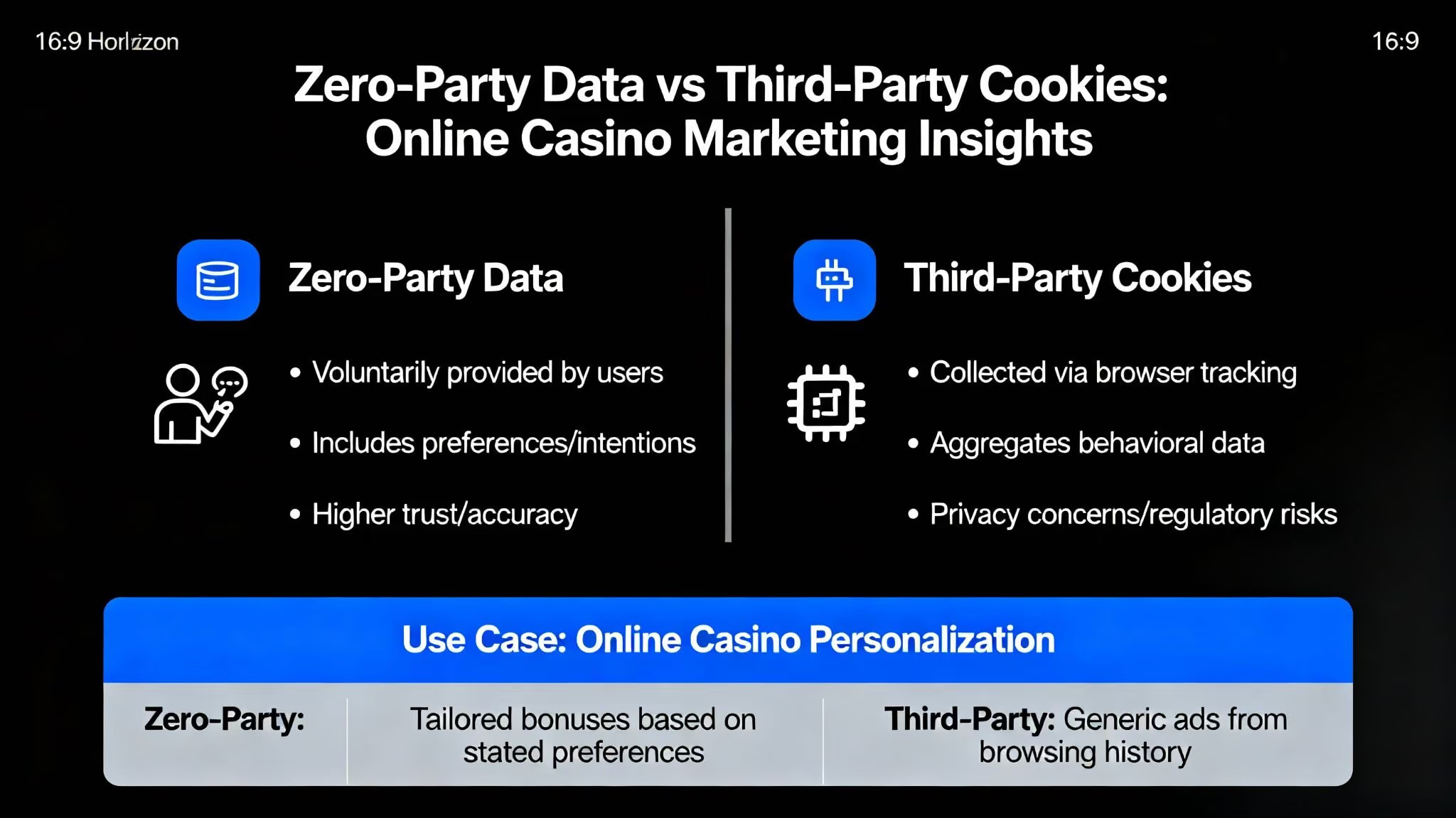
The truth is, third-party cookies are dead. Privacy laws keep getting stricter. Traditional tracking methods that powered online casino marketing for years are becoming useless.
Zero-party data flips the entire model. Instead of guessing what players want based on their clicks, you just ask them. They tell you their favorite games, preferred betting limits, what time they like to play, which bonuses actually matter to them. And they do it willingly.
First-party data comes from watching what players do on your platform. Zero-party data comes from players actively choosing to share it. There's no guessing involved. No algorithms trying to figure out intent. Just straight answers.
{{cta-banner}}
And it's completely compliant with GDPR, CCPA, and every other privacy regulation out there. Because when someone volunteers information, you don't need to jump through legal hoops to use it.
Why Players Actually Share Their Data

People need a reason to hand over personal information.
The value exchange has to be obvious. Share your preferences, get better game recommendations. Complete a quick quiz, unlock a personalized bonus. Tell us your favorite game types, we'll show you exactly what you want to see.
When players see immediate benefits from sharing data, they keep doing it. Consumers will trade data for loyalty rewards and personalized promotions. They just need to trust that you'll actually use it to improve their experience.
Transparency matters here. Players want to know what you're collecting and why. They want control over their information. Give them both, and they'll share more than you ever could have tracked.
The relationship changes entirely. Instead of feeling surveilled, players feel heard. Instead of generic promotions that miss the mark, they get offers that actually make sense for how they play.
How Gamification Turns Data Collection Into Entertainment
Nobody wants to fill out boring forms. But turn those same questions into an interactive game, and suddenly people can't wait to participate.
Interactive missions work because they're fun. Instead of "please complete this survey," you create challenges where players unlock rewards by sharing preferences. Each question becomes part of a larger quest. Every answer moves them closer to something they actually want.
You can structure it like levels in a game. Start with basic preferences. As players progress, ask deeper questions about their gaming habits. Reward each milestone with personalized bonuses, free spins, or exclusive access.
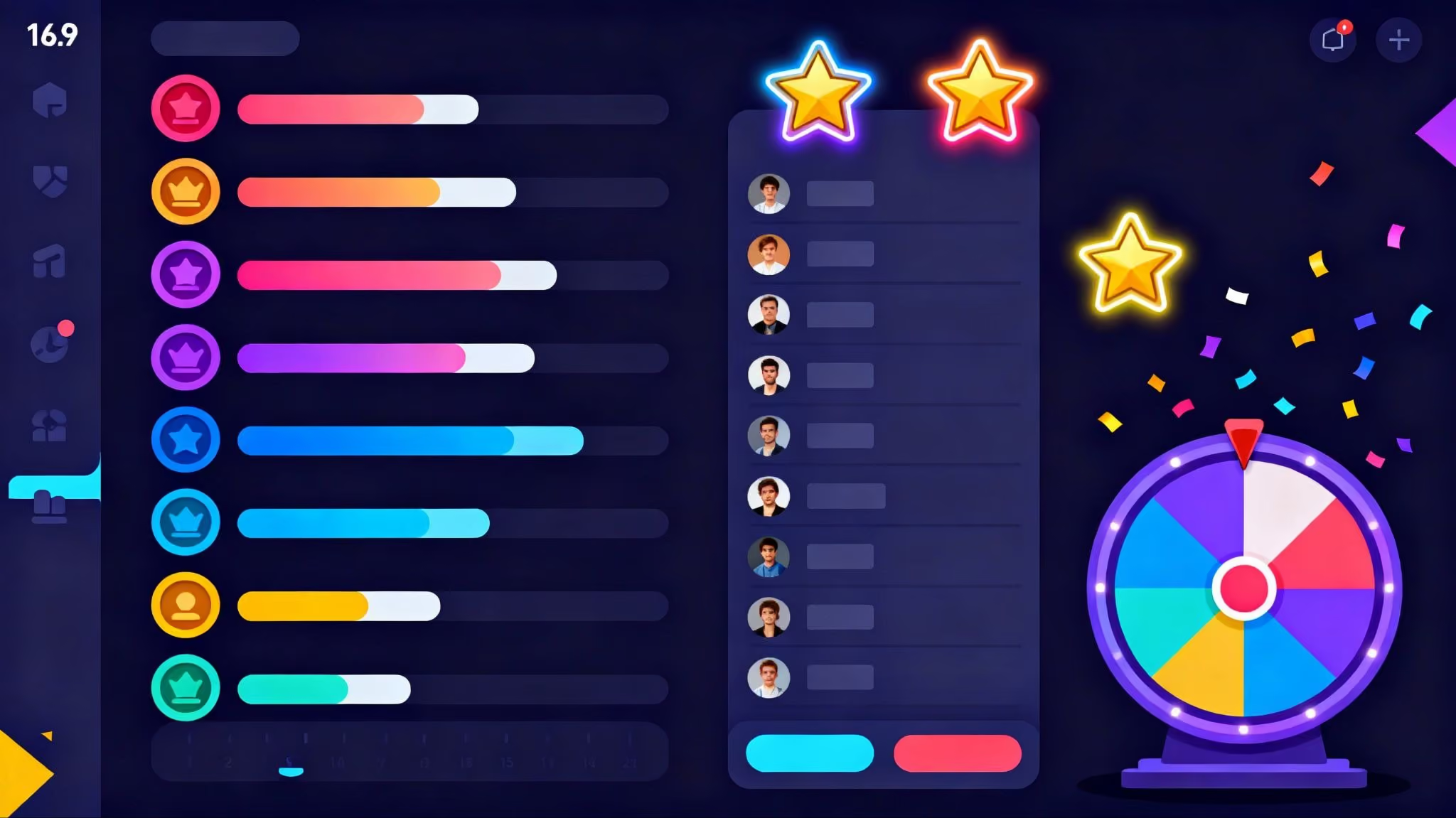
Leaderboards add competition. When players see others completing data-sharing missions, they want to join in. Social proof makes the whole thing feel less like data collection and more like part of the gaming experience.
Progress bars show players how close they are to the next reward. Badges celebrate their achievements. Spin-the-wheel mechanics make revealing preferences feel like winning a prize.
The psychology is simple. People are motivated by achievement, recognition, and progress. Gamification taps into all three while collecting exactly the information you need to personalize their experience.
Building Interactive Missions That Players Want to Complete
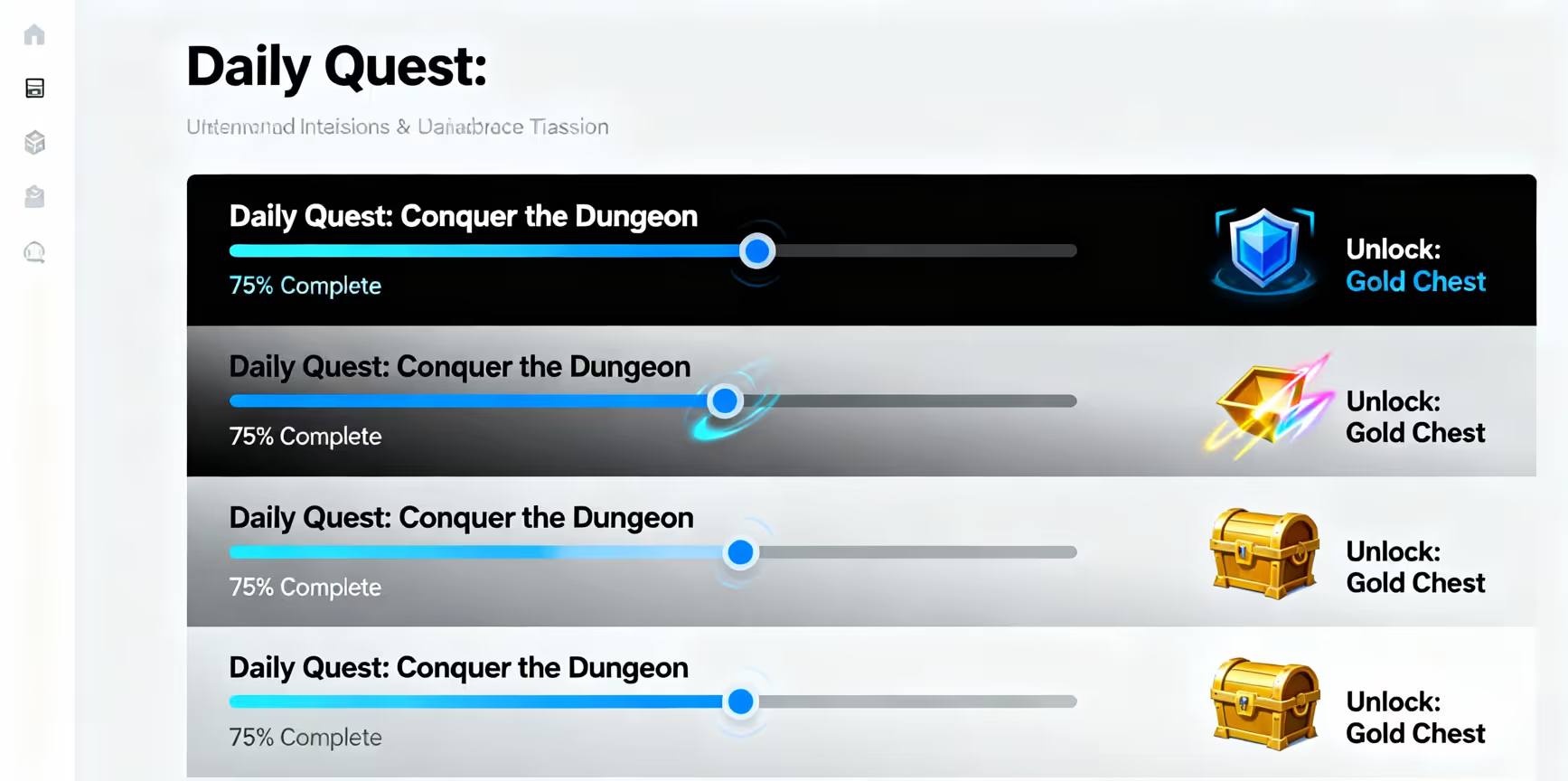
Good missions feel optional, not mandatory. Players should want to participate, not feel forced into it.
Start with easy wins. Simple questions that take seconds to answer. "What's your favorite game type?" Done. Small reward unlocked. Players feel accomplished immediately.
Then layer in deeper engagement. Daily check-in missions that ask about mood or current interests. Weekly challenges where players share gaming goals. Monthly preference updates that refine personalization over time.
Make it varied. Some missions could be quick quizzes about game preferences. Others might be interactive choices between different bonus types. Mix in prediction games where players share what they think they'll enjoy most.
The rewards need to match the effort. Quick question? Small bonus. Detailed preference profile? Significant reward. Players calculate value exchanges constantly. If the payoff isn't worth it, they won't bother.
Keep missions fresh. Rotate challenges based on seasons, new game launches, or player behavior patterns. Nothing kills engagement faster than seeing the same missions every time you log in.
Key elements that make missions work:
- Clear objectives that players understand immediately
- Visible progress tracking so they know how close they are to rewards
- Multiple difficulty levels that match different player types
- Social elements where players can see others participating
- Instant gratification when missions are completed
Creating Preference Centers That Don't Feel Like Work
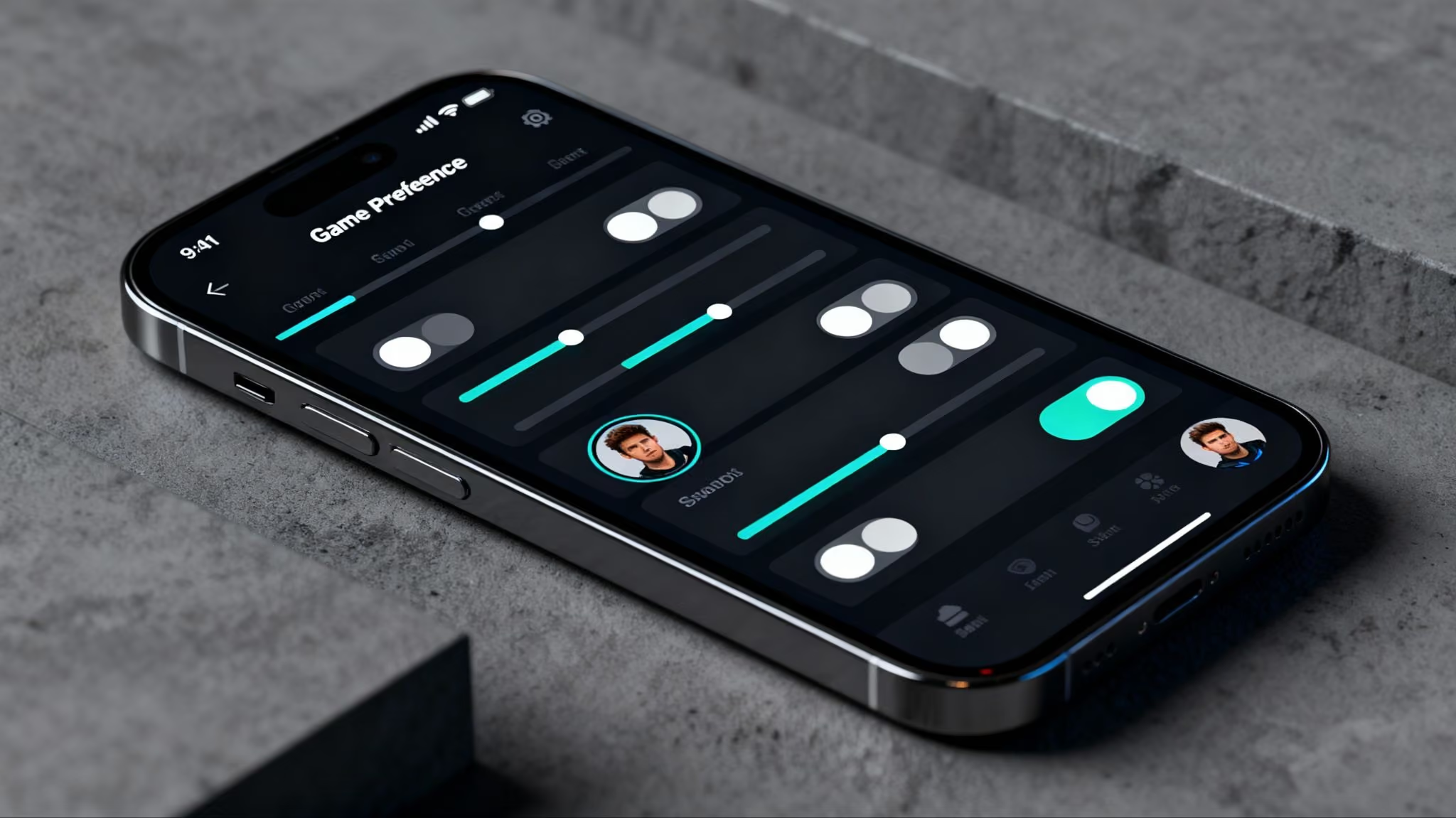
Preference centers traditionally suck. Long forms. Legal language. No fun.
But they're essential for zero-party data collection. This is where players control what you know about them and how you use it.
The trick is making them feel like customization tools instead of data forms. Call it a "Player Hub" or "Gaming Profile." Frame it as a way for players to get exactly what they want from the platform.
Let players set their communication preferences. Email frequency. Notification types. Preferred contact times. Give them granular control, and they'll actually use it.
Game preference sections where players select favorite categories, betting ranges, and bonus types. This directly powers personalization while making players feel in control of their experience.
Visual interfaces work better than text fields. Toggles instead of checkboxes. Sliders for ranges. Interactive elements that respond immediately to changes.
Make it accessible everywhere. Not buried in settings, but prominently featured. Mobile-optimized because that's where most players are. Multi-language support for different markets.
Your preference center should allow players to:
- Choose which games and promotions they see
- Set communication frequency and channels
- Update interests and playing habits easily
- Export or delete their data with one click
- See exactly how their preferences improve their experience
Privacy Compliance as a Competitive Advantage

Privacy regulations aren't going away. GDPR fines for casino operators can reach millions. CCPA requirements keep expanding. Every new market adds more rules.
Zero-party data sidesteps most compliance headaches because it's consent-based by design. Players explicitly choose to share information. You document exactly what they agreed to and when.
But compliance goes beyond legal requirements. It's a trust signal. Players nowadays are more privacy-conscious than ever. They notice which operators respect their data and which ones don't.
Transparent data practices build loyalty. When you clearly explain what you collect and why, players trust you more. That trust translates into higher lifetime value and better retention.
The technical requirements are straightforward. Secure storage with encryption. Access controls limiting who can view player data. Regular audits to catch potential issues.
Consent management platforms handle the documentation side. They track consent changes, preference updates, and withdrawal requests automatically. This creates audit trails that satisfy regulators while protecting players.
The real advantage comes from treating privacy as a feature, not a burden. Operators who lead with transparency and player control attract the audience that others lose to distrust.
How Smartico Turns This Into Reality
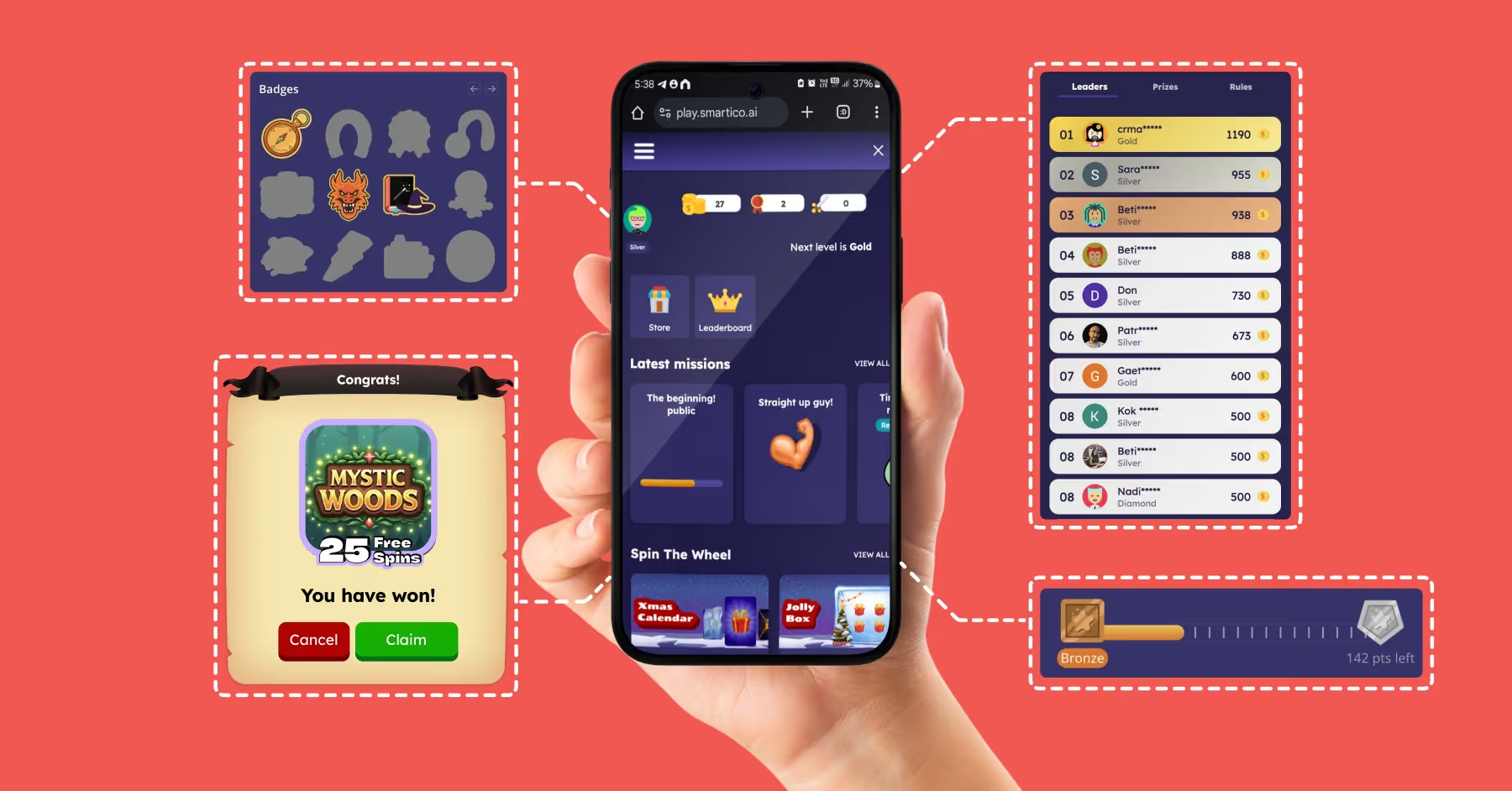
Smartico.ai pioneered the unified Gamification and CRM Automation approach that makes zero-party data collection actually work.
The platform combines real-time behavioral tracking with interactive missions that collect player preferences naturally. Every game played, every mission completed, every preference shared feeds into a unified player profile.
The system includes:
- Customizable mission builders for zero-party data collection
- Automated reward delivery based on shared preferences
- Real-time segmentation using volunteered player information
- Multi-channel communication respecting player preferences
- Predictive analytics that combine behavioral and declared data
Smartico's AI engine uses zero-party data to predict churn before it happens. When a player shares that they prefer slot games but you keep showing them table games, the system flags the disconnect. It automatically adjusts recommendations based on declared preferences.
The gamification suite turns every data collection point into engagement. Loyalty wheels that ask preference questions before spinning. Scratch cards that reveal bonuses matched to shared interests. Daily challenges that update player profiles while delivering entertainment.
Integration works across all major iGaming platforms. The unified CRM means player preferences collected through gamification instantly inform marketing automation, bonus systems, and customer support.
Operators using Smartico report higher engagement from privacy-conscious players who appreciate the transparent value exchange. The software demonstrates that compliance and personalization are two sides of the same strategy.
Want to find out how Smartico can help your business specifically raise revenue like nothing you’ve tried before? Book your free, in-depth demo below,
{{cta-banner}}
Making It Work for Your Operation
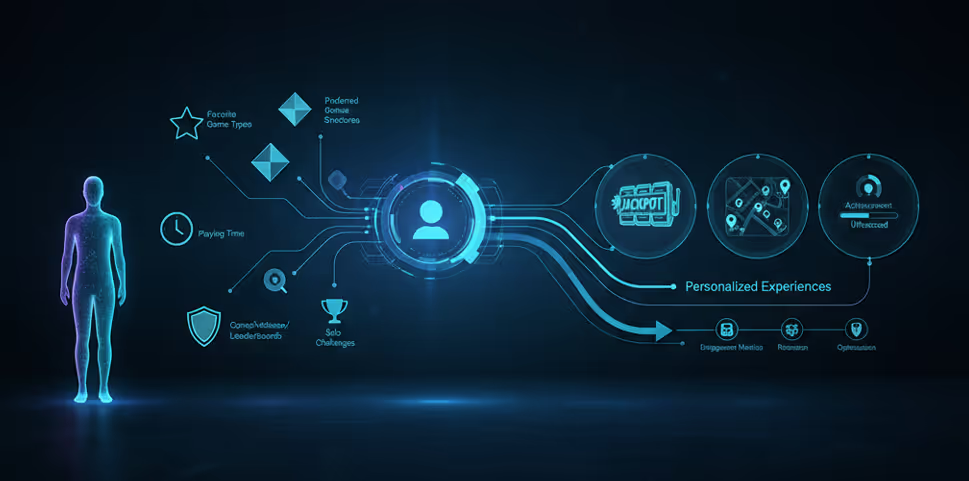
Implementation starts with identifying what you actually need to know about players. Don't ask for information you won't use. Every question should directly improve player experience.
Map the value exchange clearly. What will players get for sharing each piece of information? Generic "better experience" promises don't cut it. Specific rewards for specific data work.
Start small with high-value data points. Favorite game types. Preferred bonus structures. Playing time preferences. Build trust with simple exchanges before requesting deeper information.
Test different mission formats to see what resonates with your player base. Some audiences love competition and leaderboards. Others prefer solo challenges and achievement systems. Match mechanics to your demographic.
Integrate collected data immediately into player experiences. If someone shares that they love progressive jackpots, show them jackpot games right away. Instant personalization proves the value exchange works.
Monitor engagement metrics closely. Track mission completion rates, preference center usage, and how shared data impacts retention. Optimize based on what actually drives player behavior, not assumptions.
Critical success factors:
- Clear value proposition for every data request
- Immediate application of shared preferences
- Transparent communication about data usage
- Easy preference updating and withdrawal
- Continuous optimization based on player response
The Shift That's Already Happening

Forward-thinking operators already see this coming. The old model of tracking everything and asking permission later is dead. The new model gives players control from the start.
Zero-party data collection through gamification is simply better. You get more accurate information because players tell you directly what they want. You build trust because the exchange is transparent. You create engagement because the process is entertaining.
Privacy regulations will keep tightening. Third-party data sources will keep disappearing. Operators who adapt now will own the relationship with their players. Those who don't will struggle with increasingly ineffective marketing based on decreasing data quality.
The technology exists today. The frameworks are proven. The player response is positive when done correctly.
You just need to make the shift from tracking players to actually listening to them.
Frequently Asked Questions
1. How is zero-party data different from first-party data in iGaming?
Zero-party data comes from players actively sharing information through quizzes, preference centers, or interactive missions. First-party data comes from passively observing player behavior on your platform. Zero-party data is more accurate because it reflects stated preferences rather than inferred behavior.
2. Does gamification really improve data collection rates?
Research shows gamified experiences can increase engagement by up to 47% compared to traditional methods. Players are more willing to share preferences when the process feels entertaining rather than administrative. The key is making missions optional and rewarding participation appropriately.
3. What privacy regulations does zero-party data collection need to comply with?
Zero-party data collection must comply with GDPR in Europe, CCPA in California, and similar regulations in other markets. The advantage is that explicitly volunteered data with clear consent is inherently more compliant than passively collected information. You still need proper consent management, secure storage, and transparent policies.
4. Can zero-party data replace behavioral tracking entirely?
The most effective approach combines both. Zero-party data tells you what players say they want. Behavioral data shows what they actually do. Using both together creates the most accurate player profiles and effective personalization strategies.
5. How often should players be asked to update their preferences?
Balance freshness with annoyance. Monthly preference checks work for active players. Quarterly updates for casual players. Trigger preference updates around major account milestones or after significant platform changes. Always make updating optional and rewarding.
6. What's the biggest mistake operators make with zero-party data collection?
Asking for data without delivering immediate value in return. Players need to see their shared preferences actually improve their experience right away. If you collect information and then send irrelevant offers anyway, trust breaks and future data sharing drops.
Conclusion
The future of iGaming personalization is all about listening to players properly. Zero-party data collection through gamification creates a transparent value exchange where both sides win. Players get personalized experiences that actually match their preferences. Operators get accurate data with full compliance and player trust.
Request a Demo of Smartico.ai to see how unified gamification and CRM automation can turn your player data strategy into gold while maintaining privacy-first compliance.