


Zero-Party Data Revolution in CRM: Building Trust Through Transparent Data Exchange
Customers are done with being tracked. They're tired of brands watching their every move online without asking permission first. And honestly, who can blame them?
The good news is that there's a better way to understand your customers. It's called zero-party data, and it's changing how businesses build relationships with people who actually want to hear from them.
What Zero-Party Data Actually Means

Zero-party data is information your customers choose to give you directly. They fill out a survey. They tell you what they like. They update their preferences in your app. That's it. No hidden tracking pixels or complicated algorithms trying to guess what they want.
It’s like having an actual conversation instead of spying through someone's window. You ask questions, they answer, and everyone knows what's happening.
This is different from first-party data, which businesses collect passively when customers browse websites or make purchases. With zero-party data, customers are actively participating. They're telling you things because they expect something useful in return.
Why Customers Are Ready to Share
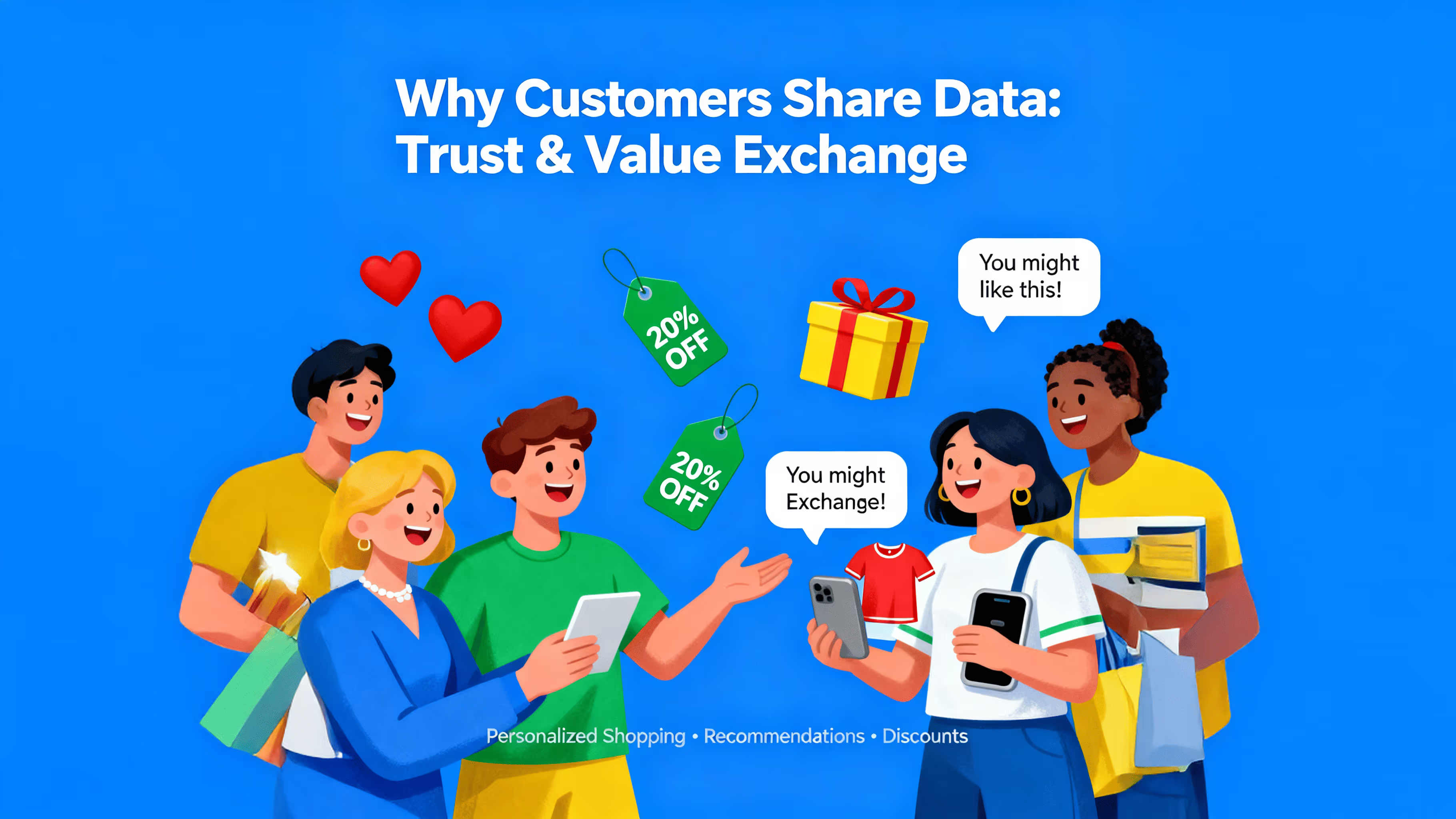
Here's something interesting: people will share their information when they trust you and when they get something back. A better shopping experience. Product recommendations that don't suck. Discounts on things they actually want.
{{cta-banner}}
The value exchange is simple. Customers give you their preferences, and you use that information to make their experience better. No surprises. No creepy ads following them around the internet.
When customers feel in control of their data, they're more likely to stick around. They know you're not selling their information to random companies or using it in ways they never agreed to.
The Privacy Problem Nobody Wants to Talk About
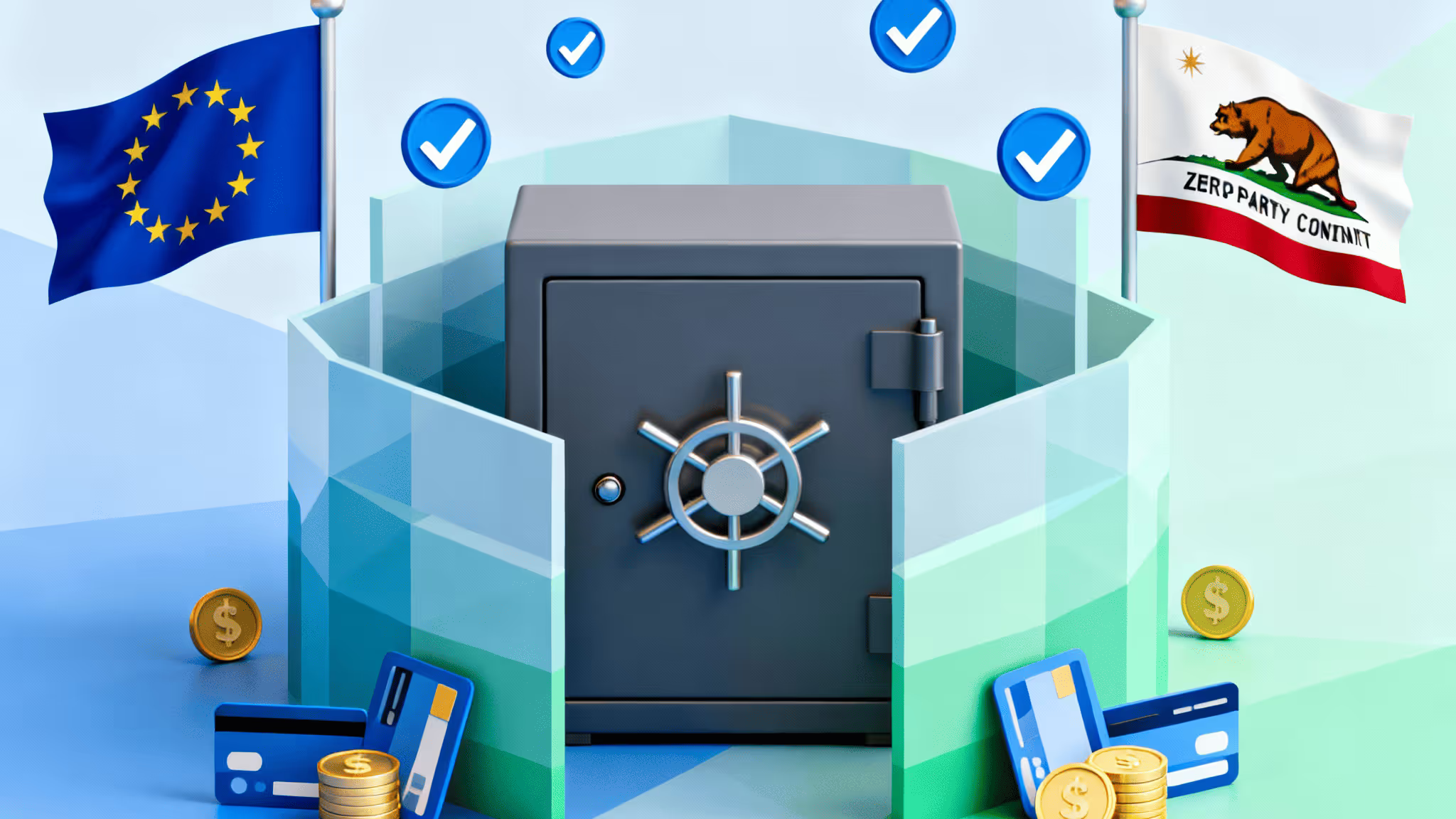
Privacy regulations are getting stricter everywhere. GDPR in Europe. CCPA in California. More states and countries are following. Companies that rely on sneaky data collection methods are running out of options.
Zero-party data solves this problem because customers give explicit consent. They're choosing to share. That means you're automatically on the right side of most privacy laws. You're not guessing whether you have permission. You have it in writing.
For iGaming companies, this matters even more. Online casino gaming platforms handle sensitive information including financial data and betting patterns. Players expect their information to stay private. One data breach can destroy trust and trigger massive fines.
How CRM Automation Makes This Work

CRM automation turns zero-party data into personalized customer experiences without making your team work overtime. The system tracks what customers tell you, then uses that information to send the right message at the right time.
Someone says they're interested in slot games? Your CRM can send them updates about new slot releases. A player mentions they prefer table games? They get content about blackjack tournaments instead. It's not rocket science, but it requires the right tools.
The automation part is crucial because manually personalizing experiences for thousands of customers is impossible. Good CRM systems do the heavy lifting while keeping everything compliant and organized.
Building Trust Through Transparency

Customers can smell fake transparency from a mile away. Real transparency means being upfront about what data you collect, how you use it, and giving customers easy ways to change their minds.
Your privacy policy shouldn't read like a legal document written to confuse people. Use plain language. Tell customers exactly what happens to their information. And when they want to delete their data or update their preferences, make it easy.
This approach builds stronger relationships over time. Customers remember which brands treat them with respect. They come back. They spend more. They tell their friends.
5 Ways to Collect Zero-Party Data
Here are practical methods that actually work:
- Preference centers: Let customers choose what types of emails they want and how often they want to hear from you
- Surveys and polls: Ask specific questions about interests, preferences, and purchase intentions
- Quizzes: Make data collection fun by creating interactive quizzes that provide value in exchange for information
- Progressive profiling: Collect information gradually over time instead of asking for everything at once
- Loyalty programs: Reward customers for sharing preferences and feedback through your rewards program
First-Party Data vs Zero-Party Data

These two data types work better together than alone. First-party data shows you what customers do on your website or app. Zero-party data tells you why they do it.
Someone visits your promotions page five times in a week. That's first-party data. But you don't know if they're interested in bonus offers, free spins, or cashback deals. Zero-party data fills in those gaps when customers tell you their preferences directly.
Both types of data are valuable, but zero-party data is more accurate because it comes straight from the source. No guessing required.
Privacy-First CRM Design for iGaming

iGaming operators face unique challenges with data protection. Players share financial information, identification documents for verification, and behavioral data about their gaming habits.
A privacy-first CRM approach means building consent management into every feature. Encrypted databases. Role-based access controls. Automated compliance checks. Clear audit trails showing who accessed what data and when.
The system should track consent for different purposes separately. Marketing emails need separate permission from account management communications. Players should be able to opt out of some things while staying opted in for others.
Making Personalization Work Without Being Creepy

Good personalization feels helpful. Bad personalization feels invasive. The difference usually comes down to whether customers gave you the information or you scraped it from their browsing history.
When customers tell you they love live dealer games, recommending new live dealer experiences makes sense. They told you what they like. You listened. That's not creepy.
But showing someone ads for something they looked at once three months ago? That crosses the line. It reminds them you're watching even when they didn't realize it.
Zero-party data keeps personalization in the "helpful" category because customers are active participants. They know you know because they told you themselves.
Why This Matters for Customer Retention

Customer acquisition costs keep rising. Keeping existing customers is cheaper and more profitable than constantly chasing new ones. Zero-party data helps with retention because it creates better experiences that make people want to stick around.
When players feel understood without feeling surveilled, they develop loyalty to your platform. They're not just another anonymous user ID in your database. They're someone whose preferences you know and respect because they shared them with you.
The Competitive Advantage Nobody's Using Yet

Most companies still rely on outdated data collection methods. They're buying third-party data that's often inaccurate or tracking customers in ways that make people uncomfortable.
Businesses that switch to zero-party data collection get more accurate information, better customer relationships, and a clear competitive advantage. They're actually treating customers better.
In the iGaming industry, where trust is everything, this advantage matters even more. Players have endless options. They'll choose platforms that respect their privacy and deliver personalized experiences they actually want.
Smartico.ai: Unified Gamification and CRM Automation
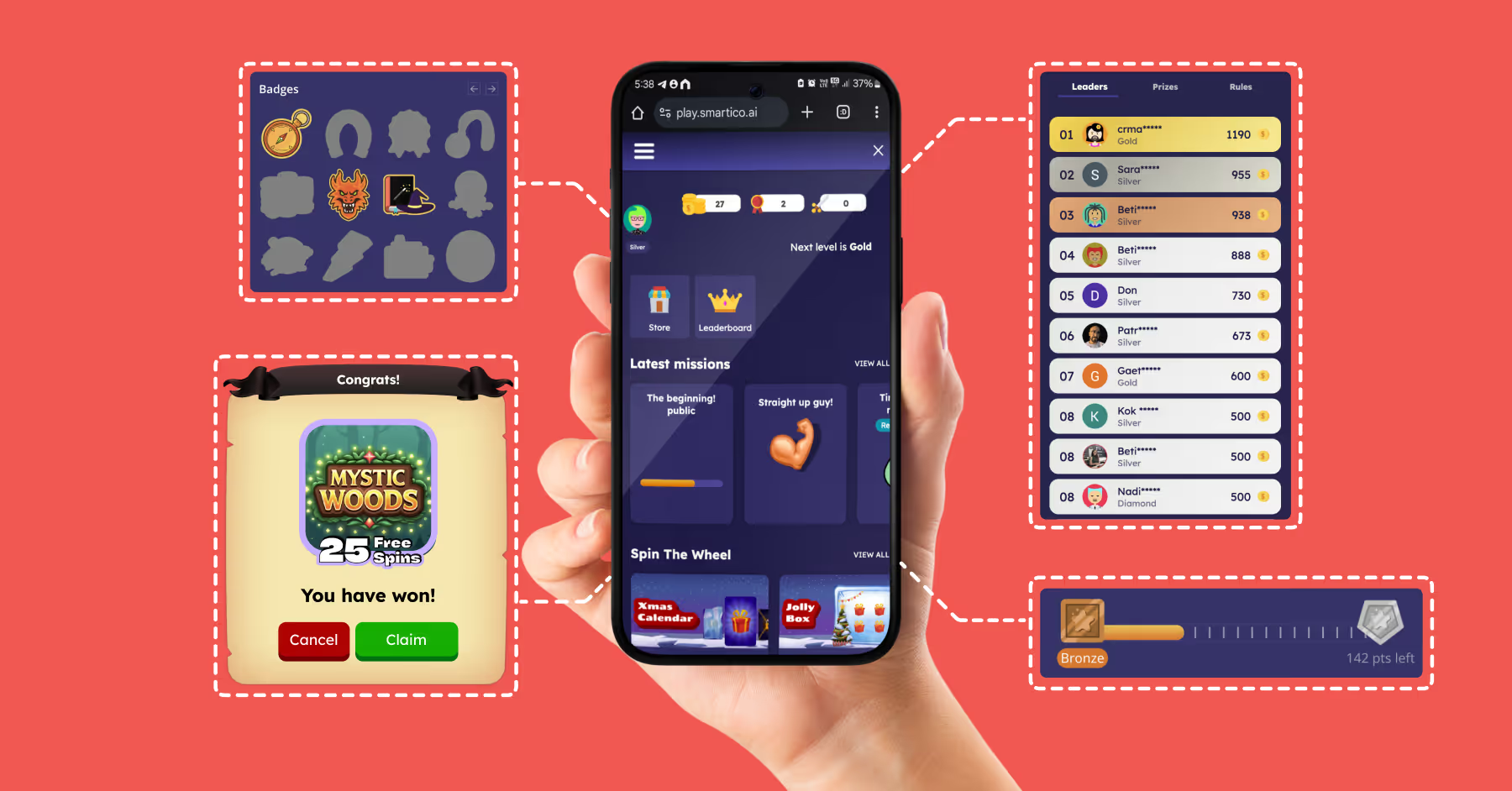
Smartico.ai brings zero-party data collection and CRM Automation together in one platform built specifically for iGaming operators. The system combines Gamification features with privacy-first data management and real-time personalization.
Operators can create interactive experiences like loyalty wheels, missions, tournaments, and scratch cards that naturally collect player preferences while keeping them engaged. Every interaction is tracked with proper consent, and players control their own data through transparent preference centers.
The platform handles everything from automated marketing campaigns to compliance tracking, making it easier to deliver personalized experiences at scale without drowning in manual work. It's the first unified gamification and CRM automation system designed for operators who want to build trust while driving engagement.
To find out how Smartico can help your business specifically raise retention, loyalty, and revenue like nothing you’ve tried before, book your free, in-depth demo below now.
{{cta-banner}}
FAQ
.avif)
1. What's the main difference between zero-party and first-party data?
Zero-party data comes from direct customer input like surveys and preference forms, while first-party data is collected passively from customer actions like website visits or purchases. Zero-party data tells you what customers want, first-party data shows you what they did.
2. Does zero-party data collection take more time than traditional methods?
Setting up zero-party data collection requires initial planning for surveys and preference centers, but CRM automation handles the ongoing work. Customers spend a few seconds sharing preferences, and your system uses that information automatically for months or years.
3. How do you convince customers to share zero-party data?
Offer clear value in exchange for information. Better recommendations, exclusive discounts, personalized content, or early access to new features. Customers share when they understand the benefit and trust you'll use their data responsibly.
4. Can zero-party data work for small iGaming operators?
Yes, zero-party data collection scales to any size operation. Small operators often have an advantage because they can build direct relationships with players more easily than large corporations. Start with simple surveys and preference forms, then expand as you grow.
5. What happens if customers don't want to share zero-party data?
That's their choice, and respecting it builds trust. Some customers prefer minimal personalization, and that's fine. Focus on delivering great experiences for everyone, whether they share preferences or not. The players who do share will appreciate the personalized treatment even more.
Conclusion
Zero-party data represents a fundamental shift from tracking customers to actually listening to them. It's not about surveillance anymore, but about building relationships based on transparency and mutual benefit. For iGaming operators dealing with sensitive player information, this approach isn't just better for compliance. It's better for business. Customers trust platforms that respect their privacy, and trust converts into loyalty, higher lifetime value, and sustainable growth.
Did you find this article helpful? If so, consider sharing it with other industry professionals such as yourself.