


Riesgo de abandono: cómo identificar las señales de alerta temprana y actuar ante ellas

¿Conoces esa sensación de hundimiento cuando te das cuenta de que un jugador valioso no ha iniciado sesión durante semanas? ¿O cuando tu mejor cliente de repente se queda callado después de meses de actividad constante?
Eso es riesgo de abandono mirándote fijamente a la cara.
La mayoría de las empresas no pierden clientes debido a una falla catastrófica. Los pierden lentamente, una señal perdida a la vez. El jugador que deje de interactuar con tus ofertas de bonificación. El cliente que solía visitarlo a diario pero que ahora apenas se presenta una vez a la semana. La cuenta que lleva 30 días acumulando polvo.
Estas son señales de advertencia y, si sabe qué buscar, puede detener el sangrado antes de que comience.
¿Qué es el riesgo de abandono?

El riesgo de abandono es la probabilidad de que un cliente deje de usar tu producto o servicio dentro de un período de tiempo específico. En el mundo del iGaming, esto significa que los jugadores pueden cancelar sus cuentas, dejar de hacer depósitos o simplemente caer en la inactividad.
Piense en ello como el sistema de alerta temprana de su empresa. Al igual que los médicos controlan los signos vitales para detectar los problemas de salud antes de que se agraven, el seguimiento del riesgo de abandono permite detectar los problemas antes de que los clientes se vayan.
Hay mucho en juego. Según Bain & Company Según nuestra investigación, aumentar las tasas de retención de clientes en solo un 5% puede aumentar las ganancias entre un 25 y un 95% (no «hasta un 95%» como cifra independiente). El artículo original de Bain & Company afirma: «al aumentar la retención en tan solo un 5 por ciento, los beneficios pueden aumentar hasta un 95 por ciento».
En iGaming específicamente, las cifras son aún más marcadas. Los costos de adquisición de clientes oscilan entre 250 y 500 dólares por jugador, y algunos operadores gastan más de 800 dólares durante los principales eventos deportivos. Si pierdes a un jugador después de ese tipo de inversión, no solo perderás ingresos futuros, sino que también estarás gastando dinero.
Por qué el riesgo de abandono es más importante de lo que cree

La mayoría de las empresas se centran en atraer nuevos clientes. Y claro, las adquisiciones son importantes, pero en la industria del iGaming, solo alrededor del 6% de los jugadores activos a finales de 2024 eran nuevas adquisiciones. ¿El 94% restante? Jugadores retenidos.
Su base de clientes actual lo es todo.
{{cta-banner}}
Cuando los clientes abandonan el negocio, el daño se extiende más allá de la pérdida de ingresos. También te enfrentas a:
- Costos de adquisición desperdiciados que nunca dan sus frutos
- El boca a boca negativo de antiguos clientes insatisfechos
- Reducción del valor de por vida en toda tu base de jugadores
- Presión más alta sobre los equipos de marketing para llenar el vacío
Y en mercados competitivos como el de iGaming, donde los jugadores pueden cambiar de plataforma con un solo clic, el riesgo de pérdida de clientes es aún más importante de supervisar y gestionar.
7 señales de advertencia de que sus clientes están a punto de dejar de comprar
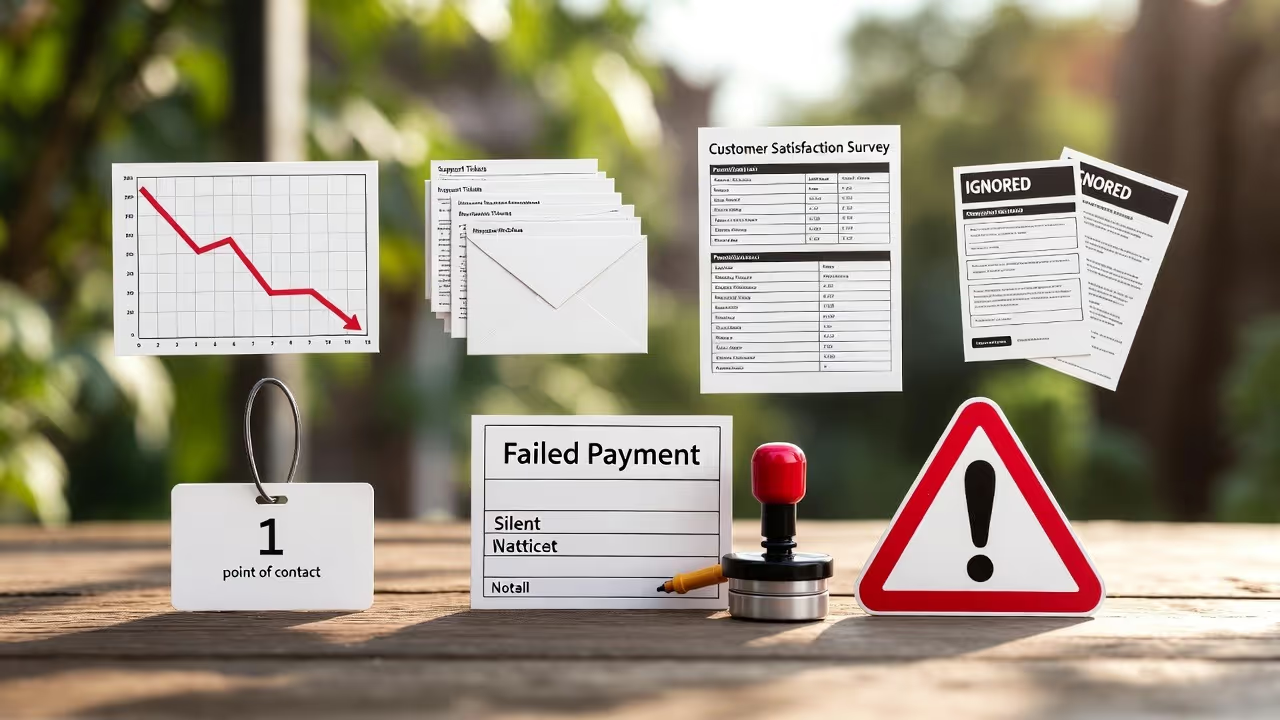
Los clientes rara vez anuncian que se van. En vez de eso, dejan caer migas de pan, pequeños cambios de comportamiento que indican que habrá problemas en el futuro. Estos son los siete indicadores más confiables:
1. Niveles de actividad en declive
Este es el signo más evidente, pero también el más ignorado. Cuando un jugador que solía iniciar sesión a diario desaparece repentinamente durante una semana, no se trata de vacaciones, sino de una señal de alerta.
Esté atento a patrones como menos inicios de sesión, tiempos de sesión más cortos o gastos reducidos. Incluso las pequeñas caídas en la participación pueden predecir problemas mayores en el futuro.
2. Aumento de los tickets de soporte
Un jugador que busca apoyo constantemente te está diciendo algo. Tal vez se sienta frustrado por un problema técnico. Tal vez no entiendan cómo funciona una función. Tal vez se hayan topado con un obstáculo que está acabando con su disfrute.
El alto volumen de soporte, especialmente cuando los tickets no se resuelven, se correlaciona directamente con la pérdida de clientes. Los jugadores que no pueden obtener ayuda con el tiempo dejan de preguntar y comienzan a marcharse.
3. Puntuaciones de satisfacción bajas
Las encuestas de Net Promoter Score (NPS) no son perfectas, pero son útiles. Los jugadores que te den una puntuación de 6 o menos (detractores) corren un alto riesgo de perder puntos. Y aunque solo alrededor del 12% de los clientes B2B responden a las encuestas de NPS, los que lo hacen te proporcionan información valiosa.
¿Aún más revelador? Jugadores que no responden en absoluto. La falta de respuesta suele indicar una falta de compromiso: ya se han retirado mentalmente.
4. Promociones y ofertas ignoradas
Envías un increíble oferta de bonificación. Tus mejores jugadores suelen lanzarse a él en cuestión de horas. ¿Pero esta vez? Silencio.
Cuando los jugadores comprometidos dejan de responder a los incentivos que antes les encantaban, significa que algo ha cambiado. O han encontrado una oferta mejor en otro sitio o ya no están interesados en lo que ofreces.
5. Punto de contacto único
En las relaciones B2B, esto se denomina «subproceso único». Si solo tienes una persona de contacto en una cuenta y esa persona se va, estás perdido.
El mismo principio se aplica en iGaming y otras empresas de suscripción. Cuando un cliente solo tiene un motivo para quedarse (un juego favorito, una función específica) y ese motivo desaparece, se va.
6. Pagos fallidos
No toda la deserción es voluntaria. Sorprendentemente, un número de clientes se van simplemente porque su método de pago falló y nunca se molestaron en actualizarlo.
Estas son las partidas más fáciles, si las descubres rápidamente. Los sistemas automatizados de recuperación de pagos pueden recuperar una parte importante de estas pérdidas «accidentales».
7. El tratamiento silencioso
A veces, el riesgo de abandono más peligroso no parece arriesgado en absoluto. Se trata de clientes «pasivos» que nunca se quejan, nunca causan problemas y nunca se involucran plenamente. No son detractores enfadados, simplemente están... ahí.
Hasta que un día, no lo están.
Estos clientes silenciosos suelen ser los más difíciles de salvar porque no sabes lo que pasa. No te lo han dicho. Ellos simplemente han decidido discretamente gastar su tiempo y dinero en otro lugar.
Cómo identificar el riesgo de abandono: análisis cuantitativo frente a cualitativo

Operadores inteligentes no confíes en tus instintos. Usan datos. Sin embargo, no todos los datos se crean de la misma manera, y el mejor enfoque combina números concretos y conocimientos humanos.
Análisis cuantitativo: los números no mienten
Este enfoque utiliza datos de comportamiento para detectar patrones. Estás viendo métricas como:
- Frecuencia de inicio de sesión y duración de la sesión
- Patrones de depósito y tendencias de gasto
- Tasas de uso de las funciones (a qué juegos juegan, qué bonificaciones solicitan)
- Tiempo transcurrido desde la última actividad
- Puntuaciones de salud (métricas compuestas que agregan múltiples señales)
Las plataformas de análisis modernas pueden rastrear todo esto automáticamente, marcando las cuentas que coinciden con los patrones de abandono conocidos. Si los clientes abandonados en el pasado solían pasar más de 10 días sin actividad antes de marcharse, cualquier cliente actual que alcance ese umbral es marcado para que intervenga.
¿El desafío? El análisis cuantitativo requiere una infraestructura de datos sólida. Necesita sistemas de seguimiento que capturen el comportamiento granular, herramientas de análisis que lo procesen y modelos que den sentido a los patrones.
Análisis cualitativo: lectura entre líneas
Los números te dicen lo que está pasando. Pero hablar con los clientes te explica por qué.
El análisis cualitativo implica la retroalimentación directa de los clientes a través de:
- Observaciones del equipo de éxito del cliente
- Respuestas a la encuesta y comentarios abiertos
- Contenido de los tickets de soporte (no solo el volumen)
- Entrevistas de salida cuando los clientes abandonan
Sus equipos de atención al cliente suelen detectar primero el riesgo de pérdida de clientes. Escuchan la frustración en una llamada de soporte. Se dan cuenta cuando un VIP el jugador parece menos entusiasta. Captan señales sutiles que las métricas no detectan.
¿El enfoque más inteligente? Combina ambos. Usa datos cuantitativos para identificar quién está en riesgo y, luego, usa información cualitativa para entender por qué y cómo solucionarlo.
Tomar medidas: estrategias comprobadas para reducir el riesgo de abandono

Identificar el riesgo de abandono es solo la mitad de la batalla. Ahora tienes que hacerlo haz algo al respecto.
Intervención personalizada
Los correos electrónicos genéricos de «te echamos de menos» ya no son suficientes. Los jugadores pueden ver a través de ellos. En su lugar, usa lo que sabes sobre cada cliente para diseñar intervenciones específicas.
Si a un jugador le encantaban las tragaperras, pero hace semanas que no las toca, ofrécele giros gratis en su juego favorito. Si alguien se da de baja por problemas de pago, haz que actualizar su información sea ridículamente fácil. Si un jugador de alto valor se queda a la deriva, asigna a un administrador de cuentas especializado para que se registre personalmente.
Cronograma estratégico
La velocidad importa. Las investigaciones muestran que los jugadores contactados dentro de las 24 horas de haber mostrado señales de abandono tienen un 27% más de probabilidades de reactivarse. Espera una semana y ese número se reduce a un solo dígito.
Configure disparadores automáticos que se activen inmediatamente cuando se superen los umbrales de riesgo. No esperes a que llegue tu reunión de revisión mensual; para entonces, ya habrá terminado.
Bucles de gamificación y compromiso
Una de las estrategias de prevención de abandono más eficaces consiste en dar a los jugadores motivos para que regresen más allá del producto principal. Las misiones, los desafíos, los torneos y los sistemas de progresión crean oportunidades de participación continuas.
Cuando un jugador tiene un desafío incompleto o está cerca de alcanzar el siguiente nivel VIP, tiene una razón concreta para volver mañana. Estas mecánicas aprovechan los factores psicológicos que mantienen a las personas interesadas a lo largo del tiempo.
Comunicación proactiva de valores
A veces, los clientes abandonan la página porque olvidan por qué se inscribieron en primer lugar. Una comunicación regular que destaque el valor (nuevas funciones, recomendaciones personalizadas, historias de éxito) hace que tu producto sea una prioridad.
PERO, tiene que ser realmente valioso. Nadie quiere más spam de marketing. Quieren información que les ayude a sacar más provecho de tu servicio.
Optimización de la prevención de la deserción con CRM y gamificación unificados

Gestión de la pérdida de clientes el riesgo en cientos o miles de clientes de forma manual es imposible. Necesita sistemas que funcionen para usted.
Aquí es donde se combinan las plataformas unificadas Automatización de CRM con gamificación la mecánica se vuelve esencial. En lugar de combinar cinco herramientas diferentes (una para el análisis, otra para el correo electrónico, otra para el seguimiento de las interacciones, otra para gestionar las promociones y otra para la atención al cliente), todo está en un solo lugar.
Cómo ayuda Smartico.ai a combatir la pérdida de clientes
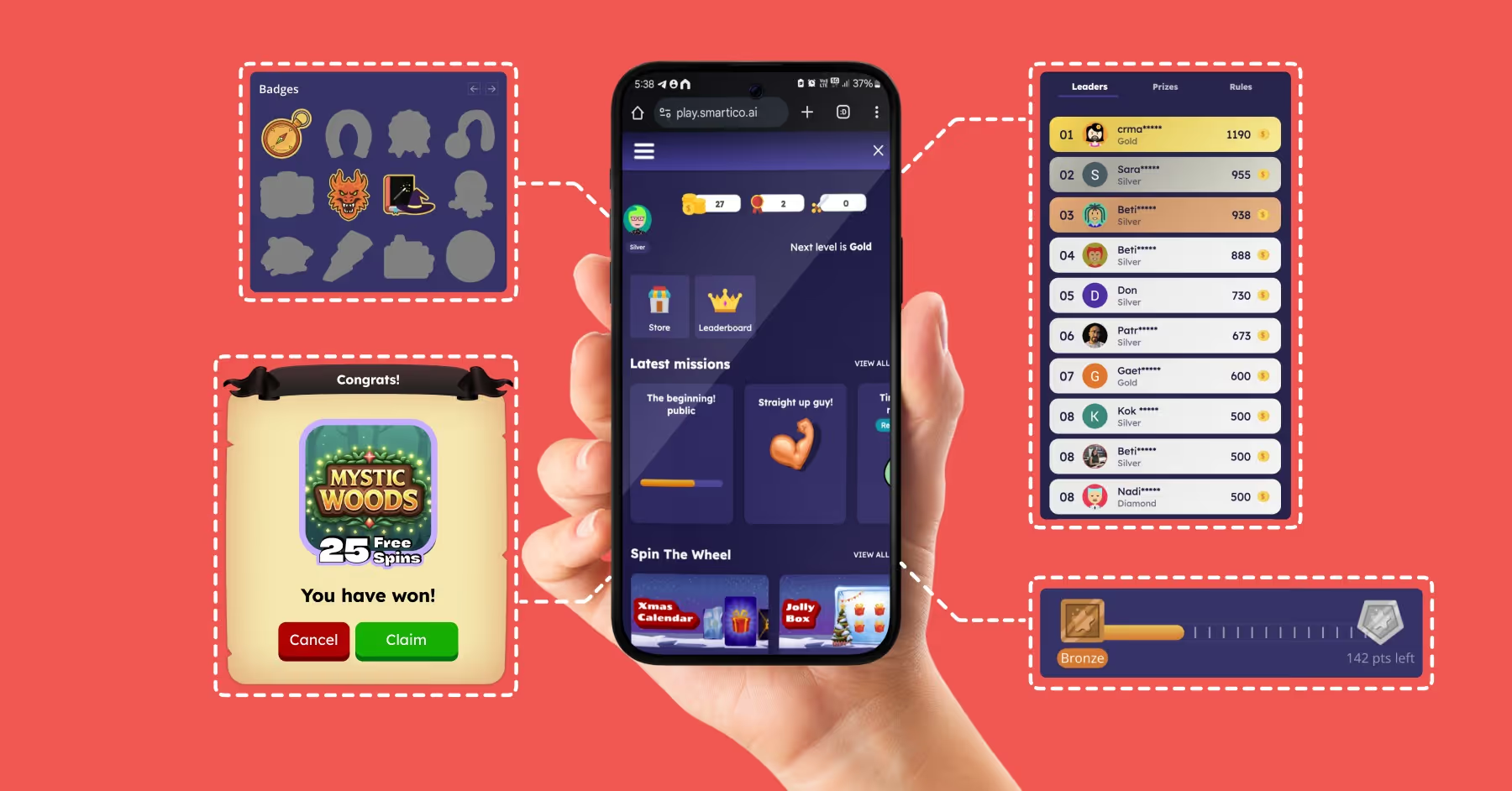
Smartico.ai ofrece una solución profunda que reúne datos en tiempo real Gamificación, Automatización de CRM, y Impulsado por IA información diseñada específicamente para la retención de jugadores.
El software monitorea el comportamiento de los jugadores de forma continua y marca automáticamente las cuentas en riesgo según sus criterios específicos. Cuando un jugador muestra señales de abandono, el sistema puede activar intervenciones personalizadas sin supervisión manual, ya sea una oferta de bonificación específica, una campaña de fidelización o una alerta para que el equipo de atención al cliente se ponga en contacto personalmente con él.
El motor de gamificación crea los ciclos de interacción continuos que hacen que los jugadores regresen. Las misiones, los torneos, los programas de fidelización y los desafíos personalizados funcionan en conjunto para crear hábitos e impulsar la retención.
Como todo funciona a partir de una solución, obtienes una visión completa del viaje de cada jugador. Puedes ver exactamente cómo se involucran (o no), qué intervenciones se han probado y qué es lo que realmente funciona.
Para los operadores de iGaming que se enfrentan a la intensa competencia y los altos costos de adquisición de la industria, este tipo de enfoque integrado no solo es bueno, sino que es necesario para sobrevivir.
¿Quiere saber cómo Smartico puede ayudar a su empresa a minimizar la pérdida de clientes y aumentar la retención como nada que haya probado antes? Reserva tu demostración completa y gratuita a continuación.
{{cta-banner}}
Medir el éxito: métricas clave para rastrear
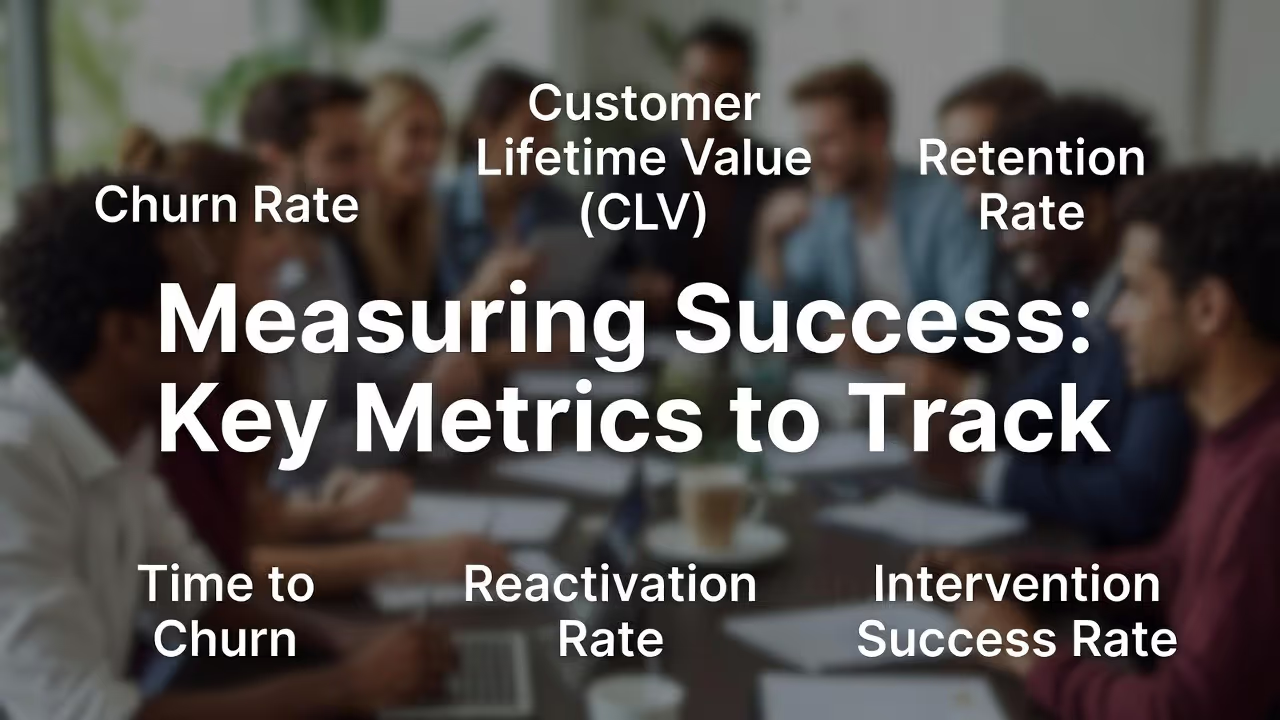
No puedes mejorar lo que no mides. Aquí están las métricas esenciales para supervisar sus esfuerzos en materia de riesgo de abandono:
- Tasa de abandono: el porcentaje de clientes perdidos durante un período específico (por lo general, mensual)
- Valor de por vida del cliente (CLV): Cuántos ingresos genera un cliente típico a lo largo de toda su relación contigo
- Tasa de retención: La inversa de la pérdida de clientes: qué porcentaje de clientes conservas
- Es hora de dejar: Cuánto tiempo pasa desde la primera señal de advertencia hasta la salida real
- Tasa de reactivación: En el caso de los clientes que abandonan la empresa, ¿qué porcentaje regresa?
- Tasa de éxito de la intervención: Cuando intentas salvar a un cliente en riesgo, ¿con qué frecuencia funciona?
Realice un seguimiento de estas métricas a lo largo del tiempo y segmentelas por tipo de cliente. Tus clientes más valiosos merecen un trato diferente al de los usuarios ocasionales, y tus métricas deberían reflejar eso.
Errores comunes que se deben evitar
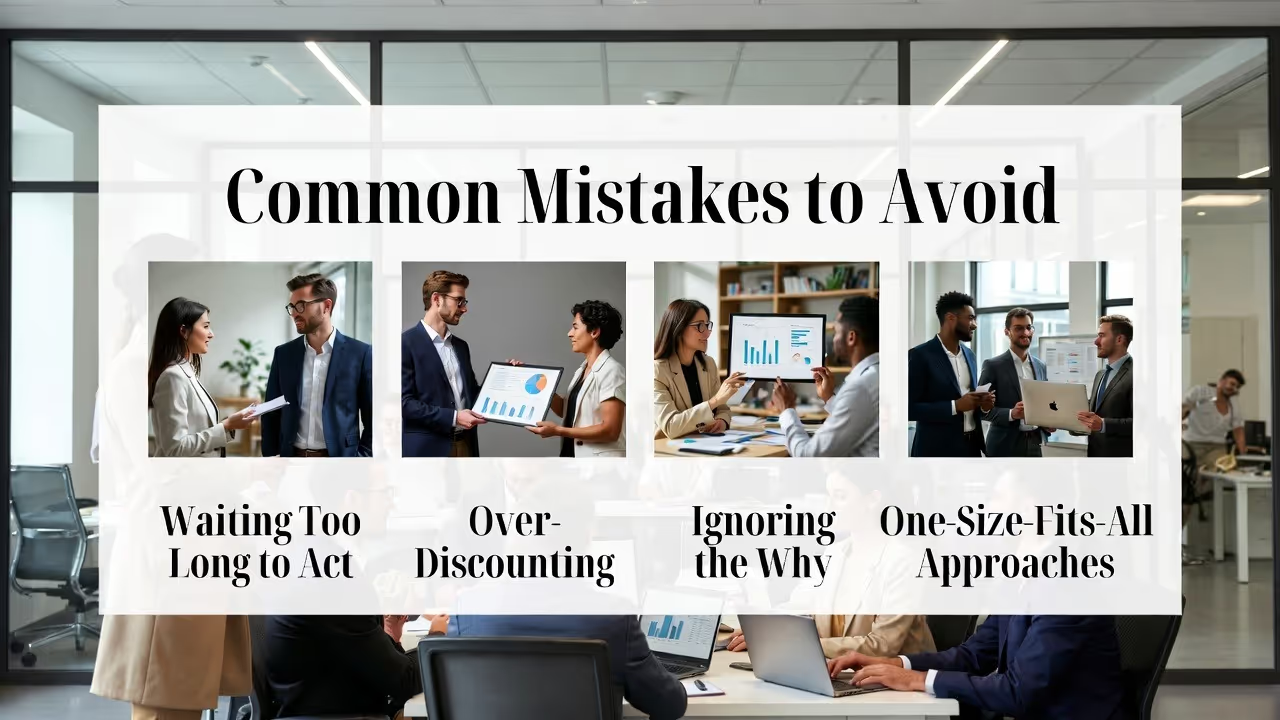
Incluso con buenas intenciones, las empresas suelen equivocarse en la prevención de la pérdida de clientes. Esté atento a estas dificultades:
Esperar demasiado para actuar
Cuando un cliente ha estado inactivo durante 30 días, ya ha desaparecido mentalmente. Las mejores intervenciones se realizan a la primera señal de problemas, no después de semanas de silencio.
Descuentos excesivos
Lanzar de forma progresiva bonificaciones más grandes los clientes insatisfechos pueden hacer que regresen temporalmente, pero no soluciona el problema subyacente. Solo los estás entrenando para que vuelvan a darse de baja cuando quieren otra oferta.
Ignorando el por qué
Podrías reducir con éxito la pérdida de clientes sin entender qué la causó en primer lugar. Esto significa que los mismos problemas seguirán creando nuevos clientes en riesgo. Corrija la causa raíz, no solo el síntoma.
Enfoques únicos para todos
Tus jugadores VIP y usuarios ocasionales necesitan un trato diferente. Una estrategia de retención que funcione para un segmento puede molestar activamente a otro. La personalización no es opcional.
Construyendo un negocio resistente a la deserción

El la mejor estrategia de prevención de la pérdida de clientes comienza el primer día. En lugar de tratar frenéticamente de salvar a los clientes que ya están a mitad de camino, cree un negocio que retenga a las personas de forma natural.
Esto significa:
- Incorporación fluida que hace que los clientes valoren rápidamente
- Entrega continua de valor que justifique su inversión continua
- Comunicación proactiva antes de que los problemas se conviertan en crisis
- Construcción comunitaria que crea conexiones emocionales más allá de las transacciones
- Iteración constante basado en los comentarios y el comportamiento de los clientes
Piense en la prevención de la pérdida de clientes no como una iniciativa independiente, sino como una parte fundamental de su forma de operar. Cada decisión sobre un producto, cada lanzamiento de una función, cada interacción con el cliente aumentan o disminuyen el riesgo de pérdida de clientes.
Las empresas que triunfan a largo plazo son las que se obsesionan con la retención desde el principio.
PREGUNTAS MÁS FRECUENTES
¿Cuál es la diferencia entre la tasa de abandono y el riesgo de abandono?
La tasa de abandono mide cuántos clientes ya has perdido durante un período específico. El riesgo de pérdida de clientes predice qué clientes actuales es probable que se vayan en el futuro. Uno mira hacia atrás, el otro mira hacia adelante. Ambas son importantes por diferentes razones.
¿Con qué rapidez debo intervenir cuando detecto el riesgo de pérdida de clientes?
Lo más rápido posible. Los datos de los operadores de iGaming muestran que los clientes contactados dentro de las 24 horas de haber mostrado señales de abandono tienen una tasa de reactivación del 27%. Espera una semana y se reduce drásticamente. La velocidad lo es todo.
¿Puedes evitar toda pérdida de clientes?
No. Un poco de pérdida de clientes es natural e incluso saludable: los clientes que no son aptos para tu producto probablemente deberían marcharse. El objetivo es reducir la deserción evitable causada por problemas que se pueden solucionar, no lograr una tasa de abandono del 0% a toda costa.
¿Qué industrias tienen el mayor riesgo de abandono?
Las empresas basadas en suscripciones se enfrentan al mayor riesgo de pérdida de clientes, especialmente en los mercados competitivos. Esto incluye a las empresas de SaaS, los servicios de streaming, los operadores de iGaming y las telecomunicaciones. Cualquier empresa en la que los clientes puedan marcharse con un solo clic debe tomarse en serio la pérdida de clientes.
¿Cuánto debo invertir en la prevención de la pérdida de clientes?
Una buena regla general: si retener a un cliente cuesta menos de una quinta parte de lo que cuesta adquirir uno nuevo, vale la pena hacerlo. Dado que la adquisición suele costar 5 veces más que la retención, la mayoría de las empresas deberían invertir mucho más en conservar a los clientes de lo que hacen actualmente.
¿La mecánica de gamificación realmente reduce la pérdida de clientes?
Sí, cuando se implementa cuidadosamente. Las investigaciones muestran que las plataformas que utilizan la gamificación logran tasas de retención del 75%, en comparación con el 50% de las plataformas no gamificadas. La clave es crear bucles de interacción que den a los jugadores motivos para volver más allá del producto principal.
¿Está listo para tomarse en serio la retención?
El riesgo de abandono no tiene por qué ser una amenaza constante para su empresa. Con las herramientas, las estrategias y la mentalidad adecuadas, puede identificar a los clientes en riesgo de manera temprana y tomar medidas antes de que se vayan.
La diferencia entre las empresas que prosperan y las que tienen dificultades a menudo se reduce a lo bien que retienen a sus clientes actuales. Comience a monitorear su riesgo de pérdida de clientes hoy mismo, implemente intervenciones inteligentes y cree sistemas que mantengan a sus mejores clientes interesados a largo plazo.
Solicite una demostración de Smartico.ai a continuación, puedes ver cómo la gamificación unificada y la automatización del CRM pueden transformar tu estrategia de retención.
¿Te ha parecido útil este artículo? Si es así, considera compartirlo con otros profesionales de la industria como tú.
¿Listo para usar Smartico?
Únete a los cientos de empresas de todo el mundo que utilizan Smartico con sus jugadores.