


Exploring Event-Driven Journeys: iGaming CRM Key Feature 2
You know that moment when a player hits a big win and you have about 30 seconds to congratulate them before they move on? Or when someone abandons their cart right at checkout? These aren't just random moments. They're opportunities that demand immediate, personalized responses.
That's exactly what event-driven journeys do. They watch for specific player actions and automatically trigger the right message, offer, or experience at the exact moment it matters most. No waiting for the next scheduled campaign. No hoping your weekly newsletter catches them at the right time.
For online casino operators, event-driven journeys have become one of the most powerful features in modern CRM systems. Companies that excel at personalization generate 40 percent more revenue from those activities than average players. And event-driven automation is how you get there.
What Are Event-Driven Journeys in iGaming CRM?
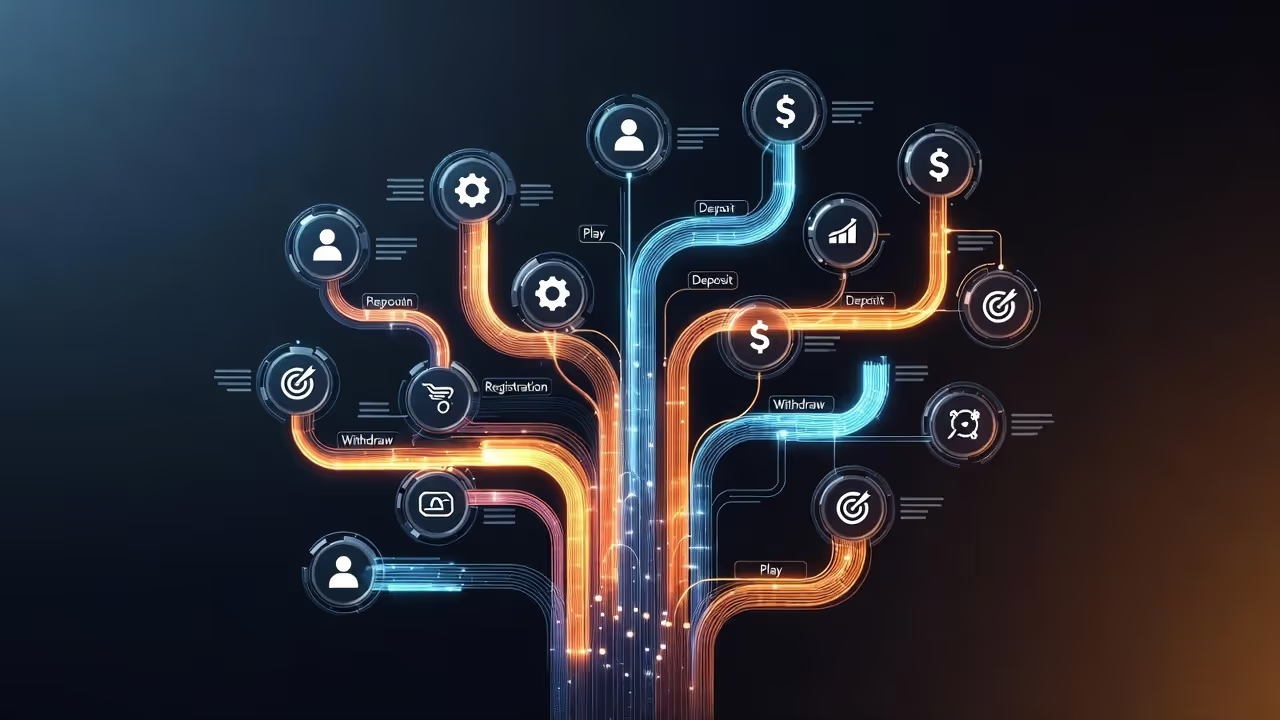
Think of event-driven journeys as your CRM system's autopilot, but smarter. Instead of sending messages based on a calendar or schedule, they respond to what players actually do.
A player makes their first deposit? The system instantly sends a welcome bonus and gaming tips. Someone loses three hands in a row? A gentle check-in message appears with responsible gaming reminders. A high-value player goes quiet for 48 hours? An automated reactivation sequence kicks in.
Each of these scenarios is an "event" that triggers a specific journey. The beauty is that it all happens automatically, in real-time, without anyone manually pressing buttons.
Traditional CRM relies on batch-and-blast campaigns. You segment players into groups, schedule a message, and hope it lands at a good time. Event-driven journeys flip this model. They react to individual player behavior as it happens, creating experiences that feel personal because they are..
How Event-Driven Journeys Actually Work
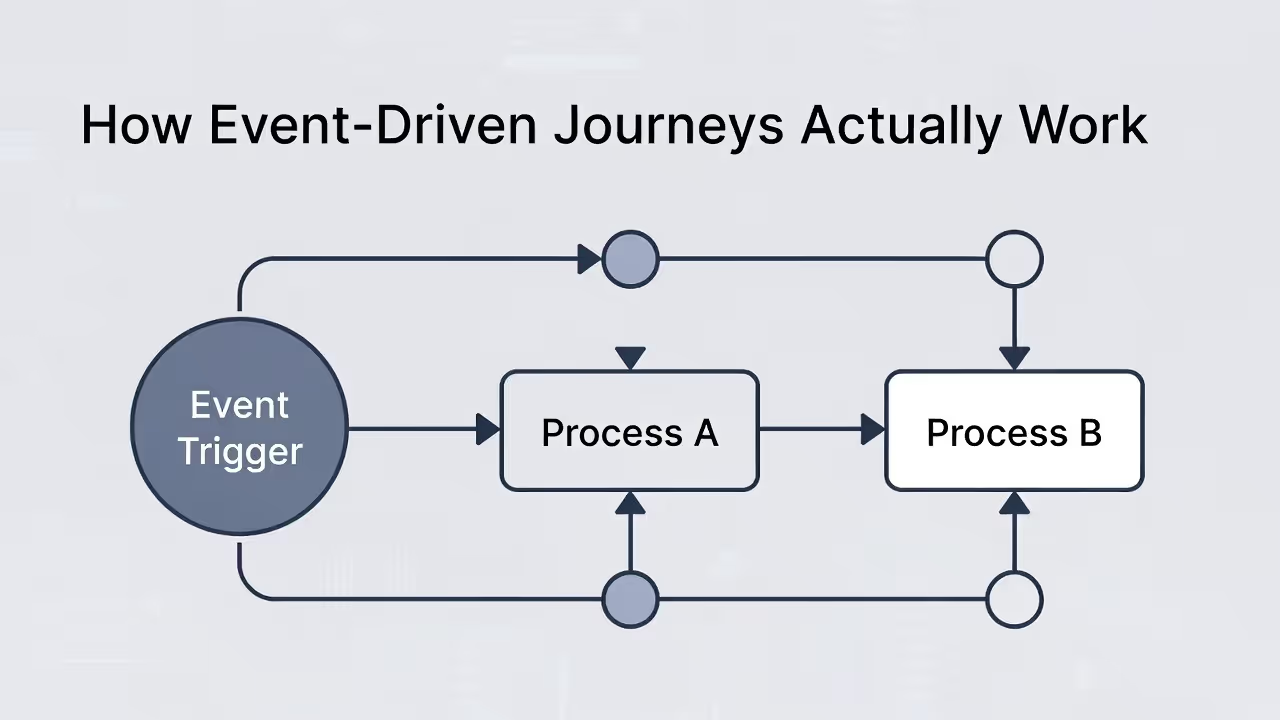
The mechanics are simpler than you might think. Your CRM system monitors player activity across every touchpoint: deposits, withdrawals, game sessions, wins, losses, support tickets, even how long someone spends browsing without playing.
When a player's behavior matches a predefined trigger (the "event"), the system automatically launches a series of communications or actions (the "journey"). These journeys can be as simple as a single congratulatory message or as complex as a multi-step reactivation campaign spanning several channels.
{{cta-banner}}
Here's a real example: Say you've set up an event trigger for "player makes first deposit over $100." The moment that deposit hits, your CRM automatically sends a personalized welcome email, grants VIP status, assigns a dedicated account manager, and schedules a follow-up SMS 24 hours later asking how their first gaming session went.
All of this happens while you sleep. The system handles it.
The key difference from traditional automation? Context. Event-driven journeys don't just know who the player is. They know what they just did, how they're feeling, and what they're likely to need next.
Why Timing Beats Content Every Time
You can write the most compelling bonus offer in the world, but if it arrives three days late, nobody cares.
Event-driven journeys solve the timing problem. They catch players at peak intent moments when they're most receptive to engagement. A player just won big? They're feeling positive and more likely to keep playing. Someone just lost several rounds? They might need encouragement or a reminder about game rules.
These micro-moments last seconds, not hours. Miss them, and you've lost the opportunity.
Traditional scheduled campaigns can't compete here. By the time your weekly newsletter arrives, the moment has passed. The player has moved on, logged out, or worse, gone to a competitor who responded faster.
Real-time interactions consistently outperform scheduled messages. When you respond to behavior as it happens, players feel seen and understood. That emotional connection drives loyalty far more effectively than generic promotions.
8 Event Triggers That Drive Real Results
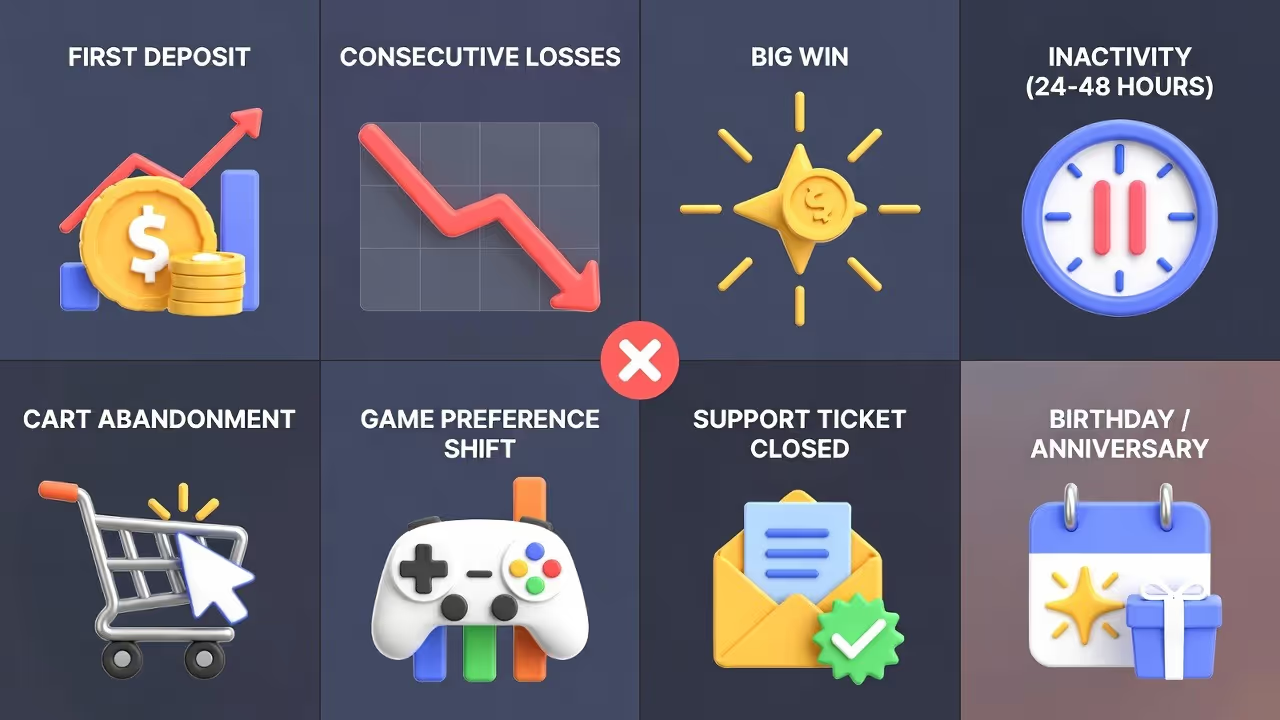
Not all events are created equal. Some trigger moments have dramatically higher conversion potential than others. Here are the ones worth your attention:
1. First Deposit
The absolute highest-intent moment in any player's journey. They've moved from browsing to committed. Your welcome journey here sets the tone for everything that follows. Make it count with personalized game recommendations, clear bonus terms, and immediate value.
2. Consecutive Losses
This is where responsible gaming and player retention intersect. When someone hits a losing streak, they need support, not more aggressive marketing. Smart operators use this trigger to offer cooling-off reminders, gaming tips, or even automated deposit limits.
3. Big Win
Players are riding high. They're engaged, excited, and likely to keep playing. This is your moment to congratulate them, invite them to higher-tier games, or introduce them to your leaderboard competitions.
4. Inactivity After 24-48 Hours
The dropout window. Players who go quiet this quickly are testing the waters elsewhere. Your reactivation journey needs to be immediate, personalized, and valuable. Generic "We miss you" messages won't cut it. Remind them of their game progress, unused bonuses, or new titles they'd enjoy.
5. Cart Abandonment
Yes, this works for online casinos too. Players who add funds to deposit but don't complete the transaction are sending a clear signal. Maybe they had second thoughts about the amount. Maybe they got distracted. A quick follow-up can recover a surprising number of these drop-offs.
6. Game Preference Shift
When a slots player suddenly tries poker, or a sports bettor explores casino games, they're signaling openness to new experiences. Your CRM should recognize this shift and guide them with tutorials, beginner bonuses, or strategy content specific to their new interest.
7. Support Ticket Closed
Post-support engagement is massively underused. After resolving a player's issue, following up to ensure satisfaction shows you care. It also creates an opportunity to re-engage them with a goodwill bonus or personalized offer.
8. Birthday or Anniversary
Life events still matter. These predictable moments are perfect for automated generosity. A birthday bonus or anniversary reward requires zero manual work but generates significant goodwill.
The Real Benefits Nobody Talks About
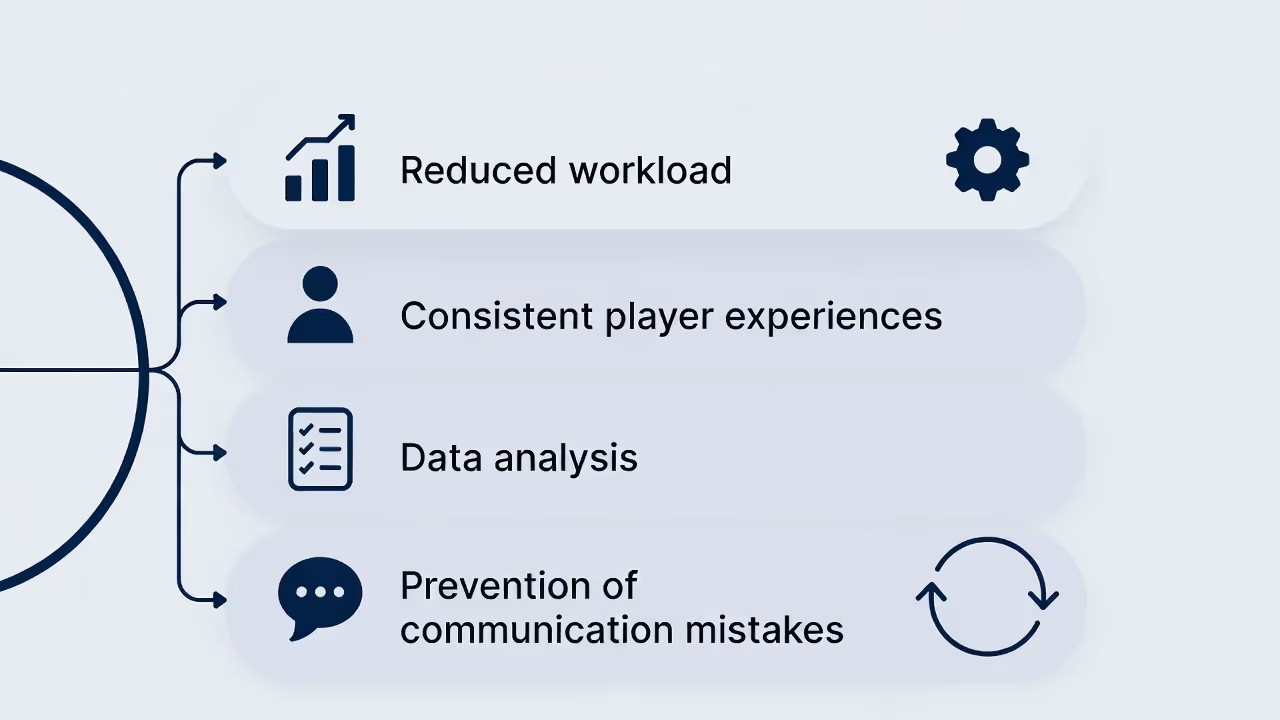
Everyone knows event-driven journeys improve engagement. But the secondary benefits often matter more.
First, they dramatically reduce manual workload. Your CRM team isn't constantly monitoring player behavior and deciding who needs what message when. The system handles routine touchpoints automatically, freeing your team to focus on strategy and high-value player relationships.
Second, they create consistency. Every player gets the same quality of experience regardless of when they play or which team member might be online. No more dropped balls because someone was out sick or swamped with other tasks.
Third, they generate better data. When your journeys run automatically and consistently, you can actually measure what works. You'll quickly learn which triggers drive the highest conversion, which messages resonate, and which journeys need adjustment. That feedback loop makes your CRM smarter over time.
Fourth, they prevent embarrassing mistakes. Remember that time a player got a "We miss you" reactivation email five minutes after logging out? Event-driven logic eliminates those blunders by checking current status before sending anything.
How to Set Up Event-Driven Journeys That Actually Convert
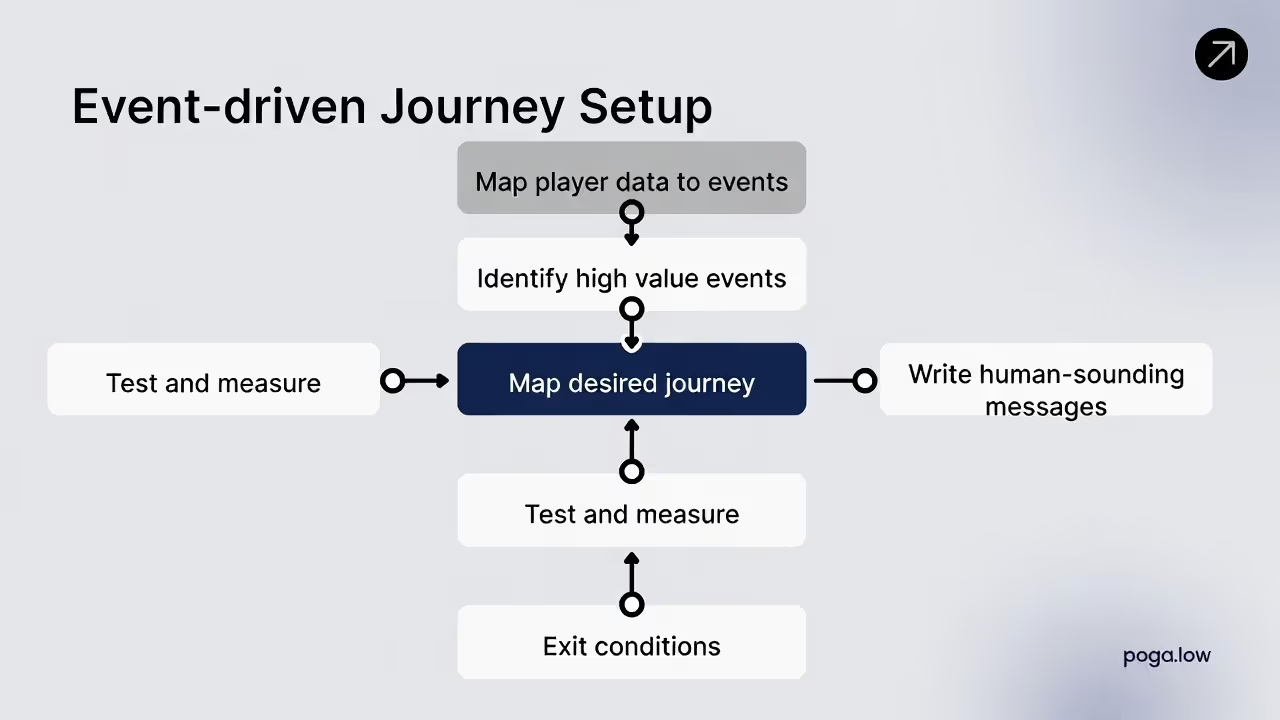
Building effective event-driven journeys requires more than just turning on automation. Here's the framework that works:
- Start with player data mapping. You can't trigger on events you're not tracking. Audit your data collection to ensure you're capturing the behaviors that matter: session duration, game types played, win/loss ratios, deposit patterns, and cross-channel activity.
- Identify your highest-value events. Don't try to automate everything at once. Focus on the three to five trigger moments that drive the most revenue or prevent the most churn. For most operators, that's first deposit, big wins, inactivity thresholds, and losing streaks.
- Map the desired journey. For each trigger event, plan the full player experience. What should happen immediately? What follows in 24 hours? What's the next step if they engage versus if they don't? These decision trees form the backbone of your automation.
- Write messages that sound human. Automated doesn't mean robotic. Your messages should feel like they're coming from a person who actually noticed what the player did. Use their name, reference specific games they played, and keep the tone conversational.
- Test and measure everything. Every journey should have clear success metrics. Are players who receive the journey more likely to deposit again? Do they play longer sessions? Set up control groups and run proper tests. Let data, not assumptions, guide your optimization.
- Build in exit conditions. Players should be able to exit a journey if their behavior changes. If someone in your "inactive player" reactivation sequence suddenly logs in and deposits, they should immediately exit that journey and enter the "active player" flow instead.
Common Mistakes That Kill Event-Driven Journeys
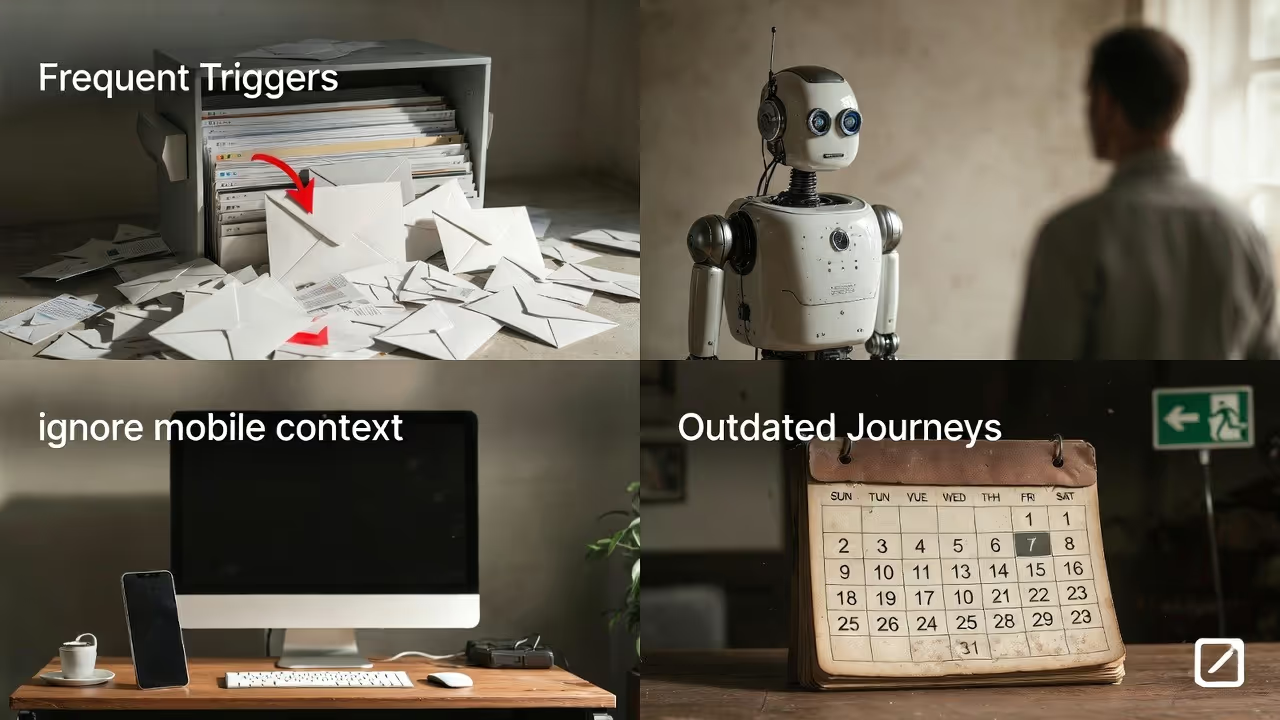
Even with the right technology, plenty of operators stumble. Here's what usually goes wrong:
They trigger too frequently. A player shouldn't receive five automated messages in an hour just because they triggered multiple events. Set frequency caps and prioritize which journeys take precedence.
They forget the human element. Automation should enhance personal service, not replace it. High-value players should still get direct attention from account managers, even if they're also receiving automated touchpoints.
They ignore mobile context. A perfectly timed email means nothing if the player is already on their phone playing. Your journeys need to recognize which device and channel the player is using right now, not just their historical preferences.
They don't update journeys. Player expectations evolve. Bonus values that worked last year feel stale now. Game recommendations based on old preferences miss new interests. Review and refresh your journeys quarterly at minimum.
They focus on acquisition, not retention. The juiciest events for automation are post-conversion: second deposits, game exploration, loyalty tier advancement. Don't waste all your event-driven firepower on getting players in the door. Use it to keep them engaged.
The Technical Side: What You Need to Know
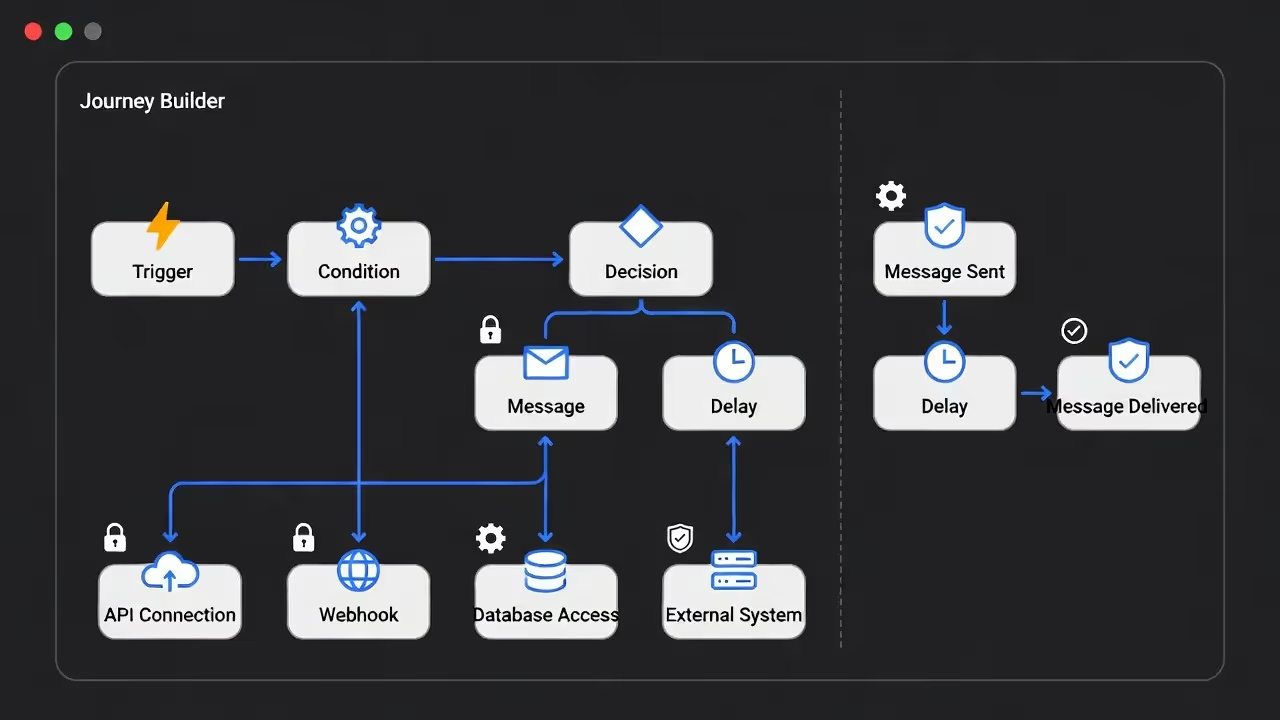
You don't need to be a developer to implement event-driven journeys, but understanding the basics helps.
Most modern iGaming CRM platforms come with visual journey builders. You drag and drop trigger conditions, add decision branches, and connect messaging channels. No coding required for the basics.
The real technical work happens in data integration. Your CRM needs real-time access to player activity from your platform, payment processor, game providers, and support systems. That usually means API connections, webhooks, or direct database access.
Event processing speed matters. A "real-time" trigger that takes five minutes to fire isn't real-time. Look for CRM systems that can process events and launch journeys within seconds, not minutes.
Data privacy and compliance are non-negotiable. Every event you track and every automated message you send needs to comply with your licensing jurisdiction's requirements. That means respecting opt-outs, honoring communication preferences, and keeping detailed audit trails.
Smartico: Event-Driven Journeys Powered by AI
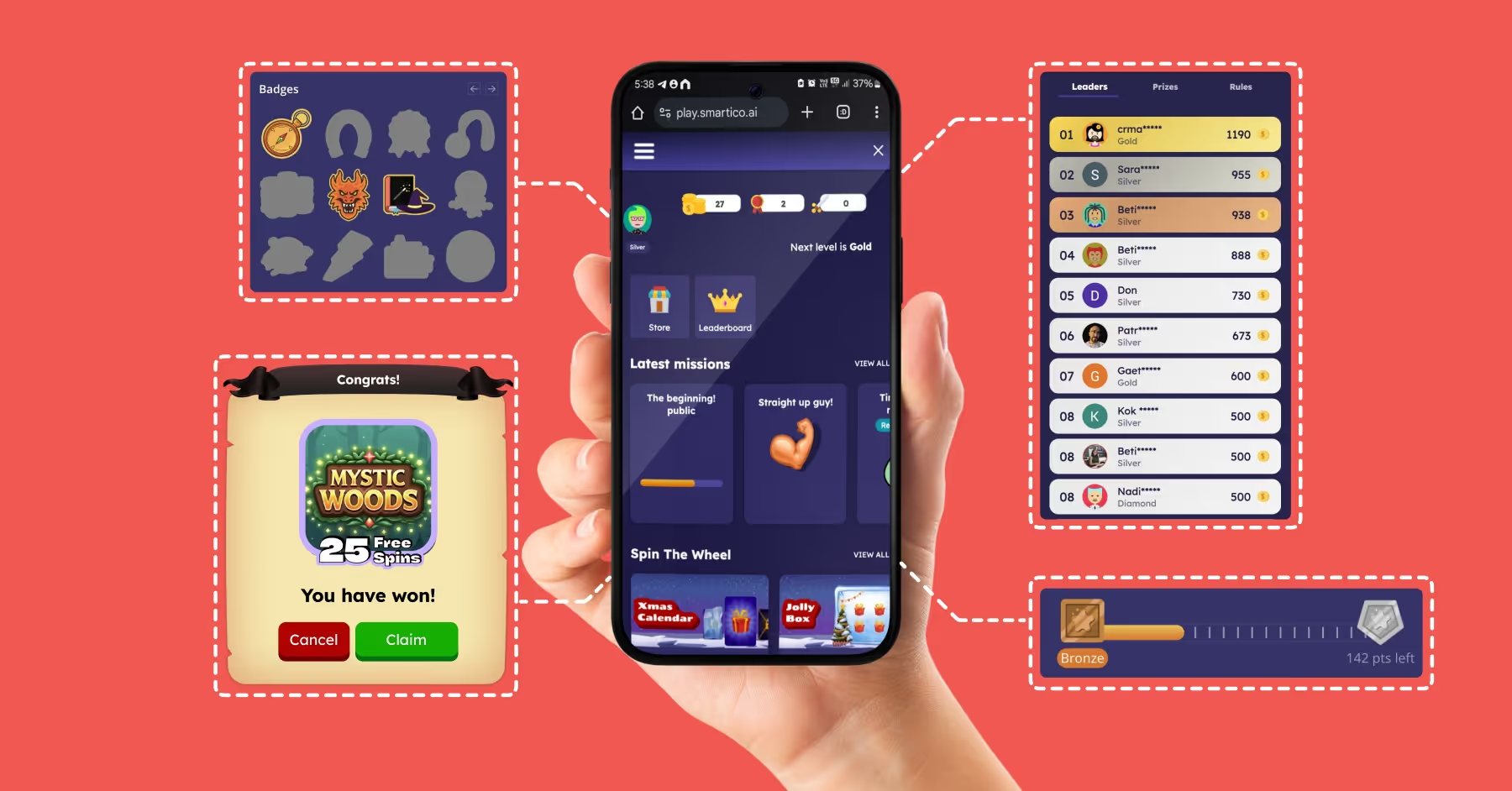
When it comes to unified gamification and CRM automation, Smartico.ai stands out for good reason. Founded in 2019, it combines real-time gamification mechanics with sophisticated CRM automation specifically built for online casino operators.
What makes Smartico different is its AI-powered approach to event-driven journeys. The platform doesn't just react to events you manually configure. Its AI models learn from player behavior patterns across your entire player base and automatically suggest new trigger opportunities you might have missed.
For example, Smartico's system might notice that players who try a specific new game on Thursday evenings have a 40 percent higher deposit rate within 72 hours. It can automatically create an event trigger around that pattern and launch personalized journeys to similar players.
The solution also handles the complexity of multi-channel orchestration. When an event fires, Smartico determines the best channel for reaching that specific player at that specific moment: push notification, SMS, email, or in-game message. The AI optimizes based on historical response rates for each player.
Perhaps most importantly, Smartico unifies gamification with CRM automation. That means your event-driven journeys can trigger not just messages, but also gamification mechanics: leaderboard updates, achievement unlocks, loyalty points, challenges, and tournament invitations. This creates a richer, more engaging experience that goes beyond simple communication.
Want to find out how Smartico can help you raise retention and revenue like nothing you’ve tried before? Book your free, in-depth demo below.
{{cta-banner}}
Measuring Success: The Metrics That Matter

How do you know if your event-driven journeys are working? Track these metrics:
Trigger-to-engagement rate: What percentage of players who trigger an event actually engage with the resulting journey? Low rates suggest poor targeting or irrelevant messaging.
Journey completion rate: Are players moving through your entire journey or dropping off early? High drop-off points reveal where your content or offers aren't resonating.
Revenue per triggered player: Compare the total revenue from players who completed a journey versus those who didn't. This shows the actual financial impact of your automation.
Time to next action: How quickly do players re-engage after completing a journey? Faster return visits indicate the journey successfully maintained interest.
Churn rate by journey: Players who go through certain journeys should have lower churn rates than those who don't. If they don't, your journey isn't working.
Support ticket volume: Effective journeys should reduce support requests by proactively addressing common player needs. Track whether your automated touchpoints correlate with fewer tickets.
The Future of Event-Driven CRM

Event-driven automation is just getting started. Here's where it's headed:
Predictive triggers will become standard. Instead of waiting for a player to go inactive for 48 hours, CRM systems will predict churn risk based on subtle behavior changes and intervene earlier. Machine learning models will spot patterns humans miss.
Cross-platform journeys will merge online and offline experiences. When a player attends a sponsored event or visits a physical location, those events will trigger digital engagement sequences. The walls between channels are coming down.
Hyper-personalization will move beyond demographic segments. Each player will have truly unique journey configurations based on their individual behavior patterns, not just which segment bucket they fall into.
Voice and conversational interfaces will become journey touchpoints. Instead of reading an email about a bonus, players will have natural conversations with AI assistants who guide them through personalized recommendations.
Responsible gaming automation will get more sophisticated. CRM systems will use event triggers not just for engagement, but for player protection, automatically stepping in when behavior patterns suggest problematic play.
Getting Started Today
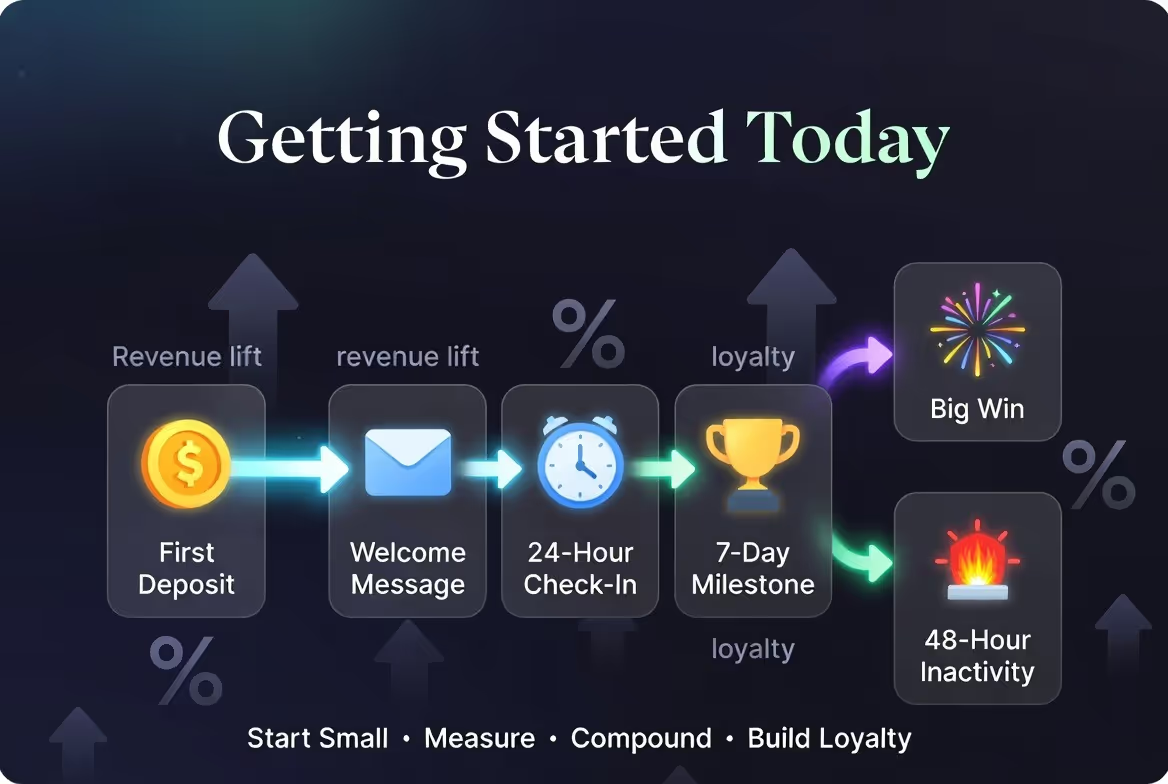
You don't need a massive budget or six-month implementation timeline to benefit from event-driven journeys. Start small and expand.
Pick one high-value trigger event. First deposit is usually the best place to start. Build a simple three-step journey: immediate welcome message, 24-hour check-in, 7-day milestone celebration.
Run it for a month. Measure the results. Compare players who went through the journey against those who didn't. Calculate the revenue difference.
If it works, build the next journey. Maybe tackle the big win congratulations sequence next, or the 48-hour inactivity trigger.
As you add more journeys, they compound. Players start experiencing a consistently personalized platform that responds to their behavior. That feeling of "they get me" is what builds long-term loyalty.
The technology exists. The data is already there. The only question is whether you're going to use it proactively or keep relying on batch campaigns that arrive days too late.
Conclusion
Event-driven journeys transform how online casinos engage with players. They replace generic, scheduled campaigns with personalized, real-time responses that feel human and relevant. Players get what they need when they need it. Operators reduce manual workload while improving results.
If you're ready to move beyond batch-and-blast and start building player experiences that actually respond to behavior, event-driven journeys are where to focus. The technology is mature, the benefits are proven, and the competitive advantage is real.
FAQ
What's the difference between event-driven and scheduled campaigns?
Scheduled campaigns send messages based on time: every Tuesday, monthly newsletters, or after seven days of signup. Event-driven campaigns trigger based on player behavior: immediately after a deposit, when someone wins big, or as soon as they go inactive. Event-driven timing is reactive and personal; scheduled timing is predictable and generic. For time-sensitive opportunities like big wins or cart abandonment, event-driven campaigns dramatically outperform scheduled ones because they catch players at peak intent moments.
Can event-driven journeys work for small operators with limited data?
Yes, absolutely. You don't need massive data volumes to start. Even with a small player base, you can track basic events like first deposit, wins above a threshold, or inactivity. Start with three to five simple triggers and build from there. As your player base grows, your journeys will become more sophisticated. The key is starting somewhere rather than waiting until you have "enough" data.
How do you prevent players from getting overwhelmed by automated messages?
Set frequency caps in your CRM system. For example, limit players to a maximum of three automated messages per day or five per week. Also use priority rules: if a player triggers multiple events simultaneously, only the highest-priority journey fires. Finally, always include clear opt-out options and respect communication preferences. Players who've opted out of promotional emails shouldn't receive them through automation either.
What's the best way to test event-driven journeys before full rollout?
Use control groups. When setting up a new journey, randomly assign 80 percent of players who trigger the event to receive the journey, and keep 20 percent as a control group who trigger the event but don't receive the automated communication. After a month, compare key metrics: deposits, session length, churn rate, and lifetime value. This shows you the actual impact of your journey versus doing nothing.
Are there events you should never automate?
Yes. High-stakes situations like suspected problem gaming, large unexpected losses, or fraud flags should always involve human review, not just automated responses. Similarly, VIP players often expect personal attention from account managers, so while automation can support these relationships, it shouldn't replace human touchpoints entirely. Use automation for scale and consistency, but maintain human oversight for situations requiring judgment, empathy, or discretion.
How often should you update event-driven journeys?
Review your journeys quarterly at minimum. Player expectations change, bonus values need refreshing, and new games or features require updated content. More importantly, analyze performance monthly. If a journey's conversion rates drop or engagement falls, investigate immediately. Sometimes small tweaks to messaging timing or offer structure can restore performance. Think of journeys as living campaigns that need regular care, not "set it and forget it" automation.
Did you find this article helpful? If so, consider sharing it with other industry professionals such as yourself.