

CRM Systems Explained: Types, Features, and How to Choose the Right One
.avif)
If you've ever lost a customer and thought, "I wish I'd known they were about to leave," you already understand why CRM exists. Customer Relationship Management systems are essentially your business's long-term memory as they track who your customers are, what they do, and what they really want, so you can respond accordingly.
In the iGaming world, that memory is everything. CRM for iGaming is the infrastructure behind every personalized offer, every loyalty reward, and every retention campaign that keeps players coming back. Done right, a CRM system is the difference between a player feeling like a valued guest and a player feeling like a number.
Here's what you need to know.
What Is a CRM System?
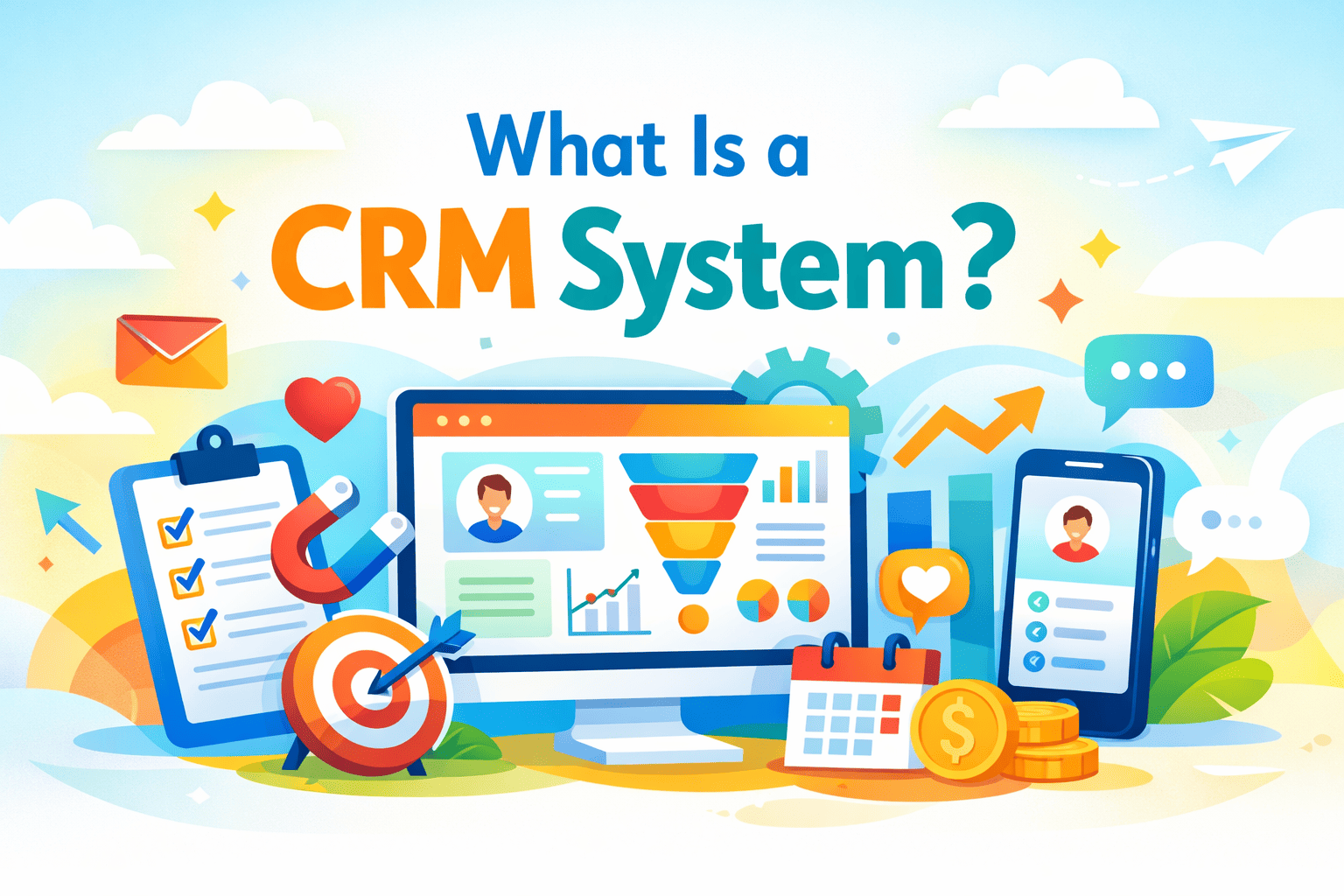
Basically, a CRM system is software that helps businesses manage their relationships with customers across every touchpoint. It consolidates data, automates communication, tracks behavior, and helps teams make smarter decisions.
The term gets thrown around loosely. Some people mean a simple contact list. Others mean a full-scale marketing automation suite with AI-driven segmentation. Both qualify, but the capability gap between them is enormous.
For iGaming operators specifically, a casino CRM needs to go well beyond storing email addresses. It has to process real-time behavioral data, trigger personalized messages at exactly the right moment, manage tiered loyalty structures, and comply with responsible gaming requirements, often all at once.
The Main Types of CRM Systems
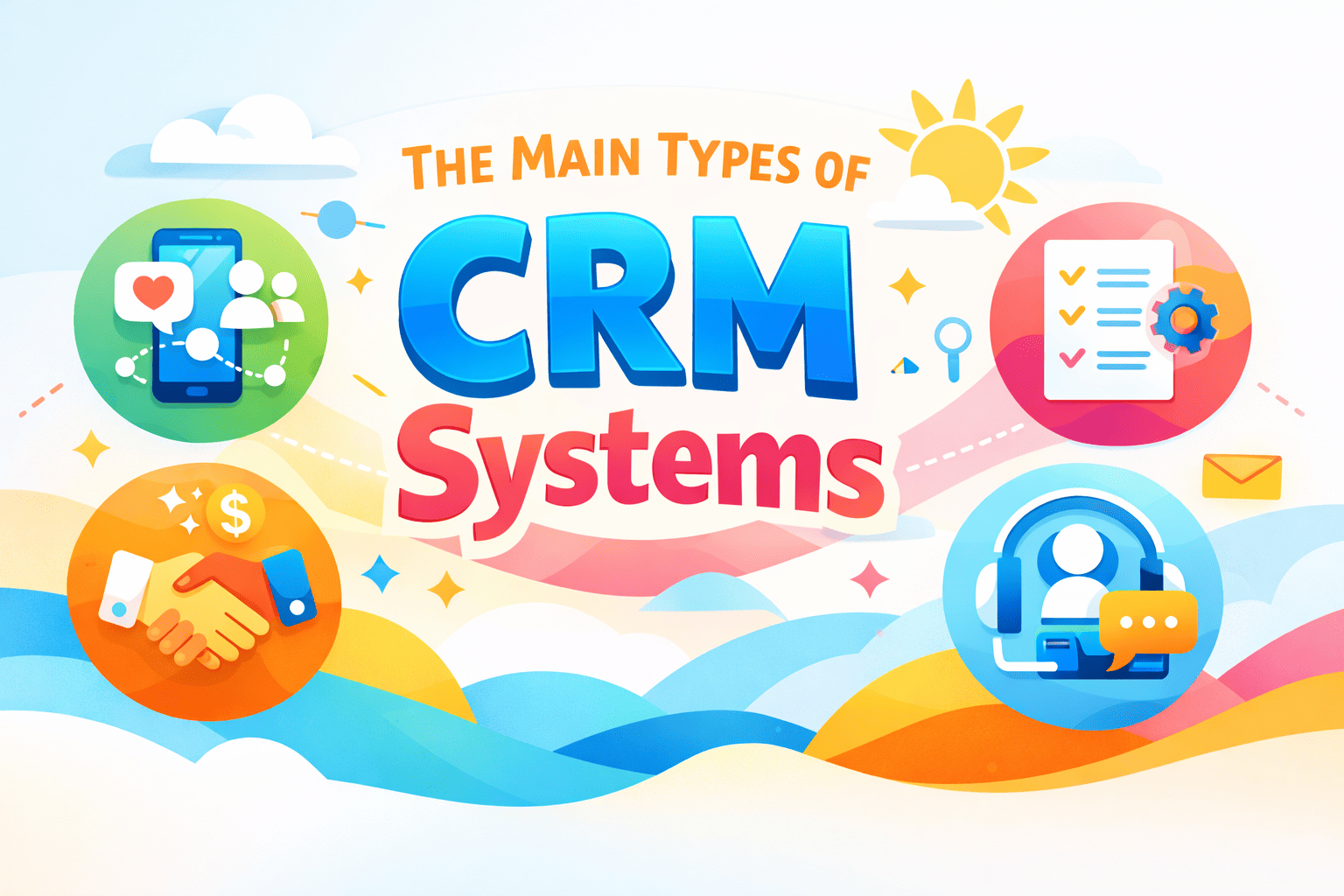
Not every CRM is built for the same job. Before picking one, it helps to know the categories.
Operational CRM
Operational CRMs focus on automating the day-to-day stuff: sales pipelines, customer service workflows, and marketing campaigns. For iGaming, this translates to automating player outreach, managing support tickets, and running scheduled promotions.
Analytical CRM
These systems are built around data. An analytical CRM crunches player behavior, segments audiences, and surfaces insights about who's churning, who's spending, and who's ready for an upsell. Think of it as your business intelligence layer.
Collaborative CRM
Collaborative CRMs focus on sharing customer information across departments - support, marketing, product - so everyone works from the same picture. In iGaming, this matters when a VIP player contacts support and the agent instantly sees their full history.
{{cta-banner}}
Strategic CRM
This is the long game. Strategic CRM systems help operators align their customer management philosophy with business goals over months and years, not just individual campaigns.
Unified CRM (The One to Know About)
Increasingly, the best online casino CRM platforms combine all four functions into one system. Real-time data feeds into automated workflows, which feed into personalized player experiences, which generate new data. It's a loop, and when it works, player retention improves measurably.
Core features every iGaming CRM should have
Feature lists vary wildly between platforms. Here's the baseline any serious casino CRM needs to clear.
| Feature | Why it matters |
|---|---|
| Data Real-time player segmentation |
Lets you target by behavior, not just demographics — so campaigns reach the right players at the right moment. |
| Automation Automated campaign triggers |
Sends messages when they're relevant, not when it's convenient. Timing is everything in retention. |
| Loyalty Loyalty and rewards management |
Drives repeat engagement through structured incentives — tiers, points, and perks that give players a reason to return. |
| Gamification Gamification mechanics |
Points, missions, leaderboards — keeps players engaged between sessions and builds habitual play patterns. |
| AI AI-driven personalization |
Tailors offers to individual player preferences at scale, based on behavioral history rather than broad segment rules. |
| Compliance Responsible gaming tools |
Monitors behavior and applies limits where needed. An ethical and regulatory requirement in most markets. |
| Delivery Multi-channel delivery |
Email, SMS, push, in-app — meets players where they are, not where it's easiest for you to reach them. |
| Analytics Analytics and reporting |
Tracks what's working so you can do more of it. Decisions without data are guesses. |
| Testing A/B testing |
Lets you test messages, offers, and timing before committing. Gut feeling isn't a retention strategy. |
| Tech API integrations |
Connects to your game providers, payment systems, and third-party tools without months of custom development. |
The platforms that check all ten boxes tend to produce significantly better retention outcomes than those doing five or six things well.
How AI Is Changing CRM for iGaming
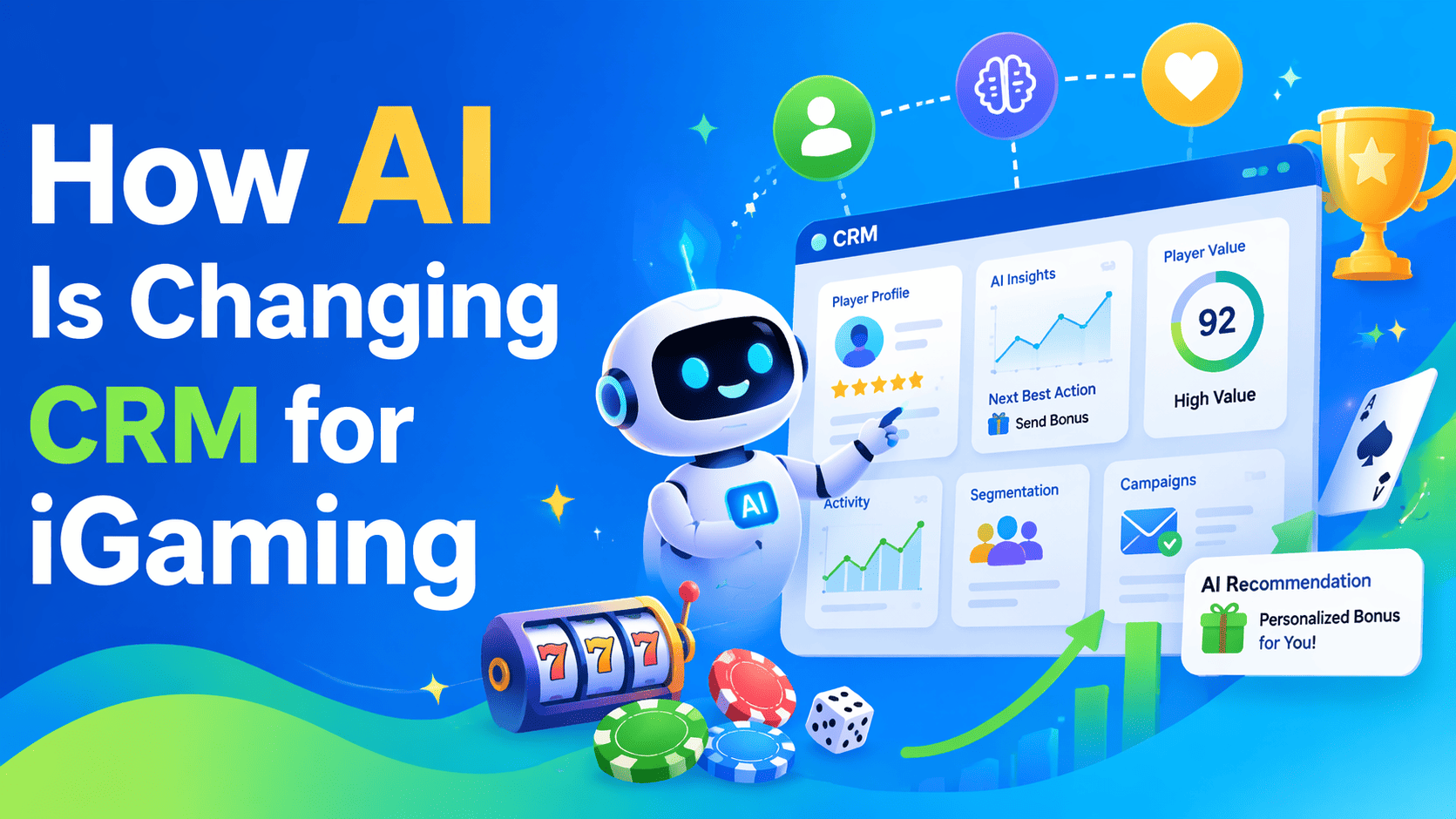
Artificial intelligence in CRM isn't a future concept as it’s already running inside the best platforms and doing things that rule-based systems simply can't match.
The biggest shift is in personalization. Old-school CRM personalization meant putting a player's first name in a subject line. AI-powered personalization means predicting which game a player is most likely to open next Thursday afternoon, based on 90 days of behavioral history, and sending them a relevant offer two hours before that window opens.
There's also churn prediction. AI models can flag players who show early withdrawal signals like reduced session frequency, shorter play durations, and lower deposit amounts before those players actually leave. That gives operators a window to intervene with a targeted campaign.
For iGaming specifically, AI systems also help with responsible gaming compliance. They can detect patterns that suggest problematic behavior and automatically apply limits or trigger support outreach, which matters both ethically and regulatorily.
Gamification: More Than Points on a Scoreboard
.png)
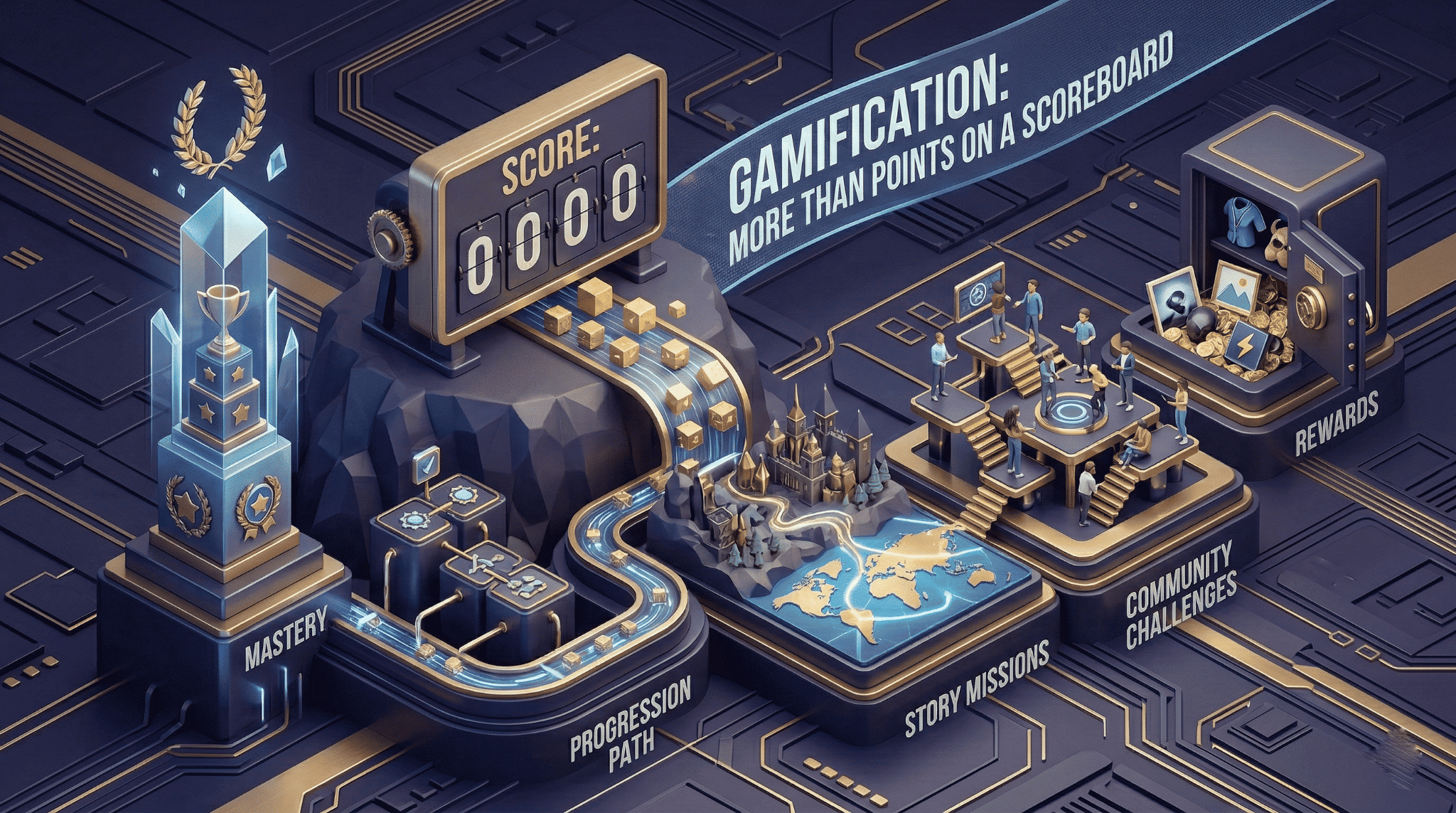
Gamification in CRM is one of those terms that sounds trendy but represents something genuinely useful when implemented well. It's the practice of applying game mechanics like missions, badges, leaderboards, progress bars, and level systems to non-game contexts like loyalty programs.
In iGaming, gamification layers on top of the CRM to make the loyalty experience itself engaging. Players are completing daily challenges, climbing weekly leaderboards, and unlocking new tiers.
Gamified loyalty programs generate higher engagement rates than traditional point-and-redeem systems. Players check in more often, explore more games, and stay active longer between deposit cycles.
The key is meaningful progression. A badge that does nothing isn't gamification. It's decoration. The best iGaming CRM platforms tie gamification mechanics to real rewards, actual unlocks, and visible status within the player community.
8 Signs Your Current CRM Isn't Cutting It
%20(1)%20(2).png)
Sometimes you don't realize how much your CRM is holding you back until you see what a better one can do. Here are eight red flags:
- Your campaigns are one-size-fits-all. If every player gets the same bonus email, you're leaving retention on the table.
- You're reacting to churn, not predicting it. By the time a player stops depositing, it's often already too late.
- Your data lives in multiple systems that don't talk to each other. Disconnected data means disconnected experiences.
- You can't trigger messages based on real-time behavior. If your CRM can't send a message when a player hits a specific milestone right now, it's too slow.
- Your loyalty program has one tier or a static structure. Flat programs don't create the aspirational pull that keeps players engaged.
- You have no gamification layer. Players can earn points anywhere. Missions and progression systems are harder to replicate.
- Reporting is manual or delayed. If your analytics team is pulling reports by hand, your decisions are always running behind your data.
- You can't A/B test at scale. Gut feeling isn't a strategy. If you can't test, you can't optimize.
Personalization in Loyalty Programs: What Good Looks Like
Personalization is one of the most overused words in marketing. In iGaming CRM, it has a specific meaning: delivering the right offer, to the right player, through the right channel, at the right moment.
That requires four things working together:
- Behavioral data: What has the player actually done? Which games, when, how often, with what budgets?
- Predictive modeling: Based on that history, what is the player likely to do next, and what offer would influence that decision?
- Segmentation: Grouping players into meaningful audiences, not just demographic buckets, so campaigns are relevant to their current state.
- Delivery infrastructure: The ability to push personalized content across email, SMS, push notifications, and in-platform messages without manual effort.
When these four elements connect inside a single platform, personalization stops being a marketing talking point and becomes a measurable retention driver. Businesses with mature personalization capabilities grow revenue much faster than those without.
How to Choose the Right CRM: A Practical Framework
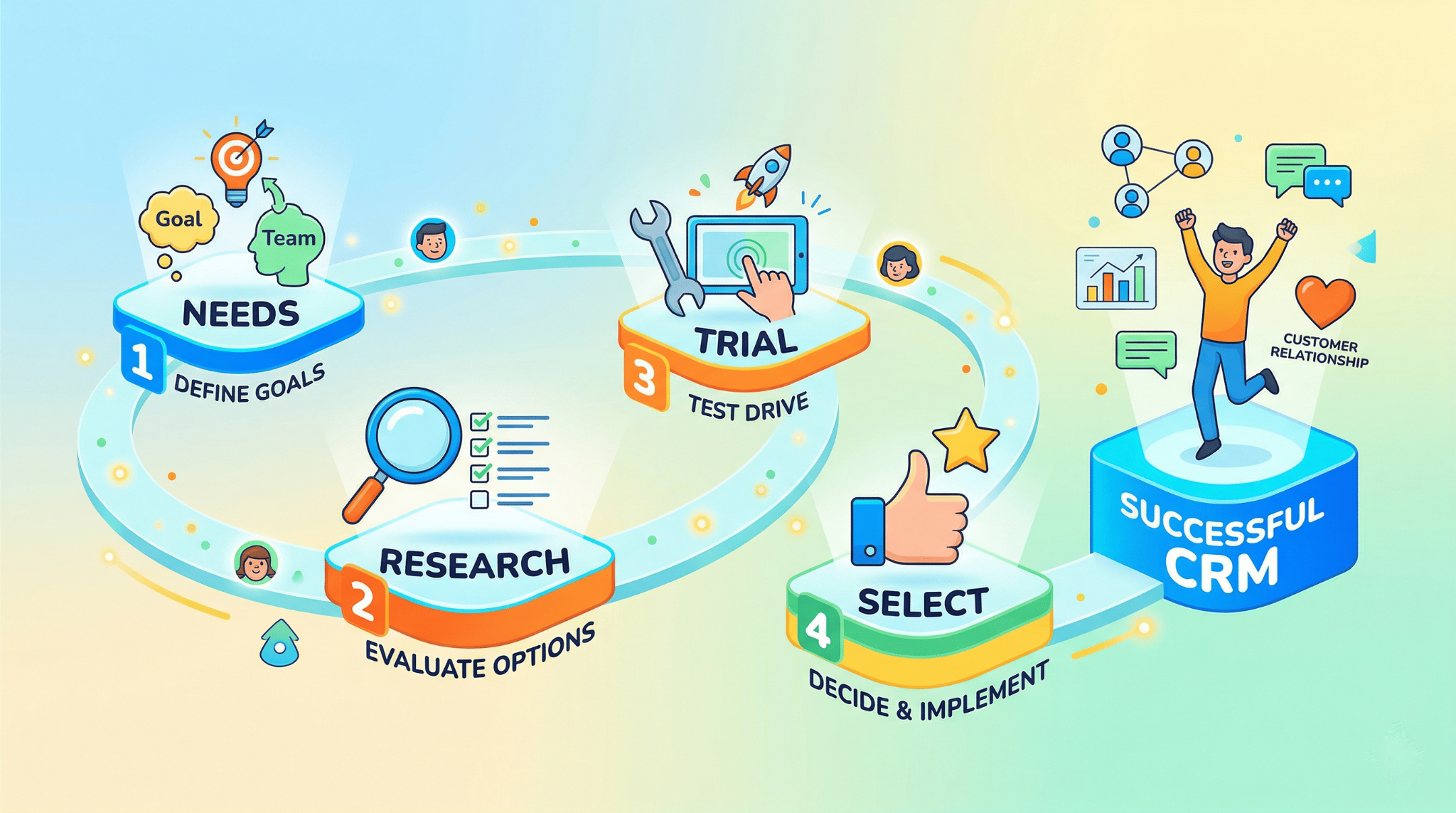
There's no universal "best" CRM - there's only the best one for your specific operation. Here's what to actually weigh:
Scale and Volume
How many active players are you managing? Some platforms perform well at 10,000 users and fall apart at 1,000,000. Ask specifically about processing capacity and latency under peak load.
Integration Depth
Your CRM needs to connect cleanly with your game aggregator, payment provider, KYC system, and analytics stack. A platform that requires months of custom development to integrate isn't "flexible" - it's expensive.
Automation Sophistication
Basic automation sends emails on a schedule. Advanced automation triggers multi-step workflows based on real-time player behavior. Know which level you need and confirm the platform can actually deliver it.
Support and Onboarding
A CRM is only as good as your ability to use it. Look at what implementation support looks like, whether there's a dedicated account team, and how long deployment typically takes.
Compliance Features
iGaming is one of the most heavily regulated industries in the world. Your CRM needs built-in responsible gaming tools, data privacy controls, and the ability to adapt to market-specific regulations without custom development every time.
How Smartico.ai Approaches CRM for iGaming
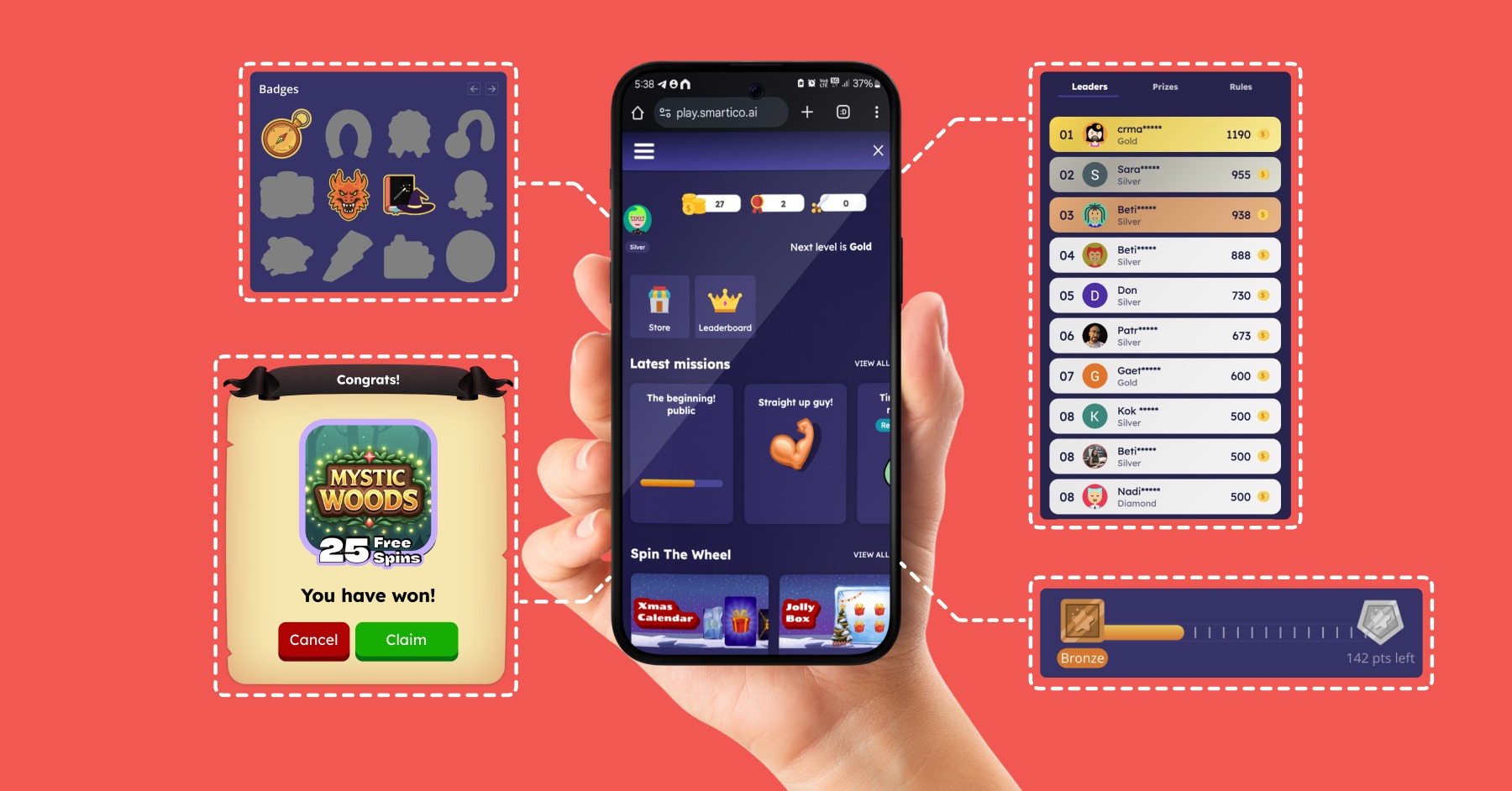
Smartico.ai was built specifically for the iGaming space, which changes what the platform can do. Founded in 2019, it's the first unified gamification and CRM automation platform built from the ground up for online casino operators.
What that means in practice: gamification mechanics, CRM automation, loyalty management, AI-driven personalization, and player retention tools all live in one system. There's no stitching together three separate platforms and hoping the data syncs correctly.
The real-time engine is the part operators tend to notice first. Smartico processes player behavior as it happens and triggers personalized responses - a mission unlocked mid-session, a reward offered right after a significant achievement, a reactivation message sent at the exact moment a player's engagement pattern suggests they're drifting.
The gamification layer goes well beyond basic points. Operators can build missions, tournaments, leaderboards, progress bars, and multi-tier loyalty structures that give players visible goals and reasons to return. And because everything sits in one platform, the data from those gamification interactions feeds directly back into the CRM automation, improving segmentation, sharpening personalization, and tightening the loop over time.
For operators evaluating an online casino CRM platform that handles personalization, automation, and gamification without requiring a systems integration project, booking a demo of Smartico.ai is a practical next step.
{{cta-banner}}
FAQ: CRM Systems for iGaming
What's the difference between a CRM system and a player management system?
A player management system typically handles account administration - KYC, deposits, withdrawals, game history. A CRM system handles the relationship side: segmentation, campaigns, loyalty, and retention. In practice, many operators run both, with the CRM pulling behavioral data from the player management system.
How long does it take to implement a casino CRM?
It depends heavily on the platform and your existing infrastructure. Simple implementations with good API documentation can go live in a few weeks. Complex builds with legacy systems involved can stretch to several months. Implementation timelines are one of the most important things to verify before signing a contract.
Can a small iGaming operator benefit from CRM automation?
Yes, sometimes more than larger operators, because smaller teams can't manually manage player communication at scale. Automation lets a lean team maintain consistent, personalized outreach to thousands of players without additional headcount.
What is unified gamification CRM?
It's a platform where gamification mechanics (missions, points, leaderboards) and CRM automation (segmentation, campaigns, personalization) operate from the same data layer. The benefit is that gamification events inform CRM triggers, and CRM data shapes gamification experiences, without manual syncing between systems.
How does AI personalization work in an iGaming CRM?
AI models analyze each player's behavioral history to predict preferences and likely actions. The CRM uses those predictions to determine which offer to send, through which channel, and at what time, for each individual player. It's different from rules-based personalization, which requires manual segmentation logic that can't adapt in real time.
What responsible gaming features should a CRM include?
At minimum: deposit limit management, session time tracking, behavioral anomaly detection, self-exclusion tools, and the ability to trigger support outreach automatically when risk indicators appear. Responsible gaming is both an ethical obligation and a regulatory requirement in most jurisdictions.
Final Words
A CRM system is only as useful as the decisions it enables. For iGaming operators, the right platform pulls together player data, personalized messaging, loyalty management, and gamification into something that works in real time, not in yesterday's batch report.
The operators who get retention right aren't necessarily running the best games, but the best relationships. And a well-chosen, well-implemented CRM is how those relationships get built.
Ready to see what a unified gamification CRM looks like in practice? Book your free, in-depth demo of Smatico now to find out what your retention strategy is missing.
Did you find this article helpful? If so, consider sharing it with other industry professionals such as yourself.