


Micro-Segmentation Through Behavioral Pattern Recognition: Beyond Demographics to Deep Personalization
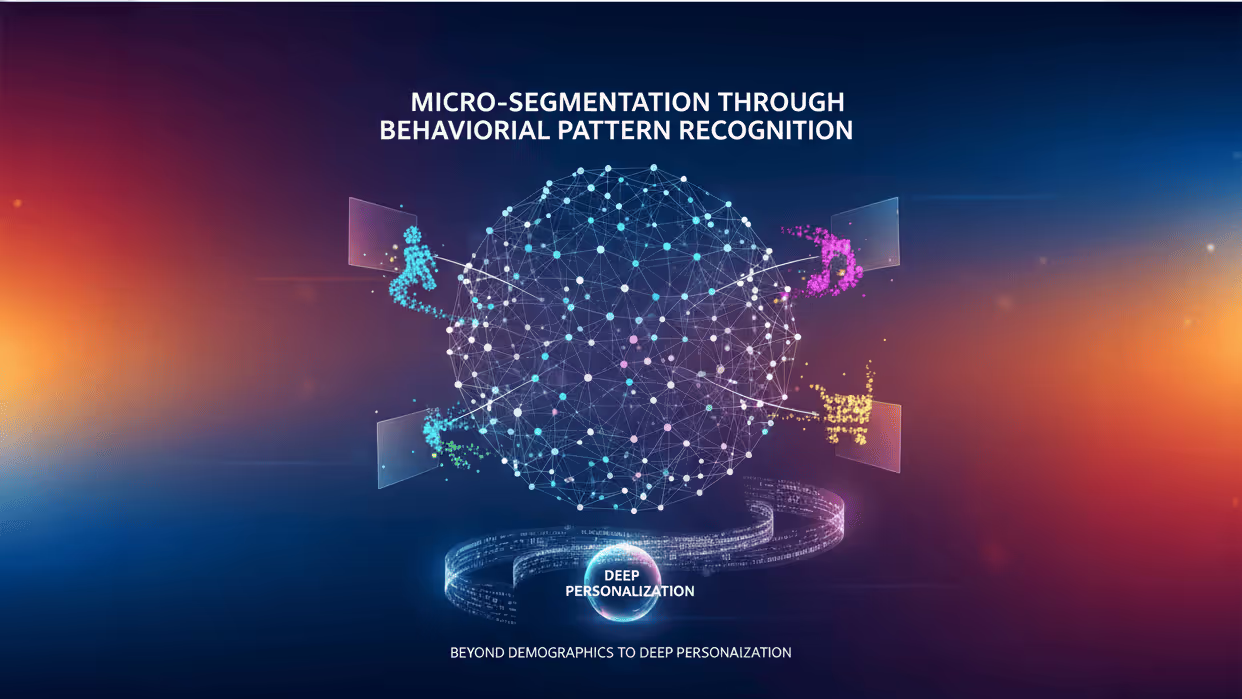
Remember when marketing teams thought they had it all figured out? Put everyone in neat little boxes based on age, location, and income. Call it a day. Those days are gone.
The truth is, two people sitting in the same city, earning the same salary, and born in the same year can be completely different customers. One might check their phone every five minutes and respond to push notifications instantly. The other might ignore every message until they're ready to browse on their own terms. Traditional segmentation groups them together. Behavioral pattern recognition sees them for who they really are.
What Makes Behavioral Pattern Recognition Different

Demographics tell you who someone is on paper. Behavioral patterns tell you what they actually do. And what people do matters more than what category they fall into.
Modern CRM systems now use machine learning to process customer data and identify patterns that humans would miss. Instead of creating five or six broad customer groups, these systems can identify hundreds or even thousands of micro-segments based on actual behavior.
{{cta-banner}}
Think about it this way. A player who logs in every Tuesday evening, plays for exactly 45 minutes, and always tries new slot games is showing you a pattern. Another player who only shows up on weekends, stays for hours, and sticks to the same three games is showing you something completely different. They might both be 35-year-old professionals living in the same neighborhood, but they need different approaches.
The Problem With Traditional Segmentation

Most marketing teams still segment customers using basic demographics like company size, industry, or job title, then wonder why their campaigns fall flat. The issue isn't that demographic data is useless, but that it only scratches the surface.
Traditional segmentation asks "who are they?" Behavioral segmentation asks "how do they behave?" That difference changes everything.
A standard CRM might create segments like:
- High-value customers
- Mid-tier customers
- Low-value customers
- Inactive customers
That's four groups. Maybe eight if you get creative. But in 2025, smart customer segmentation means creating thousands of micro-segments that update in real time based on live behavior.
How Machine Learning Powers Micro-Segmentation

The magic happens through machine learning algorithms that continuously analyze customer data. These systems can identify complex relationships between variables, predict future behavior based on historical data, and adapt as new information comes in.
Here's what that looks like in practice:
Pattern Recognition: The system spots trends you'd never catch manually. Like noticing that players who try a free-to-play game on their third visit are more likely to make their first deposit within the next week.
Real-Time Updates: Customer behaviors change. Someone who was highly active last month might be drifting away this month. Machine learning systems update segments automatically based on live signals, not just past behavior.
Predictive Capabilities: The system doesn't just tell you what happened. It tells you what's likely to happen next. Which customers might churn. Who's ready for an upgrade. When someone's most likely to respond to an offer.
Building Micro-Segments That Actually Work
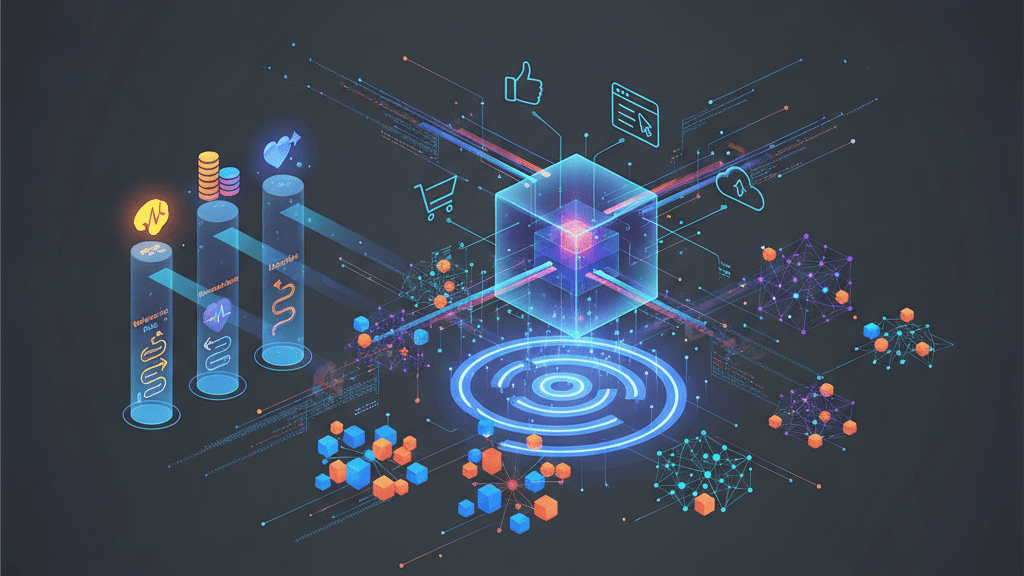
Creating effective micro-segments requires more than just throwing data at an algorithm. You need the right approach.
Start with wide data collection from various sources including CRM systems, website analytics, social media, and purchase history. But here's the catch: more data isn't always better. You need relevant data.
The Types of Data That Matter
Behavioral Data: What actions do customers take? How often do they engage? What features do they use?
Transactional Data: Purchase patterns, deposit amounts, game preferences, bonus usage.
Engagement Data: Email opens, click-through rates, time spent on platform, session frequency.
Lifecycle Data: Where is the customer in their journey? New player? Regular? At risk of churning?
Instead of simply segmenting by age or location, micro-segmentation might identify a segment like 'frequent users aged 20-35 with high churn risk, identified by decreased engagement, who previously showed interest in specific game types'.
Real-World Applications in iGaming

The iGaming industry offers a perfect example of behavioral pattern recognition in action. Machine learning now refines marketing campaigns by analyzing player behavior in real time, sending personalized messages that boost conversion rates.
Here’s an example: A player just completed their tenth session. They've shown interest in progressive jackpot slots but haven't tried the new tournament feature. The system recognizes this pattern instantly. Instead of sending a generic "Check out our tournaments!" message that goes to everyone, it sends a personalized invitation highlighting progressive jackpot tournaments specifically.
Same platform. Same feature. Completely different approach based on behavioral patterns.
Advanced CRM systems can now identify when players are likely to churn and trigger personalized re-engagement actions before they leave. That's the difference between reacting to problems and preventing them.
The Shift From Broad Groups to Individual Understanding

Traditional segmentation divides customers into broad groups based on generalized characteristics like demographics and past purchasing behavior. Micro-segmentation takes into account numerous factors from social media activity to transaction history and customer reviews.
This granular approach creates segments that might include only a few dozen customers. And that's okay. Better to send the perfect message to 30 people than send a mediocre message to 3,000.
Some companies worry about creating too many segments. "How do we manage thousands of micro-segments?" The answer: you don't manage them manually. The system does it for you through automation.
Common Challenges and How to Handle Them
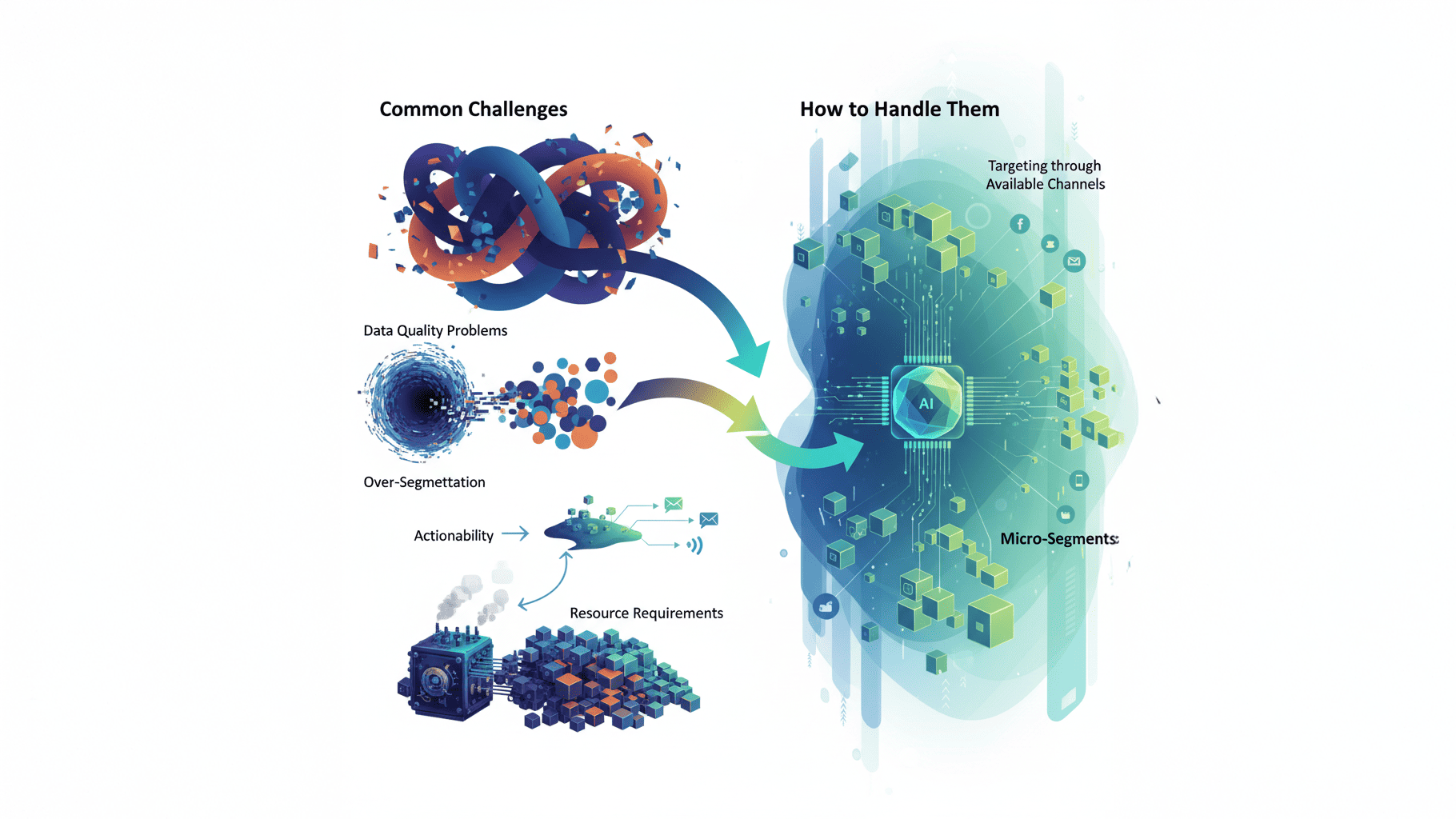
Creating micro-segments sounds great in theory. In practice, companies run into issues.
- Data Quality Problems: The process requires high-quality, consistent data across all sources. Garbage in, garbage out. If your data collection is messy, your segments will be messy too.
- Over-Segmentation: You can create too many tiny segments that aren't statistically meaningful. The goal is precision, not just quantity.
- Actionability: What's the point of identifying a perfect micro-segment if you can't effectively target them through your available channels?
- Resource Requirements: Processing large volumes of customer data in real time requires robust AI tools and infrastructure.
Why Hyper-Personalization Matters More Than Ever

Research shows that 69% of businesses are increasing their investment in personalization efforts. That's a fundamental shift in how companies interact with customers.
Customers have now come to expect personalization. When you show them you understand their behavior, they respond. When you treat them like just another name on a list, they tune out.
The companies winning right now aren't the ones with the biggest budgets. They're the ones using behavioral insights to create experiences that feel tailor-made for each customer.
Moving Beyond Basic RFM Analysis

Many CRM systems still rely heavily on RFM analysis: Recency, Frequency, Monetary value. It's a solid foundation. But it's not enough anymore.
While RFM analysis offers insights that are straightforward to interpret, deep learning methodologies can capture intricate patterns that RFM might miss. The combination of both approaches often works best.
Think of RFM as the baseline. It tells you what happened. Behavioral pattern recognition tells you why it happened and what's likely to happen next.
Integration Across Multiple Channels
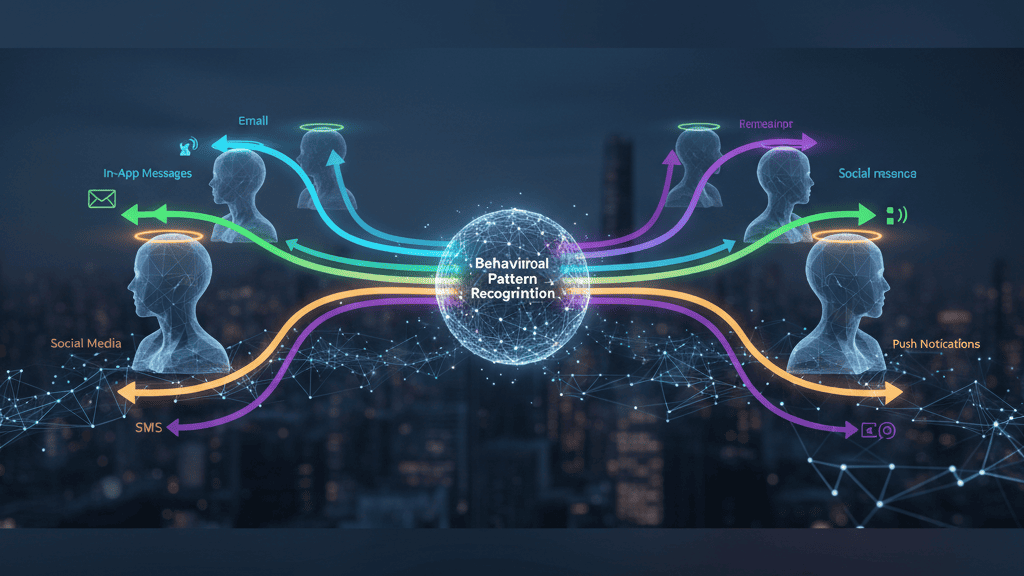
Micro-segmentation only works if you can act on it. Modern CRM systems facilitate behavior-triggered campaigns across all available channels, from email to in-app messages to social media.
The customer doesn't care which channel you're using. They care whether the message resonates with them at that moment. Behavioral pattern recognition helps you figure out not just what to say, but when and where to say it.
The Future of Customer Relationships

In 2025, customer segmentation is no longer a spreadsheet exercise, but a living system that powers the entire customer experience. Dynamic. Predictive. Connected to how, when, and why customers engage.
The shift from static demographics to dynamic behavior patterns represents a completely different way of thinking about customers.
Instead of asking "What category does this person fit into?" you ask "What is this person doing right now, and what does that tell us about what they need?"
Making It Work: Practical Steps
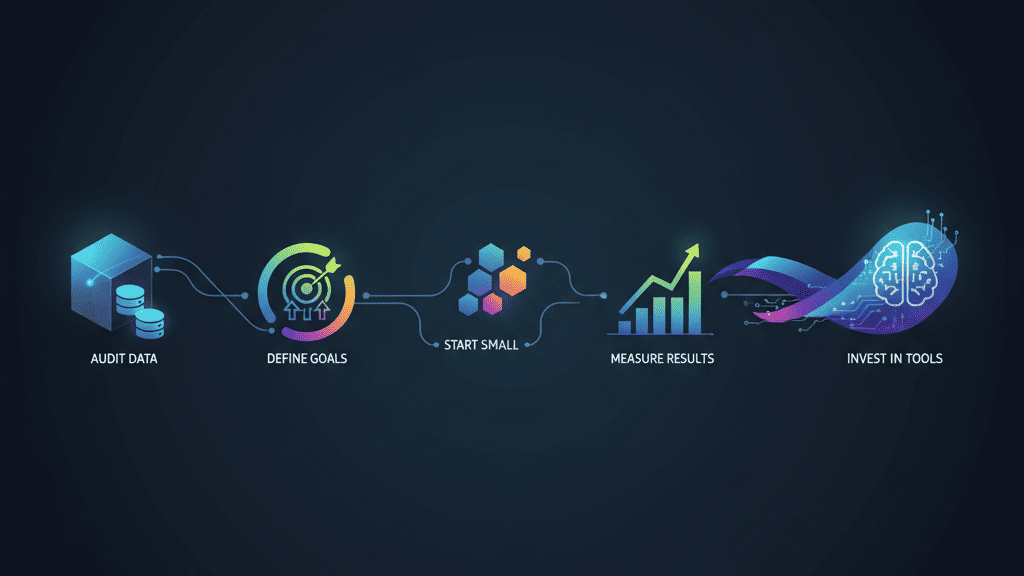
Want to move beyond basic segmentation? Start here:
- Audit Your Data: What customer data are you collecting? Is it consistent? Are there gaps?
- Define Clear Goals: What do you want to achieve with micro-segmentation? Better retention? Higher conversion? More efficient marketing spend?
- Start Small: Don't try to create a thousand segments on day one. Pick one or two high-value use cases and prove the concept.
- Measure Results: Track whether your micro-segments actually perform better than broad segments. Adjust based on what you learn.
- Invest in the Right Tools: Choose AI-powered segmentation tools that prioritize data security, offer intuitive visualizations, and can scale with your needs.
About Smartico.ai
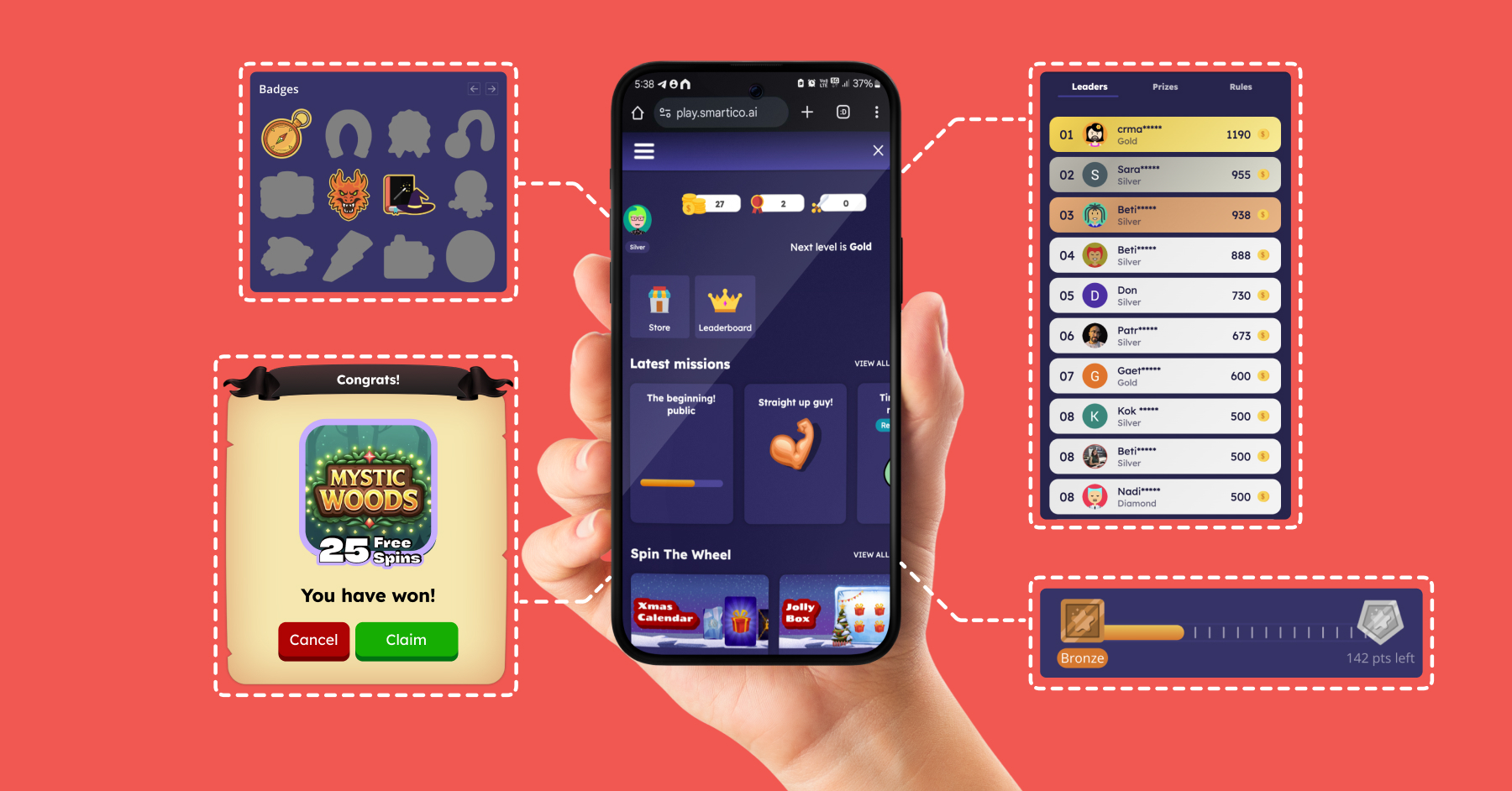
Smartico.ai stands as the first and leading unified Gamification and CRM Automation software designed specifically for the iGaming industry. It combines real-time behavioral pattern recognition with automated workflows that streamline every step of the player journey.
What makes Smartico different is its approach to micro-segmentation. The system uses AI models to analyze player data continuously, identifying patterns and predicting behaviors that help operators deliver the right message at the right moment. From customizable gamification tools to sophisticated bonus engines, everything works together in one unified platform.
The company does more than just provide software. They partner with operators to build CRM expertise within their teams, offering hands-on guidance throughout the relationship. With unlimited brand management, free-to-play mini-games, and AI-driven predictions, Smartico gives operators the tools they need to move beyond basic segmentation into true behavioral personalization.
To get a sense of how Smartico can help you raise revenue like nothing you’ve tried before, book your free, in-depth demo below.
{{cta-banner}}
Frequently Asked Questions
1. How is micro-segmentation different from traditional customer segmentation?
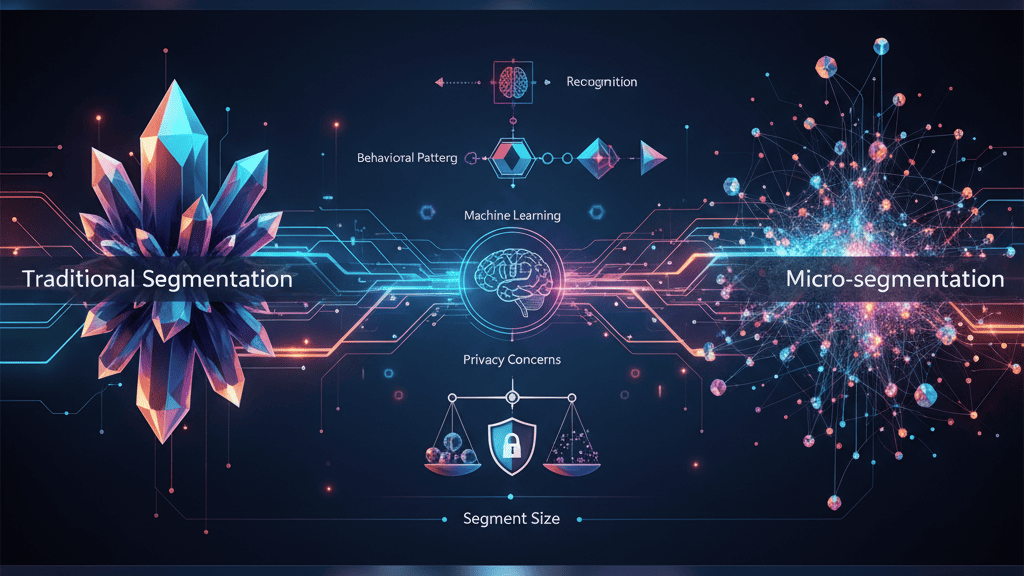
Traditional segmentation creates broad groups based on demographics or basic purchase history. Micro-segmentation creates highly specific segments based on detailed behavioral patterns, engagement data, and real-time actions. Where traditional methods might create 5-10 segments, micro-segmentation can identify hundreds or thousands of precisely targeted groups.
2. Can small businesses benefit from behavioral pattern recognition?
Absolutely. While enterprise companies have more data to work with, small businesses can still use behavioral pattern recognition effectively. The key is starting with your most valuable customer behaviors and building from there. Many modern CRM platforms offer scalable solutions that work for businesses of any size.
3. How does machine learning improve over time with customer data?
Machine learning algorithms continuously learn from new data inputs. As more customers interact with your platform, the system identifies new patterns, refines existing predictions, and adapts to changing behaviors. This means your segmentation gets more accurate the longer you use it.
4. What privacy concerns come with behavioral tracking?
Customer data privacy is critical. Effective micro-segmentation requires clear consent, transparent data policies, and compliance with regulations like GDPR and CCPA. The best CRM systems include built-in compliance tools and encryption to protect customer information while still enabling personalization.
5. How do I know if my micro-segments are too small to be useful?
A micro-segment should be large enough to justify targeted action but specific enough to deliver meaningful personalization. If you're creating segments with only 2-3 customers, you're probably over-segmenting. Focus on segments that share meaningful behavioral patterns and can be effectively reached through your available channels.
Conclusion
Demographics tell you who customers are. Behaviors tell you who they really are. The difference between those two things is the difference between generic marketing that gets ignored and personalized experiences that actually connect.
Micro-segmentation through behavioral pattern recognition is already here, and the companies embracing it are building stronger customer relationships, improving retention, and seeing better results from every marketing effort. The ones still relying on broad demographic groups are falling behind.