


Micro-Segmentation Through Behavioral Pattern Recognition: Beyond Demographics to Deep Personalization

You walk into your favorite coffee shop and the server already knows you want a double shot oat milk latte with extra foam. That is pattern recognition at work. Now imagine if every business could read customer behavior patterns with that same precision, but across thousands of touchpoints and millions of interactions. That's exactly what micro-segmentation through behavioral pattern recognition delivers.
Here’s what you need to know…
The Death of One-Size-Fits-All Marketing

Traditional customer segmentation has been living on borrowed time. Remember when dividing customers by age and location felt revolutionary? Those days are over. Modern customers don't fit into neat little boxes labeled "millennials" or "high earners." They're complex, unpredictable, and frankly, they deserve better than generic marketing messages.
Behavioral pattern recognition changes everything. Instead of assuming all 35-year-old women want the same product, it watches what Sarah actually does, how she browses, when she shops, what makes her abandon her cart, and which emails make her click. The result is micro-segments so precise they feel like personal conversations.
What Makes Behavioral Micro-Segmentation Different

Traditional segmentation is like using a sledgehammer to crack an egg. It's clunky, imprecise, and wastes a lot of potential. Behavioral pattern recognition, on the other hand, is surgical. It identifies micro-segments based on actual customer actions rather than demographic assumptions.
Here's what sets it apart:
- Real-time adaptability: Segments update as customer behavior changes, not once a quarter during strategy meetings
- Predictive power: Identifies future actions based on behavioral patterns, not past purchases
- Granular precision: Creates segments as specific as "mobile users who browse electronics late at night and respond to urgency messaging"
The Science Behind Behavioral Pattern Recognition
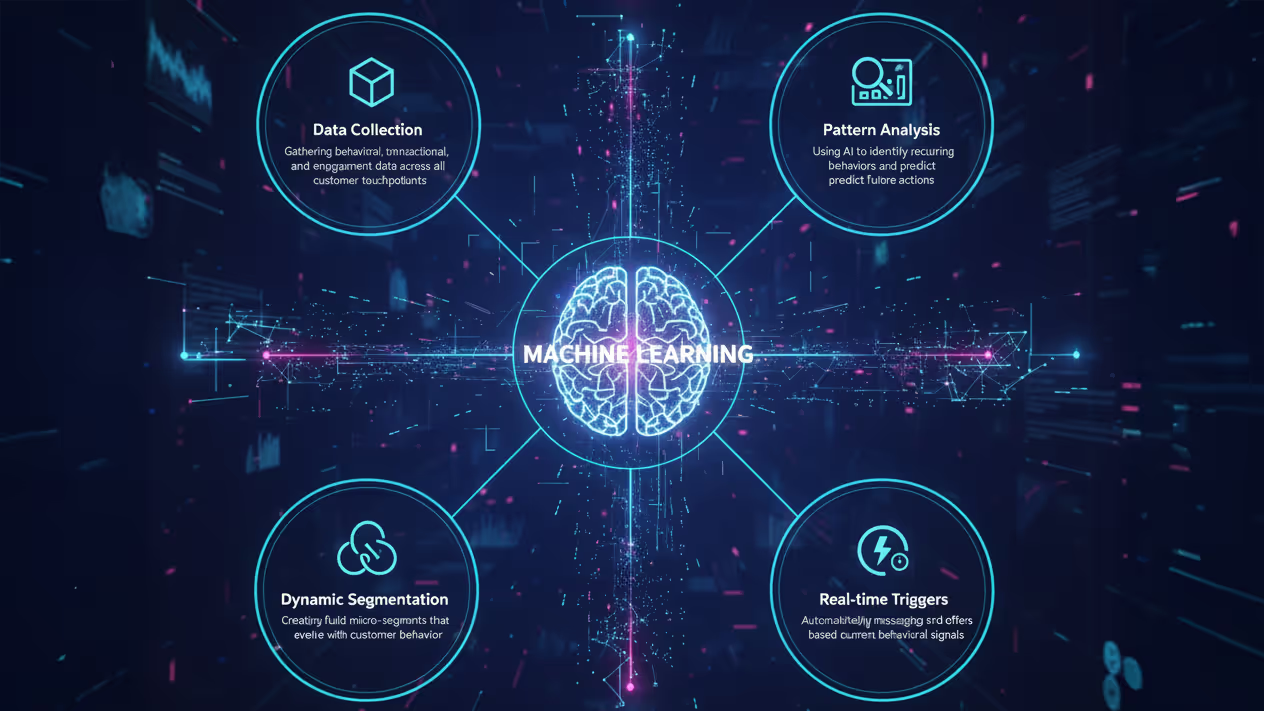
Machine learning algorithms analyze vast datasets to identify subtle behavioral patterns humans would never spot. These systems process everything from click-through rates and browsing duration to purchase timing and response patterns.
{{cta-banner}}
The technology works by:
Data Collection: Gathering behavioral, transactional, and engagement data across all customer touchpoints
Pattern Analysis: Using AI to identify recurring behaviors and predict future actions
Dynamic Segmentation: Creating fluid micro-segments that evolve with customer behavior
Real-time Triggers: Automatically adjusting messaging and offers based on current behavioral signals
Beyond Demographics: The New Segmentation Variables
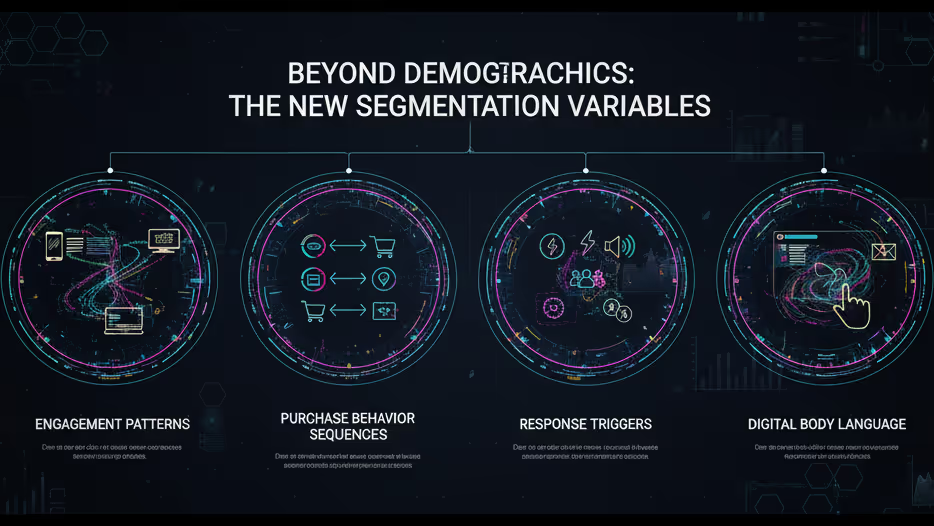
Forget age, income, and zip code. The future of segmentation lies in behavioral variables that actually predict customer actions:
1. Engagement Patterns
How customers interact with your brand reveals more than any survey. Do they prefer mobile or desktop? Do they browse extensively or make quick decisions? These patterns create actionable micro-segments.
2. Purchase Behavior Sequences
The path to purchase tells a story. Some customers research extensively, others buy impulsively. Some return repeatedly, others vanish after one transaction. These behavioral sequences become the foundation for predictive micro-segments.
3. Response Triggers
What makes customers take action? Scarcity messaging? Social proof? Discount offers? Behavioral pattern recognition identifies these triggers and creates segments based on response likelihood.
4. Digital Body Language
Click patterns, scroll behavior, and time spent on specific pages create a digital fingerprint more unique than any demographic profile.
The CRM Revolution: From Broadcast to Conversation
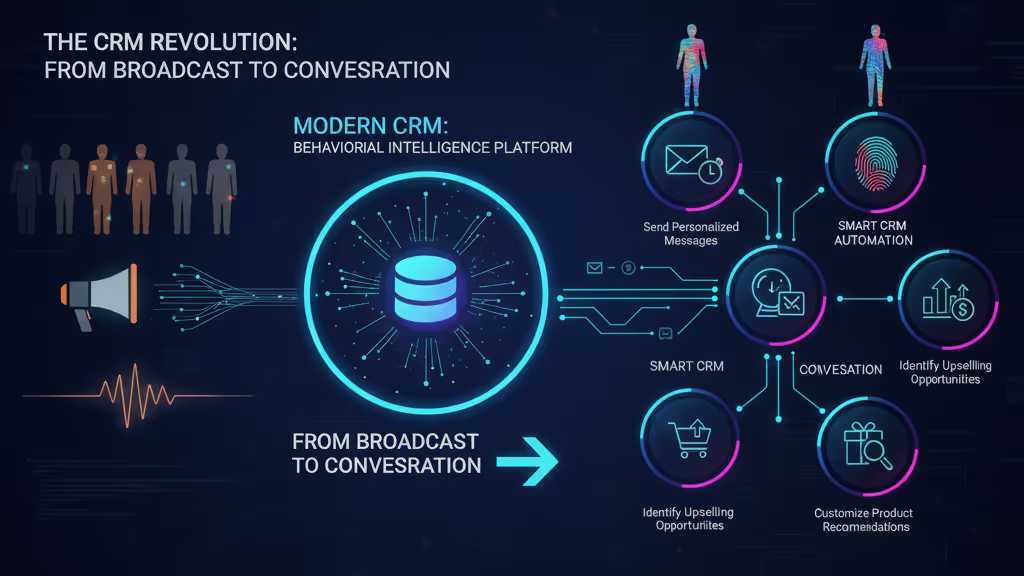
Modern CRM systems are transforming from simple contact databases into behavioral intelligence platforms. These systems continuously learn from customer interactions, building increasingly sophisticated behavioral profiles.
Smart CRM automation uses behavioral triggers to:
- Send personalized messages at optimal engagement moments
- Predict churn before customers start disengaging
- Identify upselling opportunities based on behavioral patterns
- Customize product recommendations in real-time
Real-World Applications That Actually Work
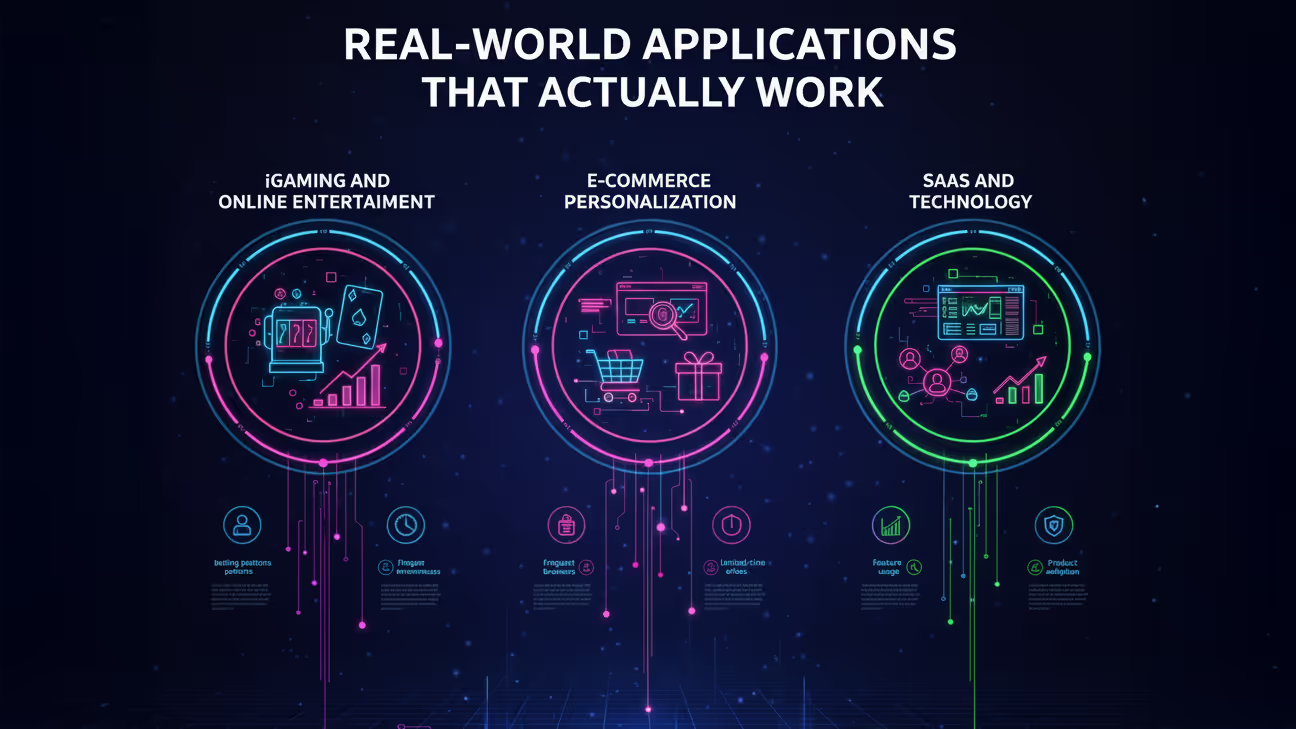
iGaming and Online Entertainment
The iGaming industry leads in behavioral micro-segmentation, using real-time data to create hyper-personalized experiences. Platforms analyze betting patterns, game preferences, and engagement behavior to deliver targeted offers that increase player lifetime value.
E-commerce Personalization
Online retailers use behavioral pattern recognition to create micro-segments like "frequent browsers who need social proof" or "price-sensitive customers who respond to limited-time offers." These granular segments drive conversion rates up significantly.
SaaS and Technology
Software companies segment users based on feature usage patterns, identifying power users, at-risk accounts, and expansion opportunities. This behavioral approach increases retention and drives product adoption.
The Technology Stack That Makes It Possible

Building effective behavioral micro-segmentation requires the right technology foundation:
- Customer Data Platforms (CDPs): Unify data from all customer touchpoints into comprehensive behavioral profiles
- Machine Learning Engines: Process vast datasets to identify patterns and predict future behavior
- Real-time Analytics: Enable immediate response to behavioral triggers and pattern changes
- Automated Campaign Management: Execute personalized messaging based on micro-segment membership
Measuring Success: Beyond Open Rates
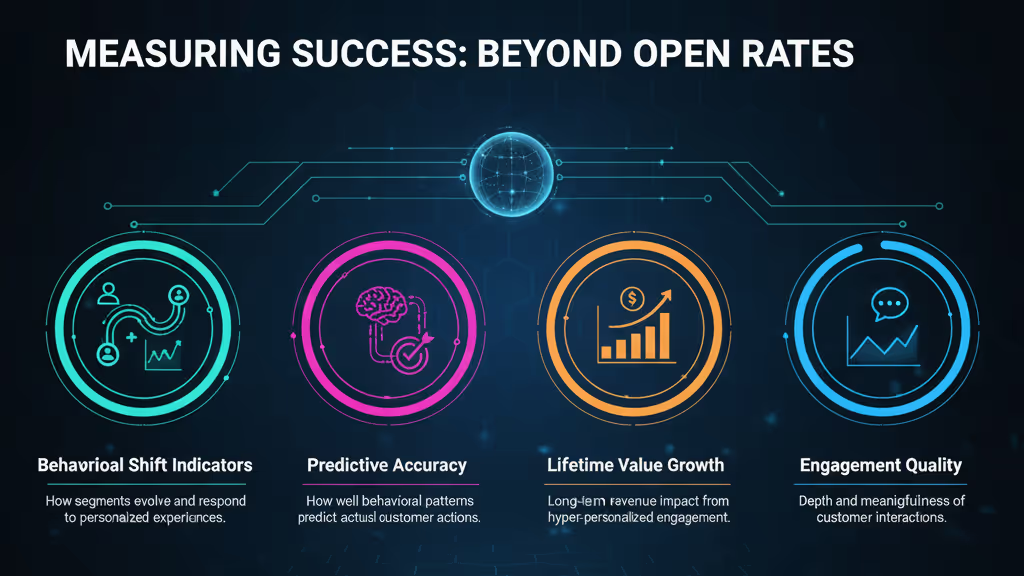
Traditional marketing metrics don't capture the full impact of behavioral micro-segmentation. Advanced measurement focuses on:
- Behavioral Shift Indicators: How segments evolve and respond to personalized experiences
- Predictive Accuracy: How well behavioral patterns predict actual customer actions
- Lifetime Value Growth: Long-term revenue impact from hyper-personalized engagement
- Engagement Quality: Depth and meaningfulness of customer interactions
The Future of Hyper-Personalized Customer Experiences
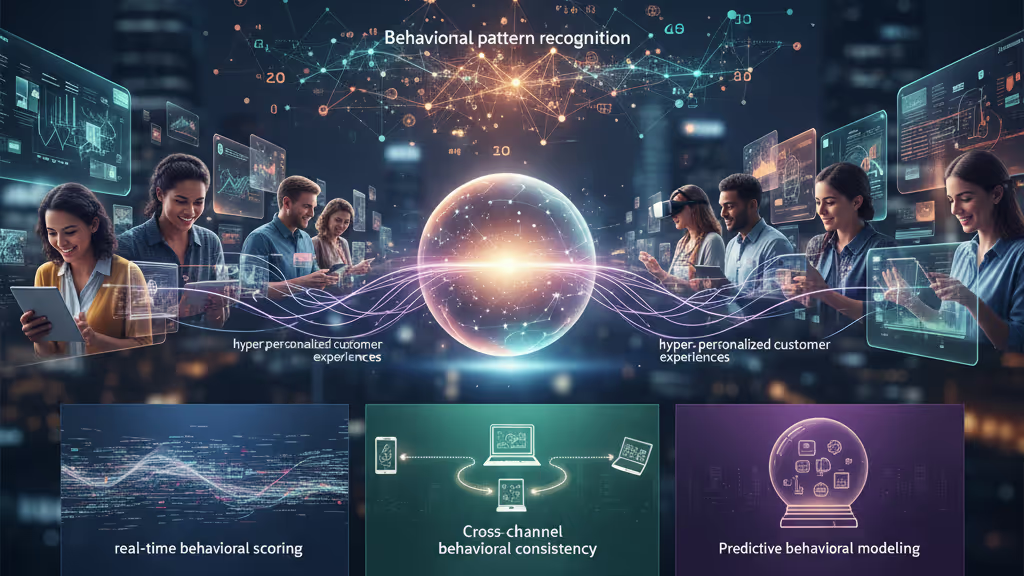
We're moving toward a world where every customer interaction feels individually crafted. Behavioral pattern recognition makes this scalable by automating the intelligence that was once limited to small businesses with deep customer relationships.
The next frontier includes:
- Real-time behavioral scoring that adjusts messaging mid-session
- Cross-channel behavioral consistency that follows customers across devices
- Predictive behavioral modeling that anticipates needs before customers express them
Implementation Strategies That Actually Work

Starting with behavioral micro-segmentation doesn't require a complete technology overhaul. Smart businesses begin with:
Start Small, Think Big
Begin with high-value customer segments and prove the concept before expanding. Focus on behaviors that directly correlate with revenue outcomes.
Quality Over Quantity
Better to have five precise behavioral micro-segments than fifty demographic ones. Depth beats breadth when it comes to personalization impact.
Test and Learn Continuously
Behavioral patterns evolve. Build testing into your segmentation strategy to ensure micro-segments remain accurate and actionable.
Privacy-First Approach
Behavioral data is powerful, but it must be collected and used ethically. Transparent data practices build trust and ensure sustainable personalization strategies.
Smartico.ai: Pioneering Unified Gamification and CRM Automation
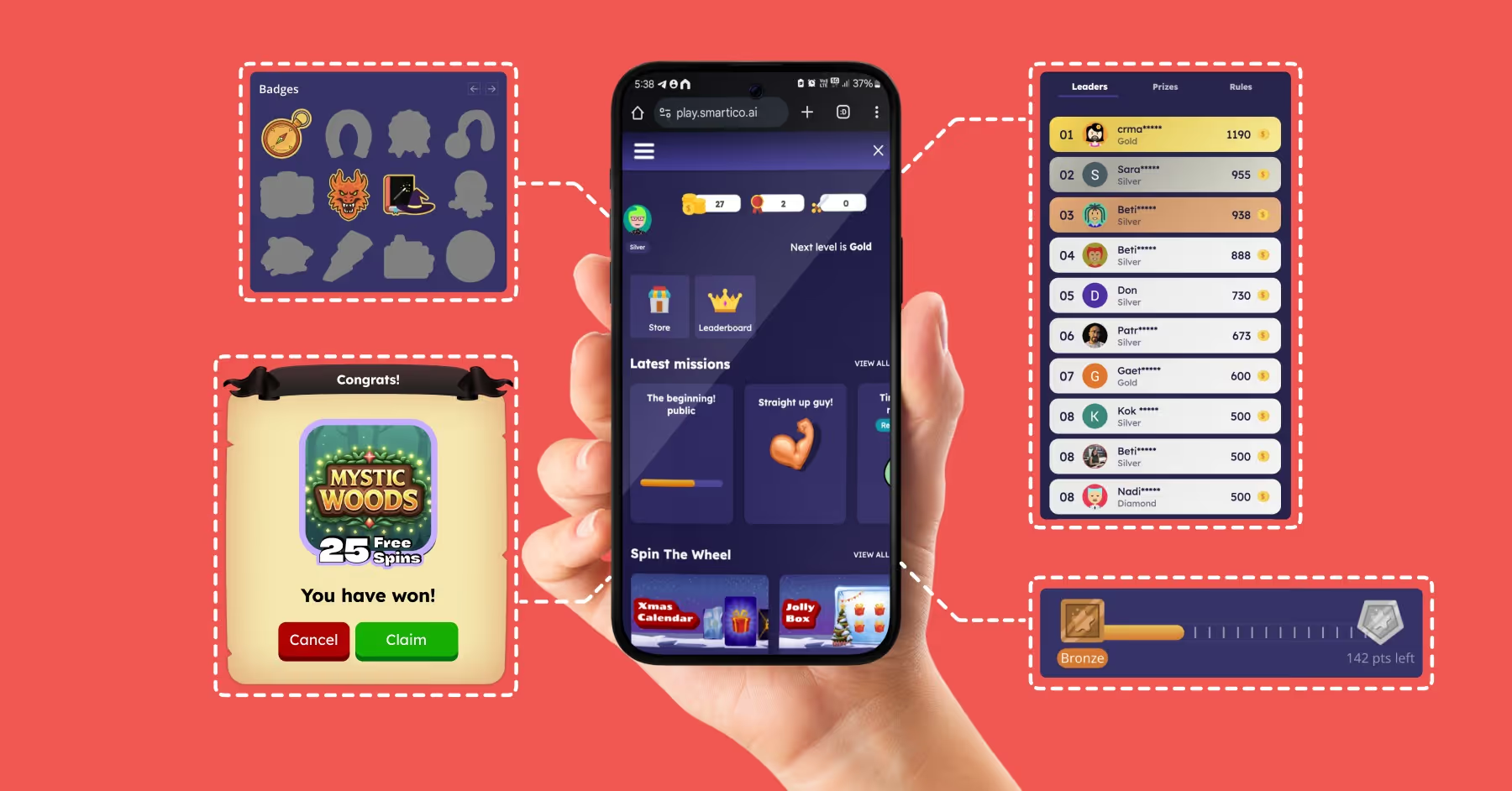
Smartico.ai stands as the first and leading unified Gamification/CRM Automation software in history, perfectly positioned to deliver the behavioral micro-segmentation capabilities that modern businesses demand. Founded in 2018 and headquartered in Sofia, Bulgaria, Smartico.ai has revolutionized how companies approach customer engagement through sophisticated behavioral pattern recognition.
The platform combines advanced AI-powered micro-segmentation with gamification elements, creating hyper-personalized customer experiences that drive engagement and retention. Smartico.ai's technology analyzes real-time behavioral data to identify profitable customer micro-segments and automatically optimizes engagement strategies for each group, delivering the precise personalization that today's customers expect.
To understand how Smartico can help your business raise revenue like nothing you’ve tried before, book your free, in-depth demo below now.
{{cta-banner}}
Conclusion
Behavioral pattern recognition represents the evolution from guessing what customers want to knowing what they'll do next. Companies that master micro-segmentation through behavioral analysis completely transform how they understand and serve their customers. The technology exists, the data is available, and the competitive advantage is waiting for those bold enough to move beyond demographics to deep personalization.
Are you one of them?
Frequently Asked Questions
How accurate is behavioral pattern recognition compared to traditional segmentation?
Behavioral pattern recognition typically achieves prediction accuracy rates that are significantly higher than demographic segmentation, with many implementations seeing improvements in engagement rates and conversion predictions.
What data privacy considerations apply to behavioral micro-segmentation?
Behavioral data collection must comply with regulations like GDPR and CCPA. Successful implementation requires transparent data practices, customer consent management, and secure data handling protocols.
How quickly can businesses see results from implementing behavioral micro-segmentation?
Most businesses begin seeing improved engagement metrics within the first month of implementation, with more significant revenue impacts typically visible within 3-6 months as behavioral models become more sophisticated.
What's the difference between micro-segmentation and hyper-personalization?
Micro-segmentation creates small, precise customer groups based on behavioral patterns, while hyper-personalization uses those segments to deliver individually crafted experiences at scale.
Can small businesses benefit from behavioral pattern recognition?
While enterprise-level implementations offer the most comprehensive capabilities, smaller businesses can start with basic behavioral tracking and simple automation tools to begin realizing personalization benefits.