


Micro-Segmentation vs Traditional Segmentation: Advanced Targeting Techniques

Think about the last time you received a promotional email that felt like it was actually meant for you. Not just your age group or your zip code, but you. That's micro-segmentation at work, and it's changing how businesses think about customer retention costs.
Most companies are still throwing money at the customer acquisition wall, even though keeping existing customers costs somewhere between 5 to 25 times less. The math is pretty straightforward when you break it down. Acquiring a new customer means paying for ads, sales team salaries, trade show booths, and all those fancy marketing campaigns just for the chance to be noticed. Retention, on the other hand, focuses on people who already know your brand and have opened their wallets before.
But here's where it gets interesting. Traditional segmentation techniques, while useful, often miss the mark because they're painting with too broad a brush. Micro-segmentation takes those big demographic buckets and breaks them down into hyper-focused groups based on actual behavior, not just assumptions about what someone might want based on where they live or how old they are.
What Traditional Segmentation Gets Wrong
Traditional segmentation divides your customer base into groups using basic criteria like age, gender, location, and income. It's the marketing equivalent of putting everyone who wears size 10 shoes into the same room and assuming they'll all want the same style.
This approach works okay when you're just starting out or dealing with truly massive audiences where personalization feels impossible. You can identify broad patterns and create campaigns that speak to general preferences. The problem shows up when you realize that two people in the same demographic segment might have completely different motivations, preferences, and behaviors.
{{cta-banner}}
A traditional segment might group all 30-year-old males in a specific city together. Micro-segmentation would split that group further based on browsing history, past purchase patterns, engagement frequency, how they interact with your app, and even their intent signals like abandoned carts or repeated product views. The difference between these approaches directly impacts your retention cost and overall profitability.
How Micro-Segmentation Changes the Game
Micro-segmentation digs into the behavioral patterns that actually predict what someone will do next. Instead of making educated guesses based on demographics, you're working with real data about how customers interact with your brand across multiple touchpoints.
The approach has three characteristics that separate it from traditional methods. First, it focuses on granularity by targeting niche customer groups with genuinely shared characteristics rather than broad audiences. Second, it prioritizes specificity by tailoring campaigns based on deep insights into preferences and behaviors. Third, it enables dynamic adjustments so segments evolve in real time as customer behaviors shift.
This level of precision matters because it directly reduces customer retention costs. When you send relevant offers to people who actually want them, you spend less money on campaigns that fall flat. You're not wasting resources trying to convince someone to buy something they'll never care about.
The Economics of Getting Retention Right

Let's talk about what poor retention actually costs. Losing a customer now costs businesses around $29, which has tripled from about $9 a decade ago. The cost of acquiring new customers has increased by 222% in recent years, making retention more valuable than ever.
But the flip side looks even better. A 5% increase in customer retention rates can boost profits anywhere from 25% to 95%, depending on your industry and cost structure. That's not a typo. Keeping just a few more customers each quarter can fundamentally change your bottom line.
The reason comes down to customer lifetime value. Existing customers spend more per transaction, try new products more readily, and require less hand-holding through the sales process. They've already decided to trust you once, which means converting them again takes far less effort than starting from scratch with someone new.
Building Micro-Segments That Actually Work

Creating effective micro-segments requires more than just access to customer data. You need to identify the right criteria that actually predict behavior and drive engagement.
Start with lifecycle segmentation, which categorizes customers by where they are in their journey with your brand. Someone who just signed up needs different messaging than someone who's been inactive for 30 days or a loyal customer celebrating their third year. Each stage requires specific approaches that match the customer's current relationship with your business.
Behavioral segmentation looks at actual actions rather than assumed preferences. This includes purchase frequency, average transaction values, browsing patterns, feature usage, and engagement levels. These signals tell you what customers are actually doing, not just what you think they might do based on their demographic profile.
RFM analysis breaks down customers by recency, frequency, and monetary value. This approach identifies your most valuable customers, spots patterns in purchasing behavior, and helps you allocate retention resources where they'll have the biggest impact. You can focus your efforts on customers who are moderately likely to convert while leaving those most likely to buy alone to complete their purchase naturally.
Intent-based segmentation captures signals like cart abandonment, repeated product views, and browsing patterns to understand buying intent. These micro-segments let you target customers based on where they are in their decision-making process, sending the right message at exactly the right moment.
Advanced Targeting in Practice
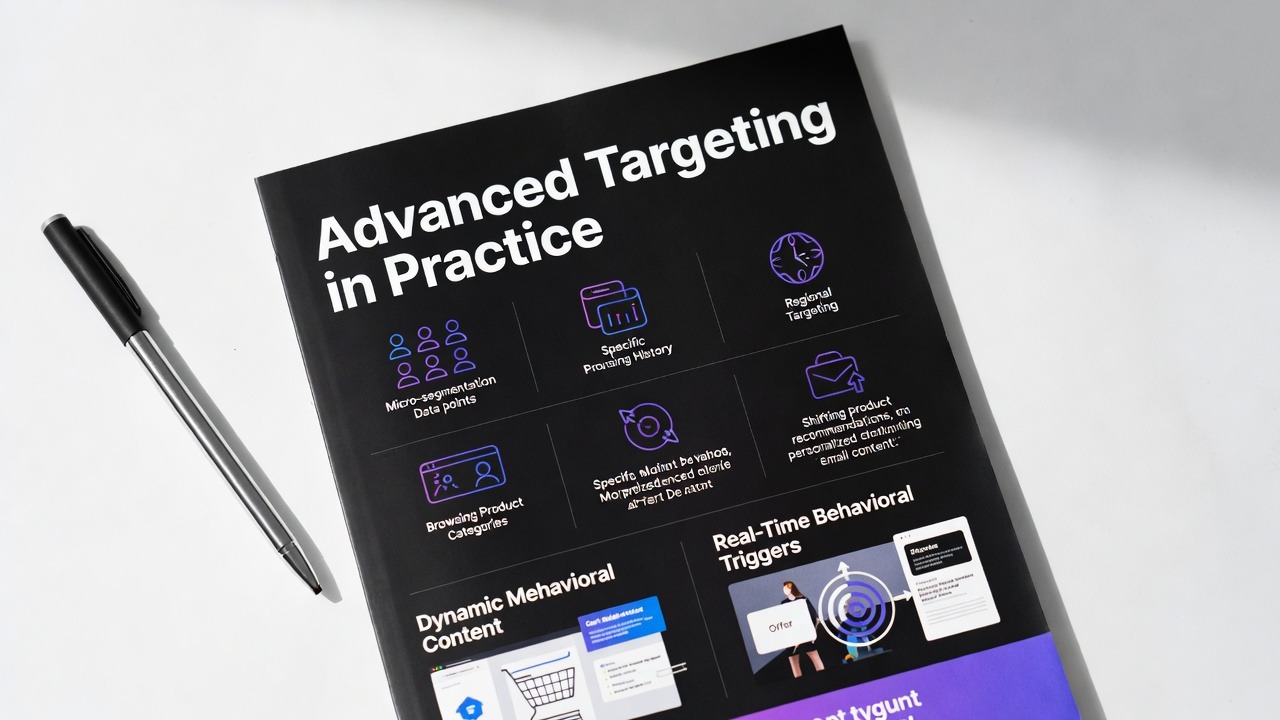
Micro-segmentation becomes powerful when you combine multiple data points to create highly specific audience groups. Instead of targeting all customers who made a purchase last month, you might target customers who purchased a specific product category, browsed certain pages at least three times, and live in a particular region.
Real-time behavioral triggers take this further by responding to customer actions as they happen. When someone abandons their cart midway through checkout, you can immediately display a targeted offer or send a personalized message addressing potential concerns. This immediacy increases conversion rates because you're engaging customers while they're still actively considering a decision.
Dynamic content adapts based on user behavior, creating personalized experiences that feel natural rather than creepy. Product recommendations change based on browsing history. Email content shifts based on past purchases and engagement patterns. Landing pages adjust to match the specific interests demonstrated by each visitor.
The key is using segmentation to understand customer motivations and preferences at an individual level. Different customer groups have different expectations, pain points, and triggers. Adapting your approach to match these nuances results in better engagement, lower churn, and improved retention economics.
Measuring What Matters

You can't improve retention costs without tracking the right metrics. Customer acquisition cost tells you how much you're spending to bring in new business. Customer retention cost measures what you're investing in keeping existing customers happy. The ratio between these two numbers reveals whether your business model is sustainable or burning cash.
Calculate retention cost by dividing total retention-related expenses by the number of active customers. This includes customer service costs, loyalty program expenses, retention campaigns, and communication efforts. Compare this to your acquisition cost to understand where you're getting the best return on investment.
Success rates matter too. New customer conversion typically runs between 5% and 20%, while existing customers convert at 60% to 70%. These differences compound over time, making retention increasingly valuable as your customer base grows.
How Smartico.ai Enables Micro-Segmentation at Scale
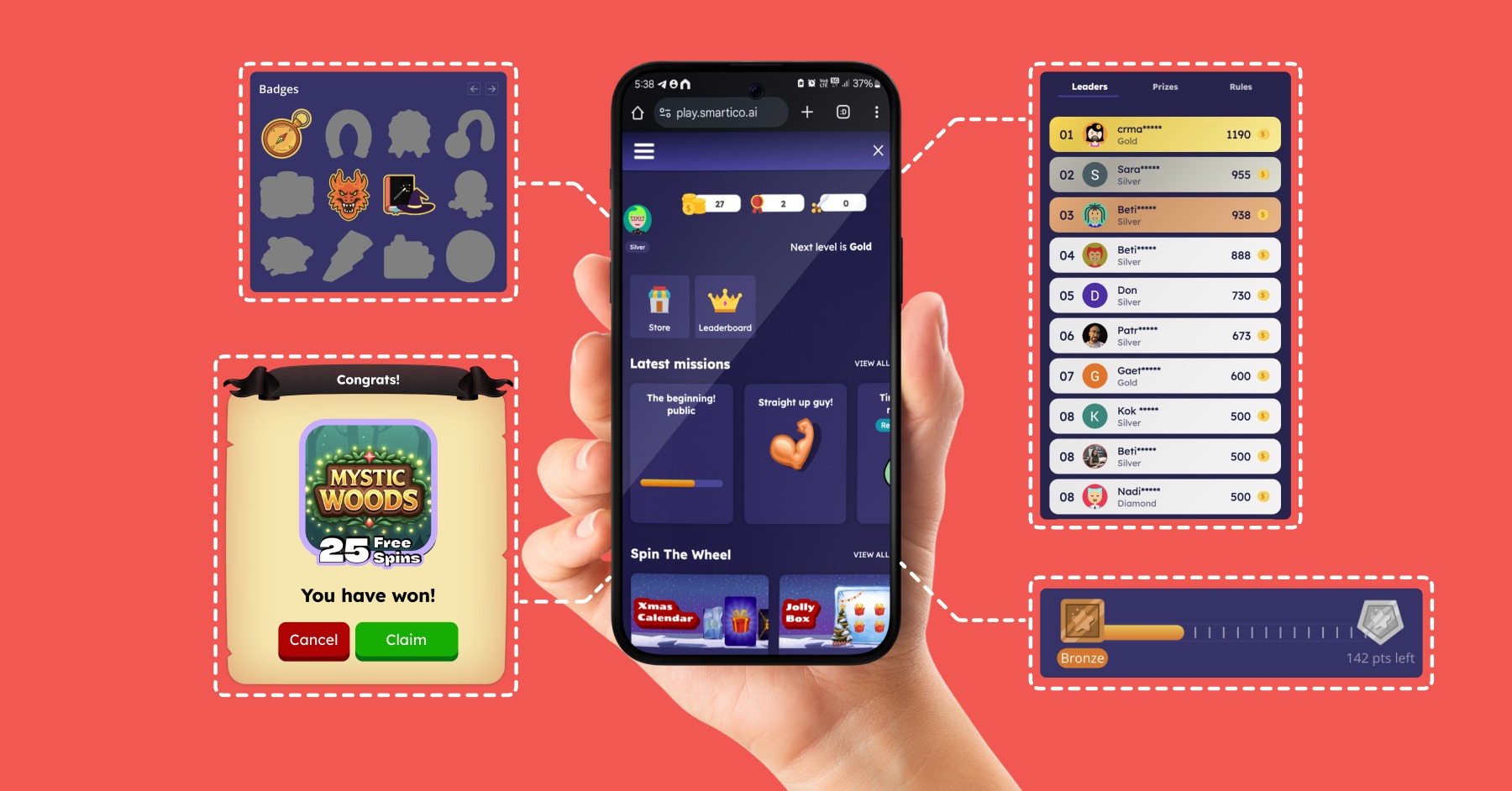
Smartico.ai brings together CRM automation and advanced segmentation capabilities in a unified platform specifically designed for businesses that need sophisticated targeting . The platform combines real-time behavioral tracking with dynamic segmentation tools that adapt as customer behaviors evolve.
What sets Smartico.ai apart is its AI Agents feature, which provides instant data analysis and insights without requiring technical expertise. The Transactions Agent can analyze customer data, generate reports, and identify patterns in plain language. You ask questions about customer behavior, and get actionable answers immediately without switching between multiple tools or waiting for analyst reports.
The software also handles lifecycle segmentation, RFM analysis, and intent-based targeting through its automated workflows. You can create highly specific audience segments based on any combination of behavioral, demographic, or transactional data, then deploy personalized campaigns that respond to real-time triggers. This approach reduces retention costs by ensuring every marketing dollar targets customers most likely to engage.
To find out how Smartico can help your business specifically raise retention and loyalty levels like nothing you’ve tried before, book your free, in-depth demo below.
{{cta-banner}}
FAQ
1. What is the main difference between micro-segmentation and traditional segmentation?
Traditional segmentation groups customers by basic demographics like age, location, and income. Micro-segmentation digs deeper into behavioral patterns, purchase history, engagement levels, and intent signals to create highly specific audience groups. This precision enables more relevant targeting and lower retention costs.
2. How much does customer retention actually cost compared to acquisition?
Retaining existing customers costs 5 to 25 times less than acquiring new ones, depending on your industry. Retention costs typically range from $100 to $500 per customer annually, while acquisition can run $700 to $1,300 or higher. The exact ratio depends on your business model and customer lifecycle value.
3. Can micro-segmentation work for small businesses with limited data?
Yes, but you need to start with the data you have and build from there. Begin with simple behavioral segments like purchase recency and frequency, then add complexity as you gather more customer interaction data. Even basic micro-segmentation outperforms broad demographic targeting when done correctly.
4. What tools do you need to implement micro-segmentation effectively?
You need a CRM platform that tracks customer behaviors across multiple touchpoints, analytics tools to identify patterns and trends, automation capabilities to trigger personalized messages in real time, and reporting dashboards to measure segment performance. Modern platforms integrate these features into unified systems rather than requiring separate tools.
5. How often should micro-segments be updated?
The best micro-segmentation strategies use dynamic segments that update automatically as customer behaviors change. Static segments quickly become outdated as customers move through different lifecycle stages, change preferences, or modify their engagement patterns. Real-time updates ensure your targeting remains relevant and your retention costs stay low.
6. What impact does better segmentation have on profit margins?
Improving customer retention by just 5% through better segmentation can increase profits by 25% to 95%. This happens because existing customers spend more per transaction, require less marketing investment, and stay with your brand longer. The compounding effect of better retention dramatically improves lifetime customer value and overall profitability.
Ready to reduce your customer retention costs with advanced micro-segmentation? Request a demo of Smartico.ai and discover how unified CRM automation and AI-powered targeting can transform your retention strategy.
Did you find this article helpful? If so, consider sharing it with other industry professionals such as yourself.
Ready to use Smartico?
Join hundreds of businesses worldwide engaging players with Smartico.